Keep Guests Longer: Henna and Interactive Booths for Community Events
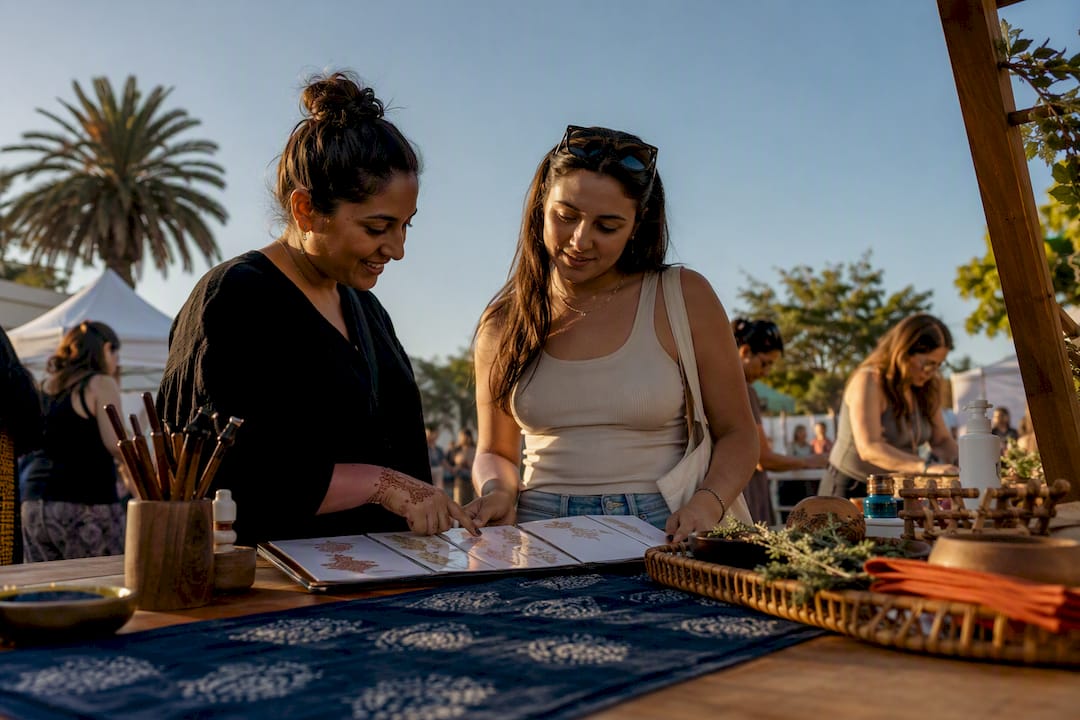
The highest-impact formula for community event entertainment is interactive booths (henna, maker stations, craft tables) plus rotating amusements running all day, anchored by one or two headline shows scheduled at peak arrival times. This combination keeps attendees on-site longer than a single main-stage act because there’s always something happening, whether guests arrive at noon or 4 p.m. Start planning by reading the shortlist below, then move into the categorized idea list and the 90-day timeline.
TL;DR:
Interactive booths can significantly increase dwell time and social sharing, especially when paired with rotating amusements and headline shows.
DIY carnival booths are budget-friendly for small events, while hiring vendors offers higher quality but at a greater cost and logistical complexity.
Scheduling two headline acts at different times and rotating booths midway through the day maximizes attendee engagement and movement.
Permits for public gatherings, vendor, and food service are mandatory and vary by city, requiring early planning and safety precautions like handwashing stations and patch testing.
Community-focused activities such as craft stations and group performances foster a sense of connection that passive entertainment alone cannot achieve.
Table of Contents
What Types of Entertainment Work Best for Community Events?
Not every event needs a headline act, and not every budget can afford one. The right mix depends on your crowd size, your space, and how long you want people to stay.
Headline acts — magic shows, circus performers, live bands — give your event a focal point people plan their visit around. Fair-entertainment industry guidance recommends running two to three headline shows a day so guests arriving at different times each get a chance to see one. A single 2 p.m. show means anyone who shows up at 4 p.m. missed the whole point of coming.
Interactive booths are where the real dwell time happens. Henna stations, glitter tattoos, pottery wheels, and craft tables give people a reason to stop, sit, and stay fifteen or twenty minutes instead of walking past. They also produce a physical souvenir that people photograph and post, which extends your event’s reach well past the actual day.
Ongoing amusements fill the gaps between scheduled programming. Carnival games, roaming stilt-walkers, petting zoos, and balloon artists keep energy up when nothing “official” is happening on stage. This is the connective tissue that turns a show with dead air into a full afternoon.
A few scaling notes worth knowing before you commit to a format:
DIY carnival booths built from household materials can run on a shoestring budget and still hold a crowd, especially for family events under 300 people.
Hired vendor booths (henna artists, professional face painters, balloon twisters) cost more but need zero training and bring their own supplies and insurance.
Space matters more than budget for throughput: a single henna artist can typically serve 8 to 12 guests per hour, so a 200-person event needs multiple stations or a longer booking window, not just one talented artist working overtime.
Indoor venues favor booths and craft stations; open fields and parks favor stage acts and roaming performers who need room to move.
The mistake most first-time planners make is picking one format and betting the whole event on it. A field of booths with no anchor moment never gives people a reason to gather at once. You need both.
Community Event Ideas by Audience and Occasion
Different crowds respond to different entertainment, and the best community festival entertainment programs mix categories rather than repeating the same format five times. Here’s a working list organized by audience, with a low-cost version and a bigger production version for each.
Family days. A classic midway of carnival booths (ring toss, bean bag toss, cornhole) keeps kids and parents moving between stations. The DIY version uses cardboard boxes, tape, and dollar-store prizes and can be built by volunteers in an afternoon. The upgraded version hires a mobile carnival vendor with inflatable games and a prize wheel. Pair either with an outdoor movie night on a rented screen, a puppet show for younger kids, or a pet adoption day with a local shelter, which reliably pulls foot traffic even at events with modest budgets.
Cultural and heritage events. A food festival built around a specific cultural cuisine, paired with live traditional music or dance performances, draws people who wouldn’t necessarily attend a generic street fair. The DIY version leans on community members and local restaurants donating dishes and performing informally. The production version brings in a touring cultural dance troupe and a professional sound system. Craft demonstrations (weaving, calligraphy, traditional cooking methods) and heritage storytelling sessions round this category out and work particularly well for cultural community events that want an educational layer alongside entertainment.
Fundraising events. A charity fun run or walk gives people a physical activity tied directly to the cause, and it’s cheap to organize with volunteer timers and a simple registration table. A benefit concert featuring local musicians raises the production bar but can generate real donation revenue through ticket sales or suggested entry fees. Talent shows tied to a donation drive are a middle-ground option: low setup cost, high community participation, and a built-in reason for people to show up and cheer for someone they know.
Outdoor and seasonal events. Porchfest style events, where musicians perform from front porches along a neighborhood route, cost almost nothing beyond promotion and coordination, and they turn an entire street into a self-guided festival. Park concerts follow a similar low-cost model. For something genuinely unusual, look at site-specific performances staged on unconventional platforms. A floating circus that recently toured Chicago’s Chinatown staged acrobatics, puppetry, and live music from a river barge, proof that unusual venues create the kind of shared memory a standard stage show rarely matches. Seasonal festivals timed to harvest, solstice, or local traditions also fit here, layering entertainment on top of a date people already treat as special.
Senior and accessibility-focused programming. Daytime concerts scheduled before evening fatigue sets in, seated craft workshops, and gentle movement classes like tai chi or chair yoga serve an audience that standard festival programming often ignores. The DIY version is a folding-chair semicircle and a local musician playing acoustic sets. The bigger version brings in a full band with amplified sound kept at a moderate volume and a dedicated accessible seating area near restrooms and shade.
Time spent outdoors also carries a wellbeing benefit worth mentioning to skeptical stakeholders: Harvard Health Publishing notes that outdoor activity and social contact improve mood, which is a real argument for prioritizing park concerts and open-air events over indoor-only programming when your venue options allow it.
A well-run public event doesn’t need every category above. It needs two or three that fit your specific community, executed well, rather than five done halfway.
How Do You Schedule Entertainment for Maximum Engagement?
Programming is where most events either click or fall flat, and the schedule matters as much as the talent you book. Work backward from event day using a five-checkpoint timeline:
90 days out: Lock your venue, file public-assembly and vendor permits, and send booking requests to headline talent.
60 days out: Confirm vendor contracts, finalize your entertainment lineup, and open volunteer sign-ups.
30 days out: Confirm insurance certificates from every vendor, finalize your run-of-show schedule, and start paid or organic promotion.
7 days out: Confirm final headcounts with vendors, walk the site layout, and brief volunteer captains.
1 day out: Set up interactive booths that don’t need same-day refrigeration or perishables, test sound equipment, and stage signage.
For the schedule itself, alternate rotating booths with two headline shows spaced hours apart, say, one at midday and one in late afternoon, so both early and late arrivals catch a main event. Practitioners who run recurring fairs and festivals consistently point to this staggered approach over a single concentrated main-stage block, because it keeps foot traffic moving instead of creating one crowded peak and then a long lull.
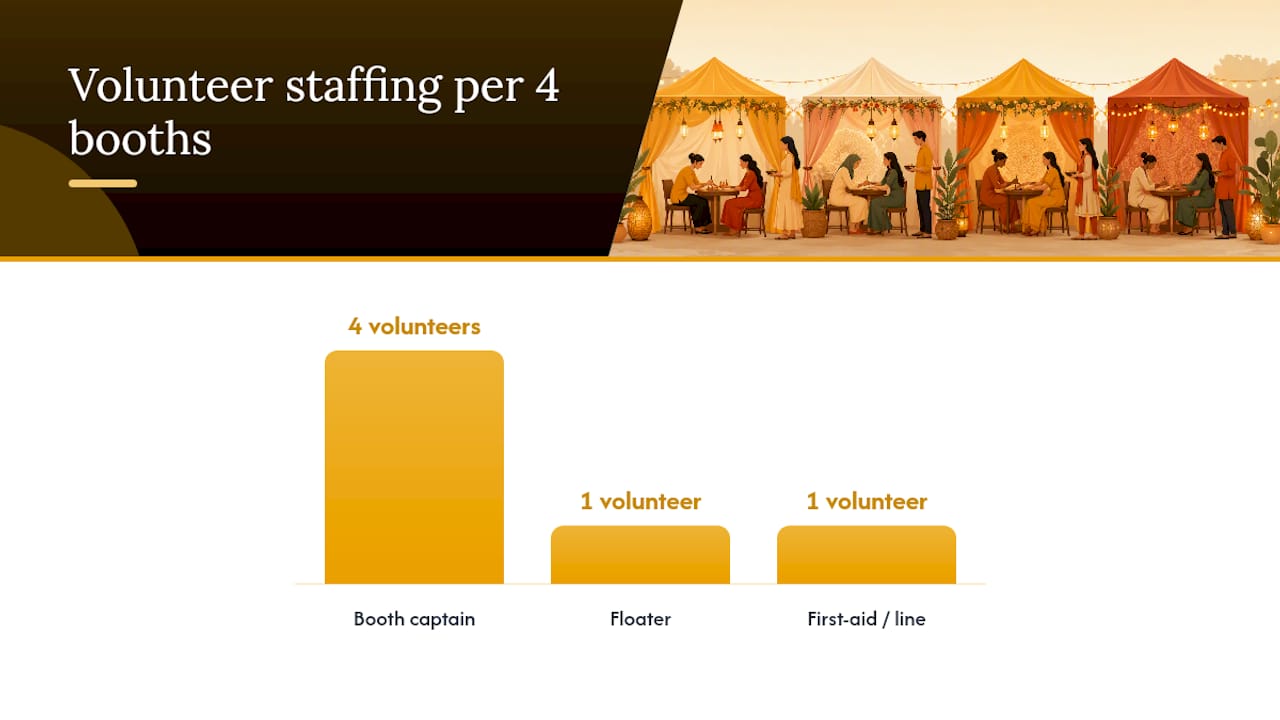
Your volunteer roles should map to specific functions rather than vague “help out” assignments: a booth captain running each activity station, a floater covering breaks and emergencies across roughly four booths, and a first-aid or line-management volunteer keeping queues orderly near your busiest attractions.
Promotion works best when it’s tied directly to entertainment, not generic “come to our event” messaging. Set up a designated photo spot near your most visual activity (a henna station or a balloon arch works well), suggest an event hashtag on signage, and consider audience engagement tactics like partner cross-promotion with local businesses who share your event to their own following.
Pro Tip: Post your show schedule at every entrance and at each booth, not just on your social media. Half your no-shows to headline acts happen because people didn’t know a show was starting in ten minutes.
What Permits and Safety Checks Do You Need?
Every community event ideas Seattle organizers or any other city’s planners pursue needs a permit check before anything else gets locked in. Requirements vary by city, but most jurisdictions require a public-assembly permit for gatherings over a certain size, a temporary vendor or special-event permit for booths selling goods or services, and a separate food-service permit if anyone is serving food on-site. Call your city’s parks or events office directly rather than relying on last year’s paperwork; rules shift year to year.
Cosmetic and interactive booths carry their own health checklist, and this matters just as much for a henna station as it does for a face-painting table:
Set up a portable handwashing station near any booth involving skin contact.
Require patch testing at least 48 hours before application for anyone unfamiliar with the artist’s paste, especially for guests with sensitive skin or a history of allergic reactions.
Use single-use applicators and cones for every guest; never reuse one cone across multiple people.
Keep booth surfaces non-porous and easy to wipe down between guests.
Store henna paste and any perishable cosmetic materials in temperature-controlled coolers throughout the day.
Site layout deserves real thought, not an afterthought sketch the morning of the event. Keep queue lines away from emergency access routes, make sure at least one path through your site meets accessibility standards for wheelchairs and strollers, and place your busiest booths (usually food and henna) away from bottleneck points like single entrances.
Before signing any vendor, require a certificate of insurance (COI) naming your organization, an indemnity clause protecting your event from vendor-side incidents, and a written schedule guarantee so a headline act can’t quietly shorten their set once they’re on-site.
What Should You Budget and Staff for Entertainment?
Cost drivers break down predictably: headline talent fees usually eat the largest share of a mid-size event budget, followed by production costs (sound, staging, permits) and vendor commissions for booths that sell goods or take tips. A low-budget event leans almost entirely on volunteer-run booths and local talent working for exposure or a small stipend. A mid-budget event adds one paid headline act and a couple of hired vendor booths. A high-budget event layers in multiple headline shows, professional sound, and several hired interactive stations running simultaneously.
Staffing ratios matter more than most planners expect. A workable rule of thumb from DIY event guides puts one volunteer per booth and one floater per four booths, which keeps lines moving without over-staffing a slow afternoon.
Chase sponsorships and in-kind trades (a local print shop donating signage, a restaurant donating food) before spending cash on anything that can be bartered.
Require a deposit when booking vendors and hold final payment until day-of setup is confirmed complete.
Read every rider carefully; headline acts sometimes require green room space, specific power outlets, or load-in windows that affect your whole site layout.
How Does a Henna Booth Fit Into a Community Event?
A mobile henna station is a near-perfect fit for the interactive-booth category, because it produces a wearable souvenir that walks around the rest of your event advertising itself. A single experienced artist typically serves 8 to 12 guests per hour depending on design complexity, so plan for a queue-and-ticket system at events over 150 people rather than a first-come line that backs up by mid-afternoon.
Operationally, the checklist is short but non-negotiable:
Set up under shade or good lighting, since fine linework needs visibility.
Keep a cooler on-site for paste storage and a handwashing station within reach.
Use single-use cones per guest and offer patch testing for anyone with sensitive skin.
Designate a nearby photo spot with an event hashtag sign, since guests almost always photograph fresh henna before it dries.
Pro Tip: Book henna near your event entrance or main gathering point, not tucked in a corner. The finished designs act as walking advertisements that pull other guests toward the booth all day.
What Actually Builds Community Through Entertainment?
Hands-on activities create a different kind of bond than passive entertainment does. When people sit shoulder to shoulder waiting for a henna design or work side by side at a craft table, they talk to strangers in a way a stage show never prompts. I’ve seen that dynamic show up again and again in event feedback: the booth people remember isn’t always the flashiest one, it’s the one where they had a conversation while waiting.
Balance novelty against accessibility. A wildly original idea that only appeals to one age group or excludes anyone with mobility limits will underperform a simpler idea executed for everyone. And write down what worked this year. Next year’s planning committee will thank you for it.
— Angana
Book Interactive Henna Entertainment for Your Next Event
An interactive henna station offers dwell-time and social-sharing benefits suitable for community events, providing a convenient entertainment option without the need to vet multiple vendors individually.
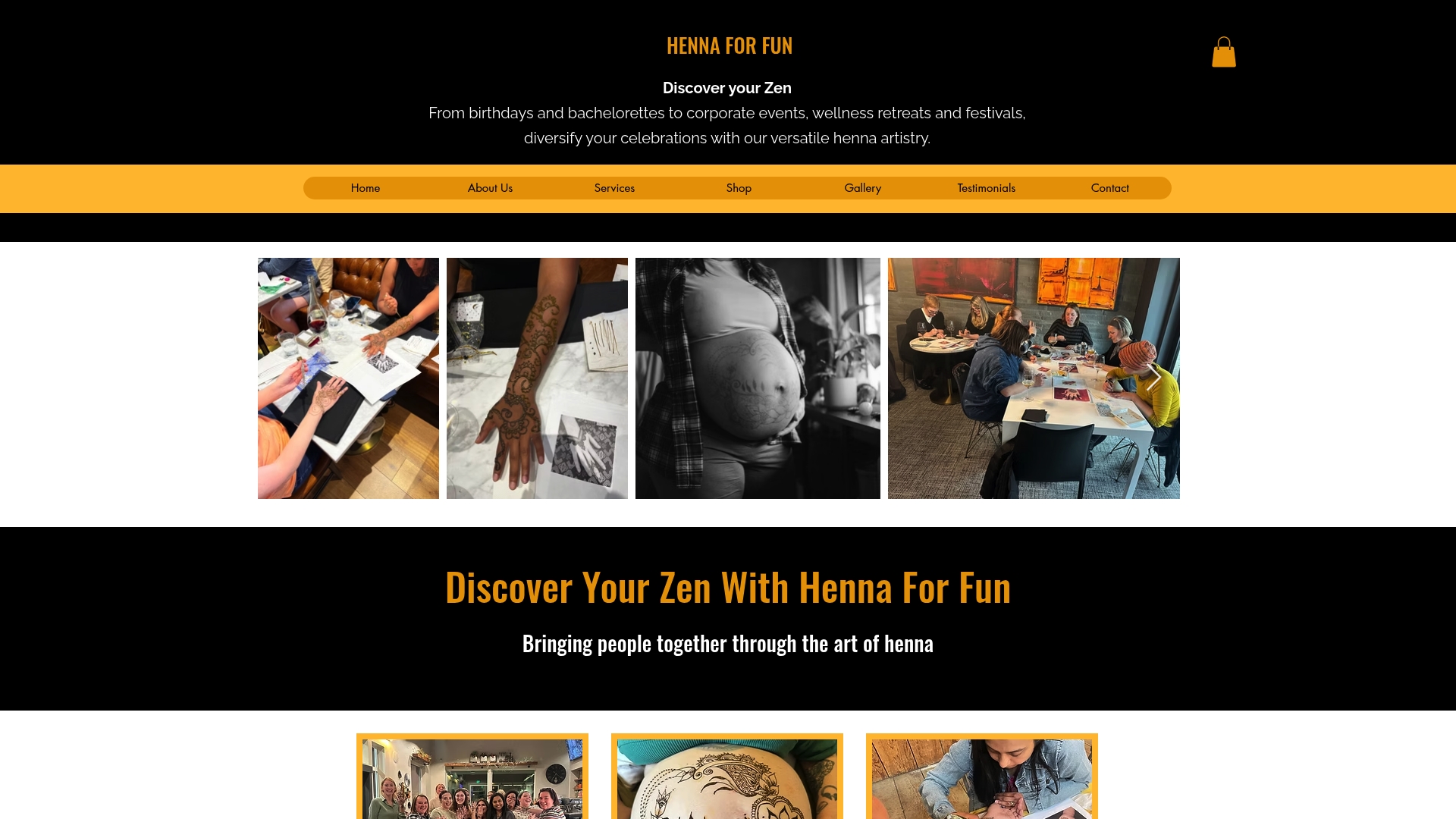
Whenna Events cover the core community and public-event format, with tiers starting at $25 per participant for the Basic package and running up through Premium options for events wanting a fully custom design menu. Baby-shower and maternity-focused community gatherings can book through the pregnancy henna packages starting at $89, and organizations running employee or volunteer appreciation days can look at corporate workshop options built for team settings. Booking typically needs a few weeks’ lead time to confirm artist availability and finalize headcount for staffing. Check current availability on the Whenna Events page and lock in your date before your event’s other booths do.
Sources
FAQ
What Are Some Fun Community Events?
Porchfests, park concerts, food festivals paired with cultural performances, charity fun runs, and family midway days with interactive booths all rank among the most reliable formats. The common thread is combining one anchor activity with ongoing entertainment so guests always have something to do.
What Is an Example of a Community Event?
A neighborhood festival combining a henna and craft booth section, a midday headline performance like live music or a magic show, and a food vendor row is a typical example. Events like Santa Monica Pier’s Locals’ Night show how mixing live music, dance, vendors, and family activities pulls a broad crowd.
What Are Some Fun Activities for Building Community?
Hands-on, shared activities work best: interactive booths like henna or craft stations, group talent shows, and cooperative games like scavenger hunts get strangers talking in a way a stage show alone doesn’t. Fundraising activities like a benefit concert or charity walk also build community by giving people a shared purpose.
What Are Examples of Entertainment Events?
Headline acts (live bands, magicians, circus performers), interactive booths (henna artists, craft stations, glitter tattoos), and ongoing amusements (carnival games, roaming performers, petting zoos) each count as entertainment event categories. Most successful community events combine two or three of these rather than relying on just one.
How Much Does It Cost to Book a Henna Booth for a Community Event?
Hennaforfun’s Whenna Events packages start at $25 per participant for the Basic tier, with Plus and Premium options available for more elaborate designs. Public events and corporate workshops have pricing available on request through the booking pages.
Recommended
Comments