School Fair Activities: Booths and Games Kids Love

The best school fair is a mix: a dozen simple, cheap games that keep lines short, plus two or three hands-on booths that give kids something to take home. Ring toss and duck pond fill the midway. A creative booth, such as sand art or henna body art, gives families a reason to stay for the whole afternoon. Below you will find the activities that work, how to match them to ages, budget and volunteers, and where a henna booth fits.
TL;DR
Plan about one game booth per 50 to 80 attendees. A dozen games is plenty for most schools.
Mix classics (ring toss, duck pond, cake walk) with two or three “big draw” or creative booths so the fair is not only games.
Match booths to staffing: easy games need one volunteer, rentals and animals need dedicated safety supervision.
Set the budget first, order prizes with a 20% cushion, and check your insurance well before the date.
For a calm, take-home activity, a henna booth from Hennaforfun is a Whenna Events option priced from $25 per participant.
Table of Contents
The classic games that never fail
Start with the booths every kid already understands. WeAreTeachers ranks its ten most popular carnival games as ring toss, cake walk, knock down the cans, lucky duck pond, balloon darts, cornhole, cup pong, lollipop pull, dunking tank and prize wheel. None needs an explanation, which means no one is stuck at the booth reading rules while the line grows.
These are the ones to build the midway around, with their setup needs and age ranges from a published list of easy carnival games:
Game | What you need | Ages |
Duck pond | Kiddie pool, numbered rubber ducks, prize table | 2 to 7 |
Bean bag toss | Bean bags, board with holes | 3 to 10 |
Lollipop pull | Foam board, lollipops, marked sticks | 2 to 10 |
Ring toss | Rings, bottles or pegs, tape for a throw line | 4 to 12 |
Can knockdown | Cans, bean bags | 4 to 10 |
Ping pong ball toss | Balls, cups or jars | 5 to 12 |
Coin toss | Coins, plates or jars | 5 to 12 |
Fish bowl | Bowls, ping pong balls | 6 to 12 |
The same sources also point to games of chance (balloon pop, Plinko, a wheel of prizes, guess how many) and active outdoor options like a rubber duck race or a mini golf putting challenge. Keep the rules to a single sentence per booth. If a volunteer needs more than ten seconds to explain a game, simplify it.
Match activities to age groups
A kindergartner and a seventh grader do not want the same booth. WeAreTeachers groups age-appropriate favorites like this:
Pre-K to Grade 2: lucky duck pond, fish pond, lollipop pull, guessing games.
Grades 3 to 5: cup pong, ring toss, knock down the cans, treasure dig.
Middle school: cornhole, water shooter race, Plinko, football toss.
If you only have room for a few booths per age band, pick the ones where winning is easy for the youngest and a bit harder for the oldest. A simple trick is two throwing distances at the same booth, so a first grader and a fifth grader can share one setup.
Hands-on booths that give kids something to keep
Games burn through tickets quickly. Creative booths slow the pace down, which helps with crowd flow and gives parents a place to sit with their kids. Common choices include:
Sand art: colored sand layered into bottles. WeAreTeachers suggests it alongside rock painting, a bubble station and a slime station.
Face painting and tattoo stations: SignUpReady groups these with craft tables and cake walks as medium booths that need one to two volunteers.
Photo booth with props: listed among hands-on festival ideas next to pumpkin golf, a fishing tournament and a candy-jar guessing game.
Learning disguised as a game: a bucket toss graphing activity has children toss ping-pong balls, record their scores on a chart and compare results, so a carnival game doubles as math practice.
If your fair has a costume or dress-up angle, a face-and-body-art booth pairs well with it. School Halloween costume tips are a good starting point for deciding what works in a classroom setting and what gets in the way.
Beyond games and crafts, PTO Today notes that U.S. carnivals often add pony rides, face painting, hayrides, small amusement rides, student or local band performances, and contests such as bake-offs or chili cook-offs. These are the “big draws.” You do not need all of them. One or two, placed at opposite ends of the grounds, pull families through the whole fair.
Where a henna booth fits
Henna is a plant-based body art applied as a paste in temporary designs. It suits a school fair for three reasons. It is quiet, so it balances the noise of the midway. It is hands-on and personal, so every child or parent leaves with something no prize table offers. And it works for all ages, including the parents and teachers who usually stand on the sidelines.
What you need to know before you plan one:
Treat it as a seated, one-at-a-time activity. Designs take a few minutes each, so plan a small-motif menu (a star, a flower, a name initial) rather than full hand designs.
Decide who the artist is before the fair. A trained henna artist keeps lines moving and designs consistent. Volunteers with no experience tend to stall the line.
Use safe paste and get parent sign-off. Our guide to henna for kids’ parties walks through safe paste and what parents should know before their child gets a design.
Give it a shaded, dry corner. Fresh paste needs time to set, so keep it away from the water games and the dunk tank.
If you want an artist to run it, our Whenna Events are priced per participant: Basic starts at $25 and Plus at $35, and an additional hour is $85. You will find the options on our Whenna Events page. For ideas on how designs change by occasion, see our festival henna designs guide, and for how interactive booths keep people longer, read about community event entertainment.
Set the budget before you pick the games
PTO Today’s advice is to nail down the budget first, then choose games to fit it. Three reference points help:
Small DIY midway: a 2026 DIY carnival guide puts four to five recyclable booths under $50, about $100 once you add mini golf and Plinko, and $150 to $250 for a full eight to ten booth loop with decor and plush prizes.
Mid-size elementary fair: SchoolRelay’s breakdown puts equipment rentals at 30 to 40% of expenses, food supplies 20 to 25%, prizes 10 to 15%, printing and signage 5 to 8%, miscellaneous 5%, plus a 10% contingency.
Revenue example: the same checklist works through 300 of 400 students buying $15 wristbands, which is $4,500 gross and roughly $2,250 net at a 50% cost ratio, before concessions.
For prizes, PTO Today recommends ordering enough for each child to win at every game, plus at least 20% extra, and saving leftovers for next year. If you add a paid activity like henna, price it on the same per-person basis as everything else, so families can budget their tickets or wristbands.
Staff booths by difficulty
Volunteers are the real constraint. SchoolRelay says a 400-student carnival typically needs 35 to 50 volunteers including setup and teardown, and that food stations need twice as many as game stations. Sort booths by effort, following SignUpReady’s booth guide:
Easy (one volunteer): ring toss, bean bag toss, duck pond, bowling, fishing, spin the wheel, basketball free throw, balloon pop.
Medium (one to two volunteers): face painting, tattoo station, craft table, obstacle course, limbo, musical chairs, cake walk.
Complex (two or more): dunk tank, bounce house, rock climbing wall, petting zoo. These need dedicated safety supervision even when the rental company supplies operators.
Two habits save the most headaches. First, put a laminated instruction card at every booth with the game name, rules, ticket collection, prize awarding and where the backup supplies are. Second, keep shifts short: 90 minutes for a three-hour event, with a 15-minute overlap for handoffs. Volunteer management tips written for youth sports events carry over well to a school fair, especially on recruiting roles before the general sign-up opens.
Fill the key roles first, as SchoolRelay advises: site coordinator, setup lead, cashier lead, a safety monitor for inflatables and a teardown lead. A creative booth with a hired artist is one of the easiest to staff, since the artist handles the activity and you only need a helper to manage the line.

Layout and flow
The Midgeo planning guide suggests four to six games for small groups and eight to twelve for larger events, arranged in a loop so kids keep moving, with short rounds of five to seven minutes to keep lines down. It also recommends one volunteer per booth, a floater for every four booths and a host at the prize table.
A few layout rules follow from that:
Put the highest-demand booths (dunk tank, creative booth, food) far apart.
Keep noisy games away from quiet ones.
Use floor dots to mark the line, and cap turns per child so everyone gets a go.
Place the first aid station and the lost-child meeting point where every volunteer can find them.
Safety, insurance and permits
This is where well-run fairs differ from chaotic ones. Build these into the plan early:
Replace sharp items. Midgeo’s safety advice is to swap sharp darts for Velcro balls, foam darts or beanbags, weight stands with sand or water, tape edges, and secure cords.
Keep shared items clean. Wipe them every few rounds.
Make games inclusive. Offer seated versions, two throwing distances, icon-based rule signs and a quieter zone.
Staff the basics. SchoolRelay’s event checklist calls for a clearly marked first aid station staffed by someone with basic medical knowledge, a lost-child protocol every volunteer knows, and two people present for every cash count and deposit.
Check insurance. The 10-week planning timeline says to contact your liability insurer ten weeks out and, if coverage does not extend to carnival games, inflatables and food, buy a single-event rider, typically $100 to $300.
Check food rules. The same checklist notes that some counties require a temporary food handler’s permit even for PTOs. Fall festival guidance also advises labeling food for allergies and checking whether hay bales need a permit.
For a body art booth, tell families what the activity involves in your sign-up materials and offer a pick-your-own-design menu so parents can opt in. Our henna for kids’ parties guide covers what to tell parents.
A simple timeline
Putting the planning milestones from SchoolRelay’s 10-week timeline into one list:
Ten weeks out: confirm the date and venue in writing and contact your insurer.
Seven weeks out: book rentals.
Four weeks out: launch promotion and order supplies.
One to two weeks out: do a final venue walkthrough.
Book anything with a limited schedule, such as an artist or entertainer, at the front of this list, not the end. Our calendar and events page is the place to see what we have coming up.
We run henna events for a living, and what we see again and again is that people remember the moment they sat down, relaxed and made something. A midway gives kids energy. A creative booth gives them a pause and a keepsake. That is why we pair traditional henna artistry with modern, interactive group experiences. Our Whenna Events are built around people engaging with the art, not just watching it, which suits any gathering where families want to connect as well as compete for prizes. If you are planning a fair, balance the game booths with at least one activity where adults and kids can slow down together. Henna does that well, and it works for first-timers of every age. Angana
Our view: calm, creative booths make a fair
Bring a henna booth to your next gathering
Whenna Events let guests take part in henna application at venues from wineries to homes. Pricing starts at $25 per participant for Basic and $35 per participant for Plus, with Premium Option 1 from $35 per design per participant, Premium Option 2 at $200, and extra time at $85 per hour. These are the prices published on our site.
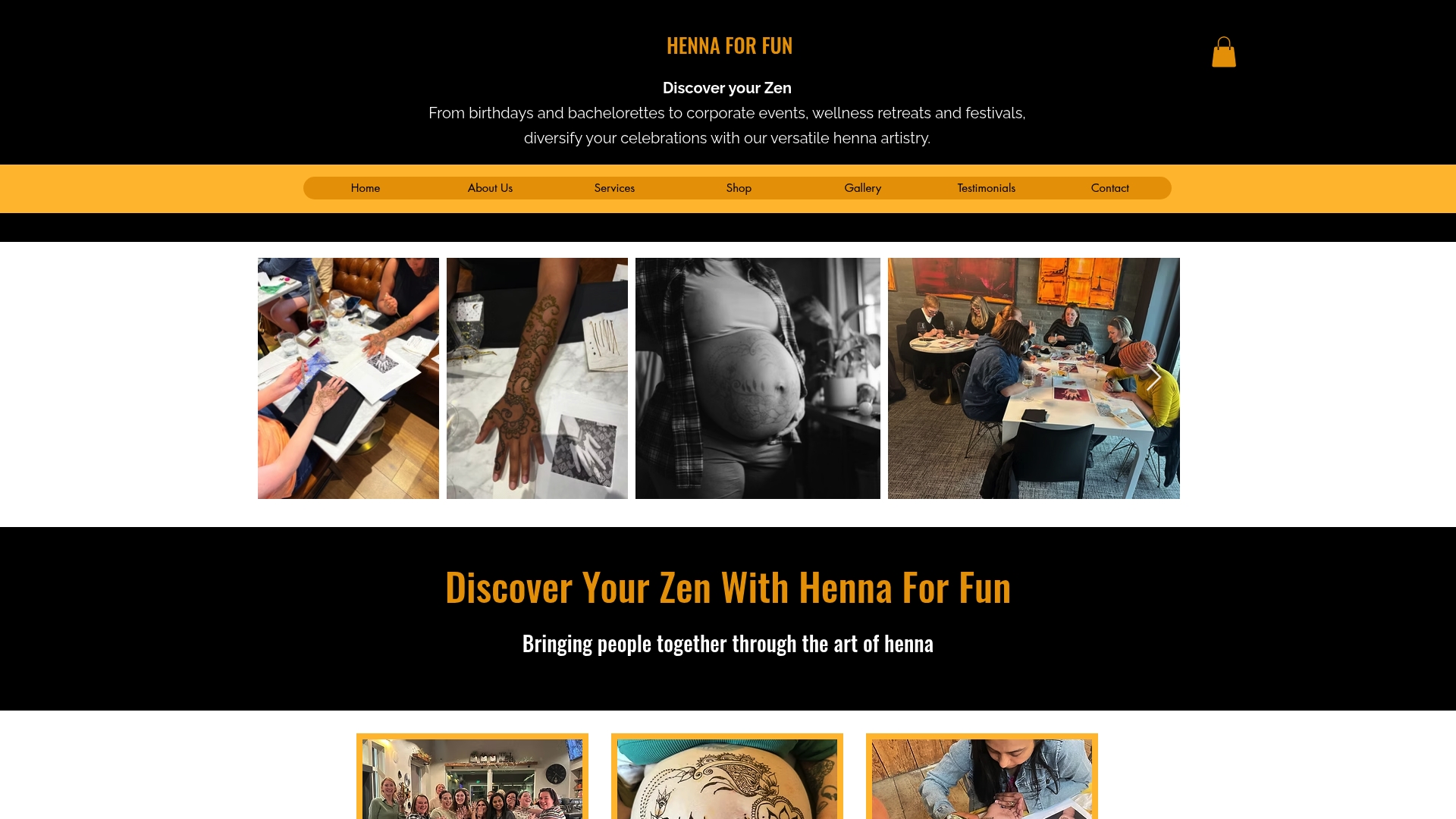
See the options and request a date on our Whenna Events page. If your group would like to learn the craft itself, our lessons include a 3-day option at $111 and a 5-day option at $179. For a workplace or team version, look at our corporate workshops.
FAQ
How many activities does a school fair need?
For most schools, a dozen games is plenty, with about one game booth per 50 to 80 attendees. Smaller events can run four to six. Add two or three bigger or creative booths so the fair is not just games.
What are the cheapest school fair activities?
Bean bag toss, ring toss, duck pond and can knockdown use inexpensive supplies and one volunteer each. A small DIY loop of four to five recyclable booths can come in under $50. Donated items help too, such as pumpkins, hay and prizes at a fall festival.
What non-game activities work at a school fair?
Sand art, rock painting, a bubble station, a slime station, face painting, a photo booth and a henna booth all work. They slow the pace and send kids home with something. Pair them with the classics so there is something for every age.
How many volunteers do we need?
Plan on 35 to 50 for a 400-student carnival, including setup and teardown, according to SchoolRelay’s checklist. Most simple game booths need one volunteer, and food stations need about twice as many as games.
Sources
Recommended
Comments