Henna Appointment: What to Expect From Start to Finish

A henna appointment is a relaxed, mostly sitting-still session. You arrive with clean, dry skin, your artist applies natural henna paste from a cone in the design you chose, and then you let the paste dry and rest on your skin for several hours before you gently remove it. The stain then deepens over the next day or two. This guide walks you through every stage, from what to do the day before to what the paste should smell like, so nothing about your first session is a surprise.
TL;DR
Arrive with clean, dry skin, eat beforehand, and skip heavy lotion or oil on the area.
Expect a calm session: design talk, application, then drying time. Plan on keeping the paste on as long as your artist advises.
Natural henna is brown, orange-brown or reddish-brown and smells earthy. If it smells like chemicals, leave.
Follow aftercare for the first day or two to get a darker, longer-lasting stain.
Our published event pricing starts at $25 per participant, and we list what each tier includes below.
Table of Contents
Before You Book: Natural Henna vs. “Black Henna”
The single most important thing to settle before any appointment is what is in the paste. Natural henna stains the skin brown, orange-brown or reddish-brown. A jet-black result on the first day is a warning sign, because blackening is often done with a coal-tar hair dye containing PPD.
The U.S. Food and Drug Administration also notes that it has not approved henna for direct application to the skin, only as a hair dye, which is one more reason to ask your artist what goes into their paste. The same FDA page is worth reading before you book anyone.
The risk is real. Reactions to black henna can include blistering, redness, loss of pigmentation and permanent scarring. The FDA has also warned that PPD is not permitted in cosmetics meant for direct skin application.
Good questions to ask any artist before you commit:
What ingredients do you use in your paste?
Do you mix it fresh, and how is it stored?
Do you use any additives other than natural ones like lemon juice, sugar or essential oils?
Will the stain look black right away? (A trustworthy answer is no.)
We explain what belongs in a safe mix, and what does not, in our guide to natural henna ingredients and avoiding PPD.
How to Prepare for Your Appointment
Preparation is simple, and a little effort improves the final stain.
The day before
Shave or wax early. Do any hair removal on the area at least a day before, not right before the session, so the skin has time to settle.
Skip heavy products. Do not put thick lotion, body butter or oil on the area where the design will go. Oily skin can keep the paste from sitting properly.
Consider a patch test. If you have sensitive skin or have never had henna, a small test spot is a sensible step. Our walkthroughs on a 48 hour patch test for sensitive skin and a henna allergy test explain how to do it safely.
The day of
Eat first. Henna sessions involve a lot of sitting, and you will not want to eat messy food with paste on your hands. A full stomach also helps if you are sensitive to long periods of stillness.
Wash and dry the skin. Arrive with clean, dry skin, free of lotion, sunscreen and perfume on the area.
Wear the right clothes. For hand and forearm designs, wear short or loose sleeves you can push up. For feet, wear sandals or bring slip-on shoes. For a belly design, a loose top or a crop-style layer works well.
Use the restroom. It is hard to manage once your hands are covered.
Bring reference photos. Screenshots of designs you love help the conversation go faster, even if you also want your artist to freehand something custom.
If you are choosing a design for a particular setting, such as a concert weekend, our ideas for festival henna designs, timing and safe paste can help you decide what suits the occasion.
What Happens During the Session
Most appointments follow the same rhythm, whether you are in a private home, at a winery event or at a studio.
1. Design conversation
Your artist will ask where you want the design, how large or detailed it should be, and whether you prefer traditional, floral, geometric or minimalist styles. This is the moment to mention any skin sensitivities or allergies. Placement matters: the palms and the soles of the feet tend to hold darker color, while thinner skin on the inside of the wrist may show a lighter tone.
2. Skin check and positioning
Your artist will look at the skin, sometimes wiping it with a gentle cleanser or a light solution to remove residue. You will be seated comfortably and the area supported, often on a pillow or a small table.
3. Application
The artist squeezes henna paste from a small cone and draws the design directly on your skin. You will feel a cool, slightly damp sensation and light pressure, similar to someone drawing on you with thick icing. It does not hurt, and there are no needles. Many people find the process meditative, and chatting is fine as long as you keep the area still.
A small design can take minutes, while a detailed bridal or full-hand design takes much longer. Your artist should give you an honest estimate of time when you book, because intricate work cannot be rushed without losing quality.
4. Setting time
After the lines are drawn, the paste needs to dry. This is the part where you mostly sit and wait. Do not touch, scratch or smudge the design. Your artist may lightly dab it with a sugar and lemon mixture to help it adhere. Ask before you do anything yourself.
This is also the time to settle your phone, bag and keys. Have a friend or your artist help you with any last practical tasks before you leave.
How Long to Leave the Paste On
The longer the paste stays in contact with your skin, the deeper the stain can become. We generally advise leaving paste on for several hours, and some clients keep it on overnight when their artist recommends it and the design location allows. The right length depends on your skin, the paste and the design.
If you are unsure, our detailed guide on how long to leave henna on skin for best results breaks the timing down, including what to do when you cannot keep it on overnight.
When you remove the paste:
Let it dry fully until it is crusty and starting to flake.
Gently rub or scrape it off with a dry hand, a cloth or the edge of a blunt tool.
Avoid washing the area with water right away.
Use a light plant-based oil or balm, if your artist recommends one, once the paste is off.
The flakes may look like dark crumbs, and the stain underneath will initially appear light orange. That is normal.
What the Stain Looks Like Afterward
The first thing most first-timers notice is that the color is bright orange right after removal. Do not worry. Henna oxidizes and deepens over the following day or two, ending as a richer brown. Palms and soles usually come out darkest, while arms, shoulders and the belly often come out lighter.

Skin tone affects how the stain reads. On deeper complexions the stain tends to look more subtle and reddish-brown. Our article on henna on dark skin and how to go darker explains what to expect and how to plan placement for visibility.
A henna design usually fades over one to two weeks as your skin naturally sheds. Daily exfoliation, hot water, chlorine and heavy washing shorten that life, which brings us to aftercare.
Aftercare: The First 48 Hours
What you do right after the session shapes the final result. A few simple habits go a long way:
Keep the area warm. Warmth supports a deeper stain.
Avoid water at first. Keep the design dry for as long as your artist advises after paste removal.
Skip harsh products. Soaps, hand sanitizer, chlorine and exfoliants can lighten the stain faster.
Moisturize gently. A small amount of a plant-based oil or balm after paste removal can protect the design. Avoid scrubbing it in.
Protect it from friction. Tight bracelets, rough fabrics or repeated rubbing can wear away the stain early.
For a full step-by-step routine, see our henna aftercare guide for a dark, long-lasting stain. If you want to go further, our article on how to make a henna stain darker covers techniques and timing in more depth.
Red Flags to Watch For
A professional appointment should feel clean, unhurried and transparent. Walk away, or stop the session, if:
The paste smells of chemicals or gas. The Cleveland Clinic’s advice is to turn around and walk out in that case.
The artist promises a black stain in an hour or less.
The artist cannot or will not tell you what is in the paste.
The paste comes from an unlabeled, old or oddly warm container.
You develop burning, intense itching, blisters or swelling at any time during or after application. Wash off the paste and see a doctor promptly.
If you are pregnant, ask about the paste and how much will be applied before you book. Our article on pregnancy henna safety and keeping paste to a teaspoon explains how we approach it, and your own healthcare provider should have the final word on your situation.
Planning Around a Wedding or Big Event
Because the stain needs time to deepen and then slowly fades, booking your session a day or two before a big event is common, so the color has time to reach its richest tone. Many people plan bridal or party henna with a buffer so a long session does not collide with last-minute errands, travel or hair and makeup. Check with your artist about the best lead time for your design, skin and schedule, because the answer depends on the size and placement of the work.
For group events such as bridal showers or birthdays, a longer booking with several artists or participants saves everyone’s time. That is where an event format shines.

What a Henna Appointment Costs With Us
Prices for henna vary by artist, region, design size and event type. Here is what we publish for our own offerings, as listed on our site:
Offering | Published price |
Whenna Events, Basic | From $25 per participant |
Whenna Events, Plus | From $35 per participant |
Whenna Events, Premium Option 1 | From $35 per design, per participant |
Whenna Events, Premium Option 2 | $200 |
Additional hour at an event | $85 per hour |
Baby Showers, Option 1 | From $200 |
Baby Showers, Option 2 | From $89 |
3-day lessons | $111 |
5-day lessons | $179 |
Henna mixing and cone making | $99 |
Maternity photoshoots, public events and corporate workshops do not have a published price, so ask us for a quote. You can see current details on our Whenna Events page and our pregnancy services page.
Our Perspective
We built Henna For Fun around a simple idea: henna should feel calm, creative and social, and it should always be made from ingredients you can be comfortable with. A good appointment is not just a design. It is a short pause in your day, with someone who explains what they are doing and why. That is why we pair traditional henna artistry with modern, interactive formats. At a Whenna Event, friends sit together at a winery or at home, choose their designs and talk while the artist works. For expectant parents, our pregnancy henna sessions are designed to celebrate the journey with personalized designs for baby showers and maternity photoshoots. For people who want to learn, our private and group lessons teach mixing, cone making and application, so you understand the craft and not just the finished look. We encourage every client to ask about paste ingredients, to patch test when they have sensitive skin, and to follow aftercare. Doing these three things well matters more than any secret trick, and we are happy to talk you through them before you book. Angana
Ready to Book Your Own Session?
If you are in Washington and want a henna experience that is relaxed and social, our Whenna Events bring the artist to a winery, a home or a gathering you organize. You pick a tier that suits your group, and we handle the setup, designs and the conversation about aftercare.
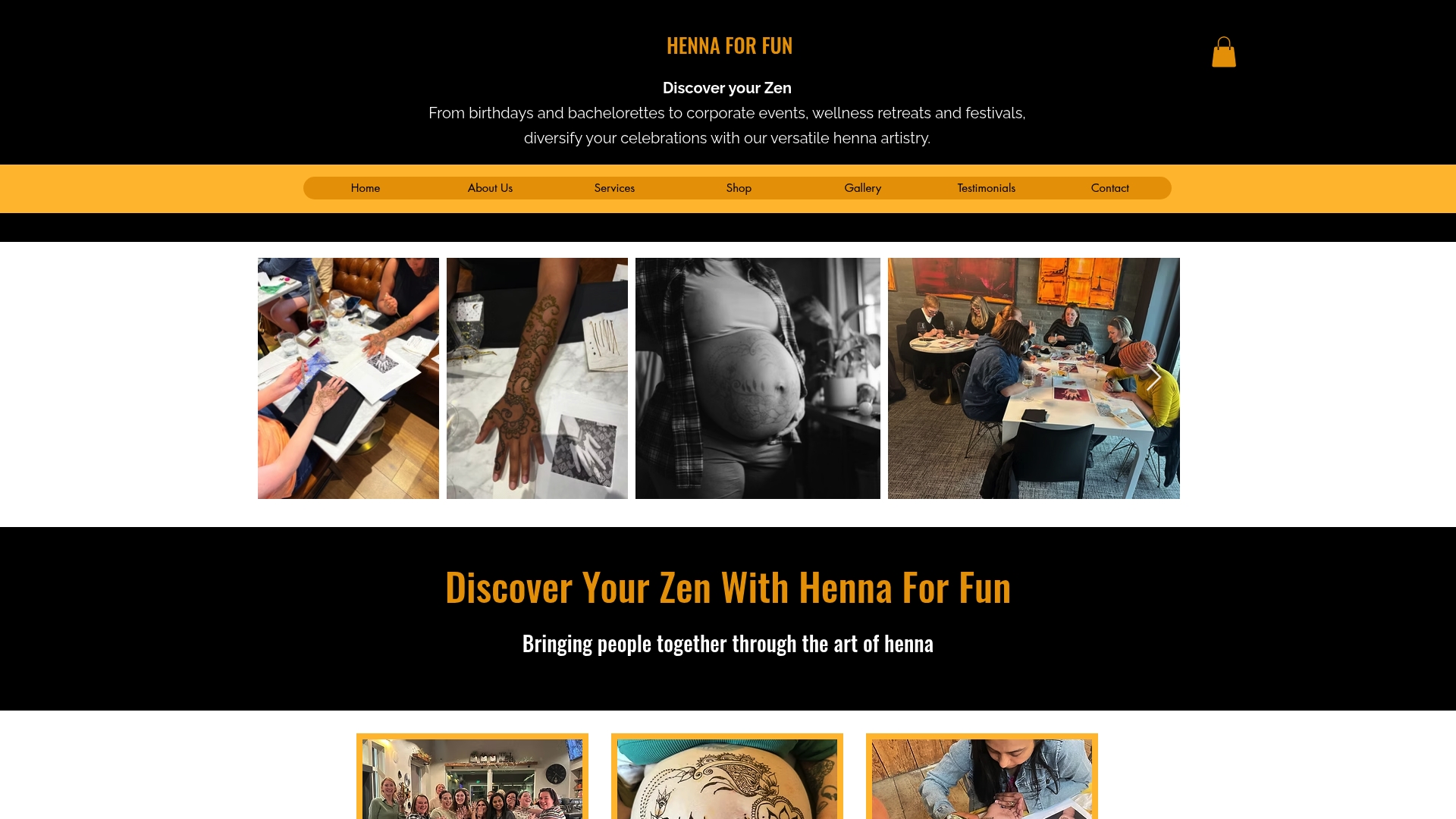
See options and pricing on our Whenna Events page, or explore all our henna services. If you would like to learn the art yourself, our henna lessons cover mixing, cone making and application, and our handmade henna cones are available if you want to practice at home. Our henna kit instructions for avoiding black henna will help you use them safely.
Teams can also look at our corporate workshops, and you can check upcoming sessions on our calendar of events.
A Quick Checklist for the Day
Clean, dry skin with no lotion on the area
A meal beforehand
Hair removal done at least a day earlier
Loose clothing and easy shoes
Reference photos saved on your phone
A list of questions about paste ingredients
Time set aside for drying and a calm trip home
Aftercare plan for the first 48 hours
FAQ
How long does a henna appointment take?
It depends on the design. A small design may take only a short time, while a detailed hand or bridal design takes much longer. Add drying time after the application, so plan your schedule with a generous buffer and ask your artist for an estimate when you book.
Does henna hurt?
No. Henna is applied from a cone onto the surface of your skin, with no needles. You will feel cool paste and light pressure. If you feel burning, intense itching or notice blisters, wash the paste off and see a doctor.
Can I shower or wash my hands after henna?
Keep the design dry for as long as your artist advises, particularly after removing the paste, because water, soap and sanitizer can lighten the stain. Warmth helps a deeper color, so avoid long hot soaks and chlorine for the first day or two. Our aftercare guide gives a full routine.
How do I know my henna is safe?
Natural henna is brown, orange-brown or reddish-brown and smells earthy, not chemical. Be wary of any paste that promises a black stain fast, because the FDA warns that black henna may contain PPD. Ask your artist what is in the paste before you start.
Should I eat before my appointment?
Yes. You will be seated for a while and then unable to use your hands freely while the paste dries. Eat a good meal beforehand, and wait to eat again until you are done and dry.
Sources
Recommended
Comments