Company Picnic Henna: How to Plan It Well

Henna at a company picnic works best as an optional, hands-on station: one or two artists, simple designs, a shaded table and a clear sign-up flow, so coworkers can drop by, chat and leave with something personal on their skin. The details that matter are safety (only natural henna, never “black henna”), pacing (so the line never swallows the afternoon) and making it feel like an invitation rather than an obligation. This guide walks through all three, with pricing from our own published event packages.
TL;DR
Book a professional artist who uses natural henna paste and will tell you what is in it. Avoid anything sold as “black henna.”
Keep it optional: place the station beside, not inside, the main activity, and offer small designs so anyone can say yes in a few minutes.
Plan capacity before the day. One artist can only decorate so many guests per hour, so match artist hours to headcount.
Our Whenna Event packages start at $25 per participant (Basic) and $35 per participant (Plus). Corporate workshops are quoted individually.
Ask guests about allergies and skin sensitivities in the RSVP, and tell them what to do if a reaction appears later.
Table of Contents
What guests can expect from henna at a company picnic
Picture a table in the shade with a few seating spots, a binder or board of design ideas and an artist working with a small cone of henna paste. A guest sits down, chooses a design, and within a short time has a pattern on a hand, wrist or forearm. Others stand nearby, chat and wait their turn. That is the whole charm: the station becomes a conversation spot that mixes people who don’t usually sit together, like someone from accounting and someone from the warehouse.
Henna is a temporary body art. The paste goes on wet, is left to dry, and then the stain develops on the skin. Guests will usually go home with a design that stays as a conversation piece for a while. Since the stain develops after application, guests should hear from the artist how to treat the design in the hours after the picnic. We cover aftercare below.

We host henna experiences at a range of venues, including wineries and private homes, and we run corporate workshops as well. A picnic is a natural fit for the same format because the setting is already relaxed. People are outdoors, mingling, and looking for something to do with their hands that isn’t a phone.
Three ways to run the activity
Format | How it works | Best for |
Drop-in station | An artist applies small designs to guests as they arrive or between games | Larger picnics where people drift in and out |
Guided group session | Guests are walked through the basics and try henna on each other | Smaller teams that want a team-building moment |
Hybrid | Artist applies designs for part of the event, then a short demo for the curious | Mixed groups with varied comfort levels |
A drop-in station is the simplest to organize and the easiest to keep optional. A guided session suits teams of roughly a dozen or fewer who want a shared activity. If you aren’t sure, describe your headcount and schedule to us and we will recommend a format from our corporate workshops or event options.
Safety first: natural henna only
This is the part organizers cannot skip. According to the U.S. Food and Drug Administration, henna is approved only as a hair dye, not for direct application to the skin, and products marketed as “black henna” often contain PPD, which is not permitted in cosmetics applied to the skin and can cause dangerous skin reactions in some people.
What that means in practice for your picnic:
Ask the artist what is in the paste. A professional should be able to tell you the ingredients plainly. Natural henna paste is typically a dark brown to orange-brown stain, not jet black.
Walk away from “black henna” or very fast results. If a vendor promises a jet-black design in minutes, that is a red flag.
Get the ingredient answer in writing if your HR or risk team requires it for company events.
Tell guests the artist’s product is something you have asked about, so they feel comfortable saying yes.
For a deeper look at how to tell safe henna from unsafe henna, see our guide to henna rules in the U.S..
Allergies, reactions and what to tell guests
A reaction to a temporary tattoo can show up anywhere from the moment of application to three weeks later, and signs can include redness, swelling, intense itching, pain, tiny bumps, blisters or scarring, according to the American Academy of Dermatology. The same source says that a guest who has trouble breathing, a racing heart, dizziness or intense swelling after a henna tattoo should seek immediate medical care.
Because a reaction can arrive well after the picnic is over, give every participant a short note or a verbal reminder before they leave:
What to watch for in the days after (the symptoms listed above).
Who to contact if they have a concern: their own doctor or a dermatologist, and you as the organizer so you can reach the artist.
That severe symptoms mean urgent medical care, not waiting.
Patch testing is a medical test that a dermatologist may recommend to identify the substances causing an allergic skin reaction. For guests who know they have very sensitive skin or a history of reactions to dyes or tattoos, the sensible answer is to talk to their doctor first and to skip the activity if in doubt. We explain how people approach a trial spot at home in our guides on patch testing for henna and henna on sensitive skin.
A simple RSVP question
Add one line to your picnic invitation: “Henna will be available. Let us know of any skin allergies or sensitivities so we can plan.” It signals care, costs nothing, and gives you information before the day. It also lets people with concerns opt out quietly instead of declining in front of coworkers.
Make it optional and welcoming
A company event is a mixed room. Colleagues come from different cultures, faiths, ages and comfort levels, and henna carries real cultural and, for many families, religious meaning. The goal is an activity that feels like an invitation.
A few principles we use when we plan group events:
Never require participation. Guests should be free to join without feeling obliged to have a design applied. Place the station where people can watch without committing, and let a colleague hang out at the table without sitting down.
Frame it as a creative experience. Describe it as body art and a chance to try something new. There is no need to imitate a family or wedding ritual, and you shouldn’t dress the station up as one.
Offer design variety. Small, simple options such as a minimalist line on a wrist, a few dots, or a leaf are easy to say yes to. Some guests want a statement piece, others want something they can hide under a sleeve at Monday’s meeting.
Offer placements beyond the hand. Some guests will prefer a spot that isn’t visible at work. Ask the artist which placements work well.
Respect the tradition by name. If someone asks about the history of henna, the artist can speak to it. A good artist enjoys that conversation, and it adds depth to the activity, which is the reason we combine traditional henna artistry with modern, interactive experiences.
Offer something for those who pass. Put a small card on the table explaining the designs and the meanings, or set out a coloring sheet of henna patterns so non-participants can still take part.
This approach also fits into inclusion programming. If your company runs DEI events, a henna station can sit within a broader program that celebrates different art forms. Talk to your DEI coordinator early so the framing is respectful and the activity doesn’t read as a novelty.
Plan space, timing and capacity
Most planning problems at picnic henna come down to one thing: more guests than artist time. Here is how to avoid it.
Do the capacity math
Ask the artist how many guests they can comfortably decorate per hour with the kind of designs you want, then work backward from your headcount. If you expect 80 guests and about a third will want henna, that is roughly 27 people, so a single artist handling small designs could need a few hours. Bigger designs mean fewer guests per hour. Our approach is to match the artist’s hours to the design size, not the other way around.

Our published rate for extending a booking is $85 per additional hour, which is useful to know when you’re sizing the event. Hours, artist numbers and design sizes all affect the quote, so tell us your headcount and we will help you work it out.
Choose the spot
Shade and shelter. Henna paste is applied wet and needs to dry, and direct sun, wind and rain make for a miserable afternoon at the table. A pop-up canopy or a covered pavilion is worth it. If you are in the Pacific Northwest, where we are based, have a covered backup for rain.
A stable table and two chairs. The artist needs a steady surface and the guest needs a comfortable seat with an arm rest.
Space for a queue. Put the station away from the food line and the restrooms so people can wait without blocking traffic.
Separate it from food and drinks. Wet henna and a hot dog do not mix well. Set up a hand-washing or wipe-down option nearby, and plan a drying period where guests can relax with their hands free.
Set up a sign-up system
A clipboard or a QR code to a simple form lets guests claim a time slot. That prevents a one-hour line at noon and a quiet table at 3 pm. Leave a few walk-up slots open for latecomers and the curious.
Sample timeline
Time | What happens |
30 min before start | Artist sets up, tests the station, prepares cones |
First hour | Open sign-ups, small designs, steady flow |
Middle of the event | Peak demand: consider a second artist for larger teams |
Final stretch | Walk-ups and quick designs, then pack up with a buffer |
The timeline is a template. Your own schedule, such as speeches, games and lunch, will shape it.
What henna costs for a team event
The published prices on our Whenna Events page give you a starting point for budgeting:
Package | Published price |
Basic | from $25 per participant |
Plus | from $35 per participant |
Premium Option 1 | from $35 per design per participant |
Premium Option 2 | $200 |
Additional hour | $85 per hour |
You can see what each option includes on our Whenna Events page. Corporate workshops don’t have a published price, because headcount, hours and format change the cost. Share the details through our corporate workshops page and we will quote your picnic.
When you budget, decide who pays: the company, a department, or guests. Many organizers fund a set number of participants and cap the rest, which also helps when interest runs higher than expected.
Aftercare: what to tell guests before they leave
Henna stains develop after the paste is applied, so the moments after the design matter. Rather than handing guests a list from a random website, ask your artist for their own aftercare instructions and print them on a small card or read them aloud as each guest finishes. A good artist gives them as a matter of course, and instructions can vary by paste and design.
Cover these points on the card:
How long to leave the paste on and how to remove it.
What to avoid in the first hours and days.
What to do if the skin becomes irritated, with the symptoms and the medical advice from the section above.
The artist’s or organizer’s contact information.
Since the picnic is a work event, remind guests that designs are temporary and will fade over time, which can ease worries about a visible design at the office.
Our perspective
We have run henna at wineries, in living rooms and in workshops, and the pattern is the same everywhere: people arrive hesitant and leave talking. A company picnic is the perfect place for that, because the setting is already social and nobody has to perform. What we have learned is that the activity succeeds when three things are true. The artist is a real professional who is open about the paste. The design menu is small enough that choosing takes seconds. And nobody feels watched when they say no. That is why we pair traditional henna artistry with modern, interactive formats. The art has a long history, and we treat it with respect, but the experience is built so that a first-timer in a company t-shirt feels at ease. If you want the team to relax, make something, and see coworkers in a new light, henna is one of the most inviting ways to do it. Angana
Book henna for your company picnic
We bring interactive henna experiences to events in the Seattle area and around Washington, including corporate workshops, group events and private sessions. Tell us your date, headcount, setting and how long you want the station running, and we will suggest a format and an artist plan that fits. You can start on our Whenna Events page for package prices or send your details through the corporate workshops page.
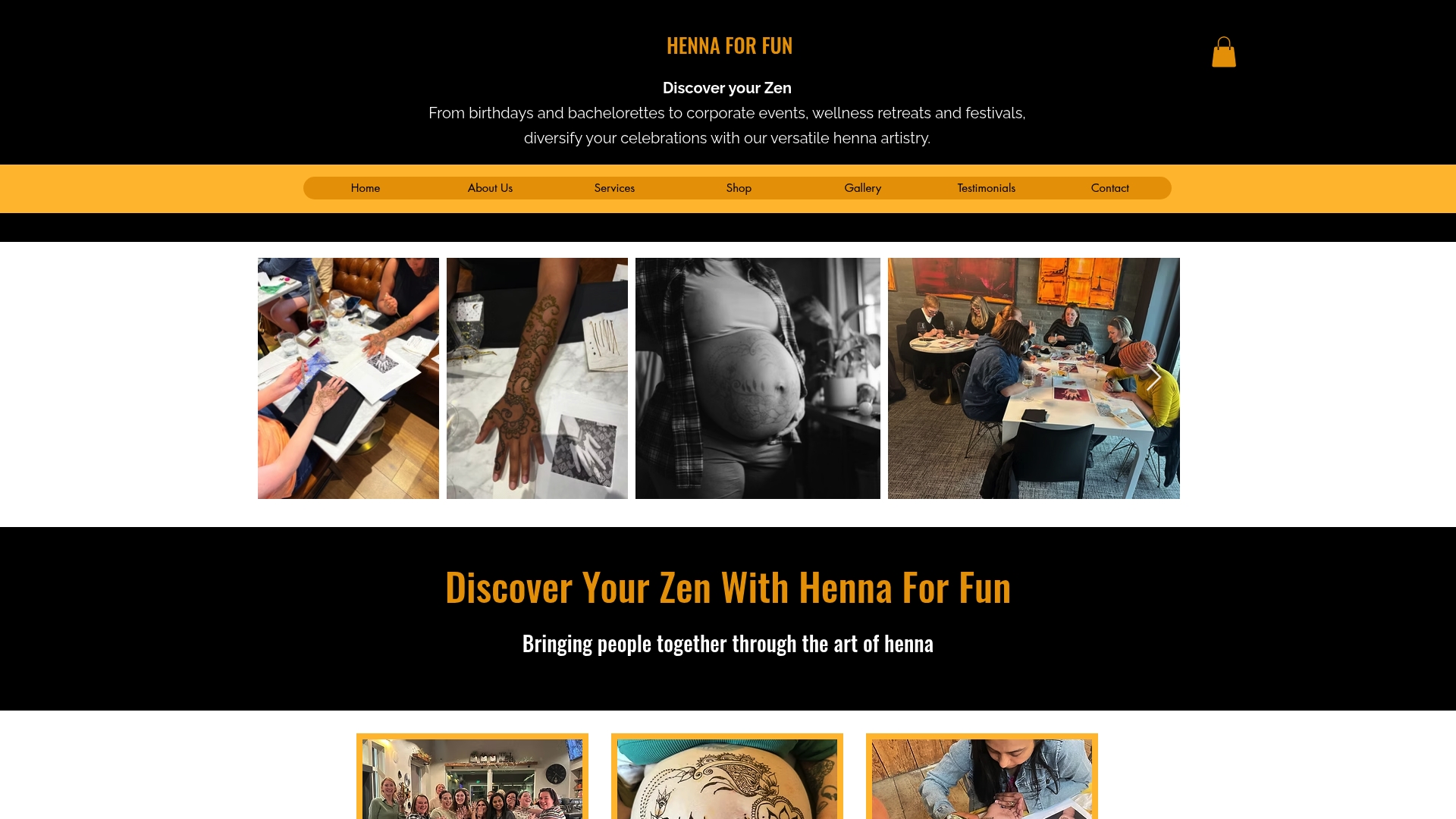
If your team would rather learn than be decorated, we also offer private and group henna lessons, and you can browse our full list of services or check the calendar of public events to see how a session feels before you book one for your team.
A short planning checklist
Confirm the artist uses natural henna and will share ingredients.
Decide the format: drop-in station, guided group or a mix.
Set headcount estimates and match artist hours.
Add the allergy and sensitivity line to your RSVP.
Reserve a shaded, stable spot away from the food line.
Set up a sign-up method with a few walk-up slots.
Prepare an aftercare card with the artist’s instructions and the symptoms to watch for.
Brief your DEI or HR contact so the framing is respectful and optional.
Settle the budget and who pays for participation.
FAQ
Is henna safe for everyone at a company picnic?
Natural henna is not safe for everyone by default, and “black henna” products can contain PPD, which the FDA says is not permitted in cosmetics applied to the skin. Ask your artist about the paste, collect allergy information in the RSVP, and tell guests to see a doctor if they notice a reaction. Guests with a history of skin reactions should talk to their doctor or dermatologist first.
How much does henna cost for a company event?
Our published Whenna Event packages start at $25 per participant for Basic and $35 per participant for Plus, with extra hours at $85 per hour. Corporate workshops are quoted individually based on your headcount, hours and format. Contact us with your details for an accurate figure.
How many guests can one henna artist handle?
It depends on design size. Small designs go quickly, while detailed ones take much longer, so the number varies. Ask your artist for an estimate based on the designs you want, then match their hours to the number of guests likely to participate.
Can employees opt out without awkwardness?
Yes, if you plan for it. Keep the station beside the main activity, make sign-up voluntary, offer small and discreet designs, and give non-participants something to do at the table, like looking through the design board. Presenting henna as a creative experience rather than a ritual also keeps it relaxed for everyone.
How far in advance should I book?
Picnic season fills calendars, so reach out as soon as you have a date and a rough headcount. Check our calendar and contact us to confirm availability for your date.
Sources
Recommended
Comments