Wine and Henna: Safely Host 8 to 15 Guests in the U.S.

A wine-and-henna event pairs guided henna body art with wine tasting or casual drinking, usually run by a professional artist at a winery, private home, or similar venue. It works well for small groups celebrating a birthday, shower, or girls’ night, and it suits larger winery crowds too. The one rule that matters most: skip any artist offering “black henna” and confirm natural ingredients before anyone’s skin touches paste.
TL;DR:
Ask the artist to name every paste ingredient, avoid black henna because it may contain PPD, and request a patch test two days beforehand.
Before booking, confirm the winery’s wine purchase minimum, licensed serving arrangements, age rules, and a henna station away from the drink line.
Reserve weekend artists early and provide a drying area, since guests should sit for 10 to 15 minutes after application.
Whenna Basic packages start at $25 per participant, Plus starts at $35, and Premium costs $200 as a flat package or is priced per design.
Table of Contents
What to expect at a wine and henna event
Most sessions run a few hours, which matches the typical pace of a winery evening. Guests arrive, get a glass of wine, and watch a short demo of the available henna designs before signing up for a turn in the artist’s chair. Each design takes anywhere from five minutes for a small wrist motif to twenty or more for a detailed hand piece, so the artist usually works through the group one at a time while everyone else mingles and sips.
The Eventbrite listing for a Whenna wine-and-henna night shows the format in practice: a two-hour public event at a local venue with step-by-step guidance for first-timers. That structure keeps things moving without rushing anyone through their design.
Attendees generally fall into a few roles during the event:
Guests who want a quick, simple motif they can enjoy for a few days.
Guests who ask for a more detailed piece and are happy to wait their turn.
A host or organizer coordinating timing with the venue and the artist.
Small gatherings of 8 to 15 people tend to work best for a relaxed pace, while larger winery nights can handle more guests when the artist brings help or extends the booking. Simple hand and wrist motifs suit a casual wine setting better than large bridal-style pieces, which take longer and compete with the social flow of the evening.
Safety and allergies: patch tests, black henna, and aftercare
Henna paste made from the actual henna plant is generally considered low-risk for skin application, but the rules get murkier with what gets sold as “black henna.” The FDA fact sheet on henna and black henna states that henna is approved only for use as a hair dye, not for direct skin application, and the agency has received reports of skin injuries tied to products marketed as henna and black henna. Black henna often contains p-phenylenediamine, or PPD, which can trigger serious allergic reactions.
State health departments have also issued direct warnings. The Florida Department of Health’s black henna guidance describes allergic reactions and permanent scarring linked to PPD-containing paste, and recommends avoiding black henna altogether.
Follow these steps before booking or sitting down for a design:
Ask the artist directly what ingredients are in the paste, including any essential oils used for scent or stain.
Confirm the paste is a natural henna mix, never one labeled or implied as “black henna.”
Request a 48-hour patch test on a small area of skin before full application, especially for guests with sensitive skin or known allergies.
Follow the aftercare instructions the artist provides to protect the stain and reduce irritation.
A step-by-step patch test guide walks through exactly how to run this check at home ahead of an event. If a guest develops redness, swelling, blistering, or intense itching after application, they should stop wearing the paste, wash the area, and seek medical attention if symptoms worsen. Noting what happened and when can help if the reaction needs to be reported.
Pro Tip: Book your artist a few days ahead of the event so you have time to run a patch test on at least one guest and confirm nobody has a known PPD sensitivity.

Venue and alcohol logistics for wine and henna gatherings
Wineries and tasting rooms almost always have their own rules about alcohol service, and those rules shape how a wine-and-henna event gets scheduled. Sample winery event policies commonly require that wine be purchased through the venue rather than brought in, that licensed staff pour and serve, and that guests meet the legal drinking age. Many venues also set a last call time well before the event officially ends.
Before locking in a venue, hosts should confirm:
Whether the winery requires a minimum wine purchase or charges a per-guest fee for private events.
Who is licensed to serve alcohol and whether that staff is provided by the venue or needs to be hired separately.
What the age policy is for guests, since henna application itself has no age restriction but the wine service does.
Where the henna station will sit relative to the bar, so drinks and wet paste don’t end up in the same traffic path.
For larger gatherings, ask the venue about security staffing and liability coverage, since bigger crowds mean more foot traffic near a seated artist working with paste cones.
Pro Tip: Set up the henna station in a quieter corner away from the pour station, so guests can sit still for their design without getting jostled by the drink line.
How to plan or book a wine and henna gathering
Planning a wine-and-henna night comes down to a short sequence of decisions, whether you’re booking a public ticketed event or hosting something private.
Decide on the format: a public event you can simply attend, or a private party you’re organizing yourself.
Confirm the venue’s alcohol service rules and any wine purchase minimums before setting a date.
Reserve a henna artist early, since weekend winery slots fill up fast.
Let guests know about the patch-test recommendation a few days ahead of time.
Arrange seating and a small drying area where guests can sit for 10 to 15 minutes after their design.
Budget planning typically includes the artist’s per-person or package rate, the venue’s wine minimum, a gratuity for the artist, and any optional add-ons like a short henna lesson or pregnancy henna for an expectant guest.
A sample timeline for a two-hour evening looks like this:
6:00 to 6:15 PM: Guests arrive, get their first pour.
6:15 to 6:30 PM: Artist demo and design menu walkthrough.
6:30 to 7:45 PM: Rotating henna applications while guests mingle.
7:45 to 8:00 PM: Final touch-ups, aftercare instructions, wrap-up.
Why guided henna fits so naturally at wine events
Guided henna works at wineries because it gives guests something to do with their hands besides hold a glass, and it lowers the pressure that comes with an open, do-it-yourself craft table. People who’d never pick up a henna cone themselves relax into it when an artist is guiding the design and pace of the evening.
Pregnancy henna and private lessons extend that same idea into more personal settings: a baby shower where the mother-to-be gets a belly design, or a small group learning to mix paste and roll their own cones. Both formats keep the focus on calm, creative time together rather than a rushed activity squeezed between other plans.
— Angana
Book a Whenna event or choose a henna package
Whenna events at wineries, homes, and private gatherings provide a professional artist on site to take the guesswork out of hosting: no sourcing paste, no worrying about ingredient safety, and no scrambling to figure out timing with the venue. Our Whenna events page lists Basic, Plus, and Premium packages for public and private bookings, starting at $25 per participant for Basic and $35 per participant for Plus, with Premium options priced per design or as a flat $200 package.
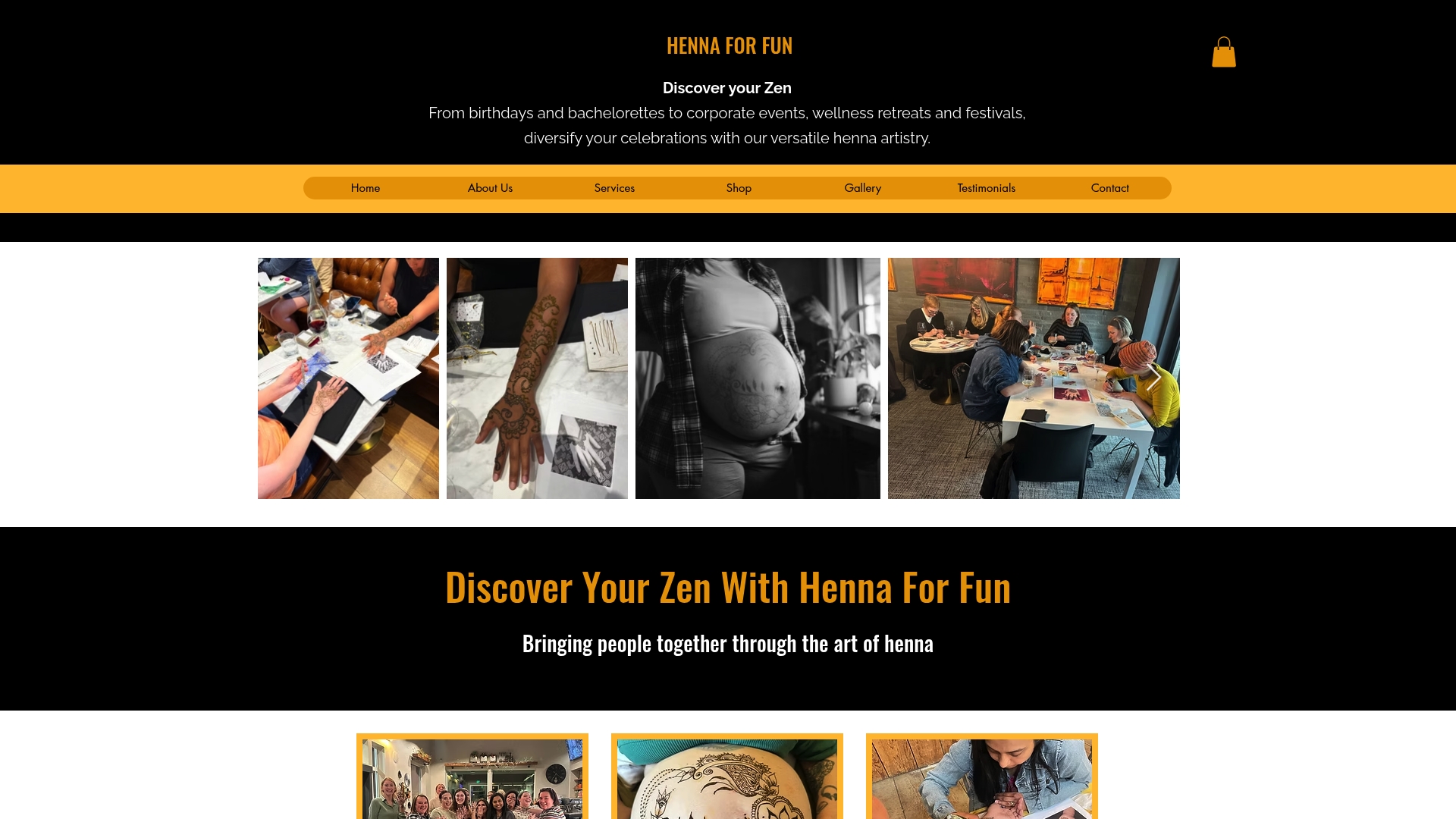
For expectant guests, our pregnancy henna services start at $89 for a baby shower package, and we also offer maternity photoshoot sessions. If you’d rather learn the craft yourself, our henna lessons run from a 3-day course at $111 to a 5-day course at $179, plus a dedicated class on henna mixing and cone making for $99.
Check the calendar of upcoming public events to join a scheduled Whenna night.
Reach out through our services page to book a private party or corporate workshop.
Browse handmade henna cones if you want to practice between events.
This article is general information, not a substitute for advice from a qualified doctor. Consult a qualified healthcare professional about your own circumstances before acting on anything here.
FAQ
What happens at a typical wine and henna event?
Guests arrive, get a drink, watch a quick design demo, then take turns getting henna applied while mingling for the rest of a two-hour evening. The Eventbrite listing for a Whenna night shows this exact flow at a public venue.
Is henna safe to use at a wine event?
Natural henna applied to skin is generally considered low-risk, but the FDA notes it’s approved only as a hair dye and warns against “black henna,” which often contains PPD and can cause serious reactions. A 48-hour patch test before the event reduces that risk significantly.
How do I know if an artist is using black henna?
Ask directly what’s in the paste. If an artist can’t name the ingredients or the paste promises a jet-black stain within minutes, treat that as a warning sign, since real henna stains gradually and never produces true black. Our guide to avoiding black henna covers the visual and practical differences.
Do wineries allow henna artists at private events?
Most wineries allow outside vendors like henna artists, but they typically require wine to be purchased through the venue and served by licensed staff. Confirm purchase minimums and service rules with the venue, as outlined in sample winery event policies, before finalizing your date.
How long does henna need to stay on for the best stain?
Leaving the paste on longer generally deepens the stain, and our guide to henna timing walks through the exact window for best results. Most artists recommend keeping the paste on for at least a few hours before gently removing it.
Sources
Recommended
Comments