Henna Classes for Beginners
How do you choose the right beginner henna class?
The single most important factor is class format, not price. A group workshop at $40 might feel like a deal, but if you’re the type who freezes up when you can’t ask questions freely, a private session at $80 is the better investment. Beginner workshop sessions typically cost between $40 and $80, so the price gap between formats is usually smaller than people expect.
Key criteria to evaluate before enrolling:
Instructor credentials: Look for artists who show their own portfolio publicly. A teacher who can demonstrate different styles mehndi, freehand florals, and mandala work has the range to guide you through multiple styles.
Curriculum clarity: The class description should name specific techniques, not just say “learn henna.” If it lists cone control, basic shapes, and a starter design project, that’s a real curriculum.
Format fit: Online classes work well for self-paced learners. In-person group classes suit social learners. Private sessions suit anyone who wants faster, personalized feedback.
Materials included: Some workshops supply paste, cones, and practice sheets. Others expect you to bring your own. Confirm before you book.
Scheduling: A single two-hour workshop gives you a taste. A multi-session course like the 8-session format offered by some NJ-area providers builds real muscle memory over time.
Pro Tip: Ask the provider if you can see a sample lesson outline or a photo of student work from a previous beginner class. Any instructor confident in their teaching will share this without hesitation.
Certification is a separate question. Henna artists in most US states do not need a formal license to practice body art, since henna is treated as a cosmetic or body art service rather than a regulated profession. That said, completing a recognized course gives you a portfolio and a credential you can show clients if you eventually want to work events or parties.
What skills will you actually learn in a beginner henna class?
The standard beginner curriculum builds from the ground up: cone control first, then shapes, then full designs. Rushing past the basics is the most common mistake new learners make, and good instructors know to slow that progression down.
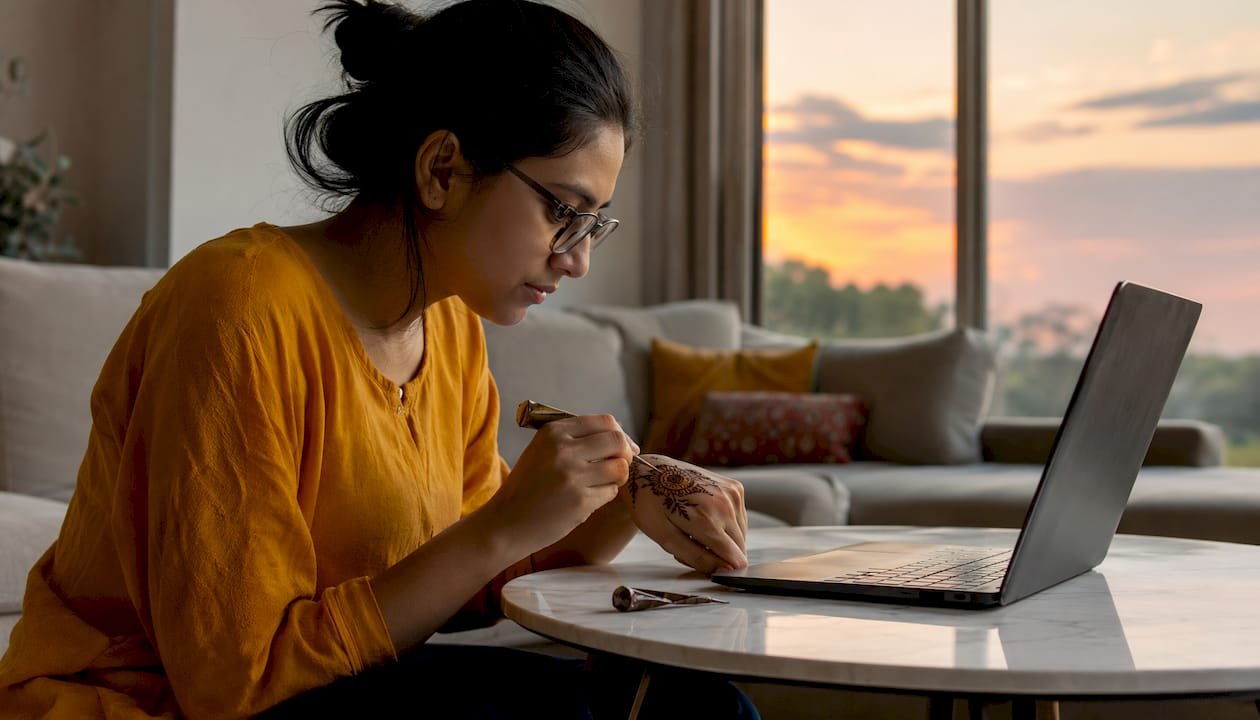
Cone grip and pressure control: How you hold the cone determines line quality. Beginners practice consistent pressure to produce clean, even lines before moving to anything decorative.
Basic shapes: Dots, straight lines, curved lines, and petals are the building blocks of every henna design. Instructors typically have students repeat these on practice sheets until the hand feels natural.
Floral motifs and mandalas: Once basic shapes are solid, classes introduce simple flowers, leaves, and mandala segments. These combine the foundational shapes into recognizable patterns.
Henna paste safety: Skin-safe, natural henna paste is brown or dark green before application and stains orange to dark brown. Classes cover what to look for in a quality paste and what ingredients to avoid, particularly “black henna,” which contains chemicals that can cause reactions.
Beginner project designs: Most classes end with a small freehand design on skin, often a simple floral wrist cuff or a finger design, so you leave with something you actually made.
Hands-on practice from the first session builds confidence faster than watching demonstrations. Providers like SARAHENNA and Cardamom & Clove Henna structure their online courses around this principle, sending students back to practice sheets between lessons.
Recommended supplies for beginners:
Natural henna cones (pre-made or DIY kit)
Practice paper or a silicone mat
Lemon juice and sugar solution (to seal designs)
Reference sheets with basic motifs
A small towel and coconut oil for skin prep
You can find starter DIY henna kits that bundle the essentials, which saves the guesswork of sourcing individual items when you’re just starting out.
Why Hennaforfun’s beginner classes stand out
Hennaforfun structures its beginner experience around two things most providers don’t combine: personalized instruction and a social context that makes practice feel worth showing up for. The private henna lessons cover fundamental techniques with direct, session-by-session feedback, so you’re not repeating the same mistake across three classes before anyone corrects it.
Private lessons tailored to your pace, with expert guidance on cone control, basic motifs, and freehand design
Whenna social events at venues like wineries and private homes, where you practice alongside others in a relaxed, creative setting
Pregnancy henna specialty, a niche that few beginner programs address, giving students exposure to body-contour design work that requires real technique
DIY kits and henna stencils available for home practice between sessions
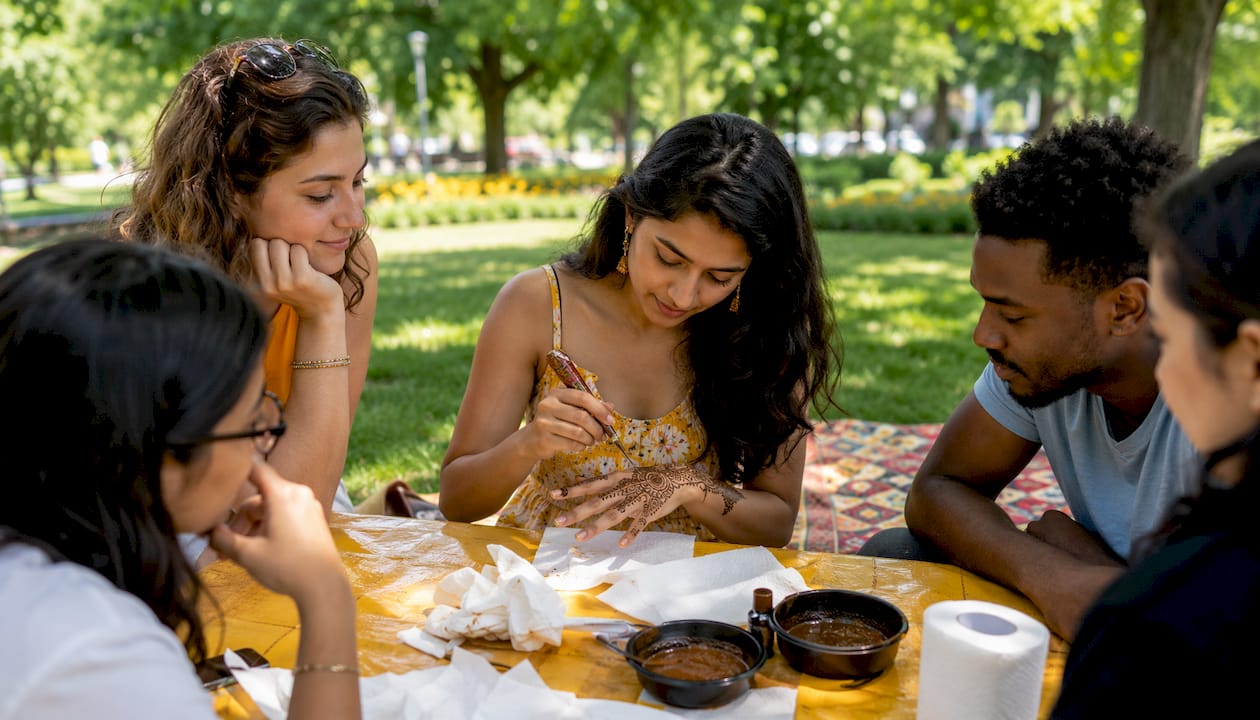
The Whenna event format is worth calling out specifically. Learning henna in a social setting, with music, conversation, and other beginners around you, removes the pressure that makes a lot of new learners tense up and grip the cone too hard. That relaxed environment is one of the reasons beginners build confidence faster in community-style workshops than in formal classroom settings.
For anyone interested in bridal beauty services alongside their henna practice, Awani Hair Braiding offers expert African hair braiding that pairs naturally with henna for events and photoshoots.
Hennaforfun offers a different kind of beginner experience
Hennaforfun isn’t a traditional henna school, and that’s the point. If the providers above feel too formal or too far away, Hennaforfun offers private and group henna lessons in the Pacific Northwest that blend skill-building with genuine fun.
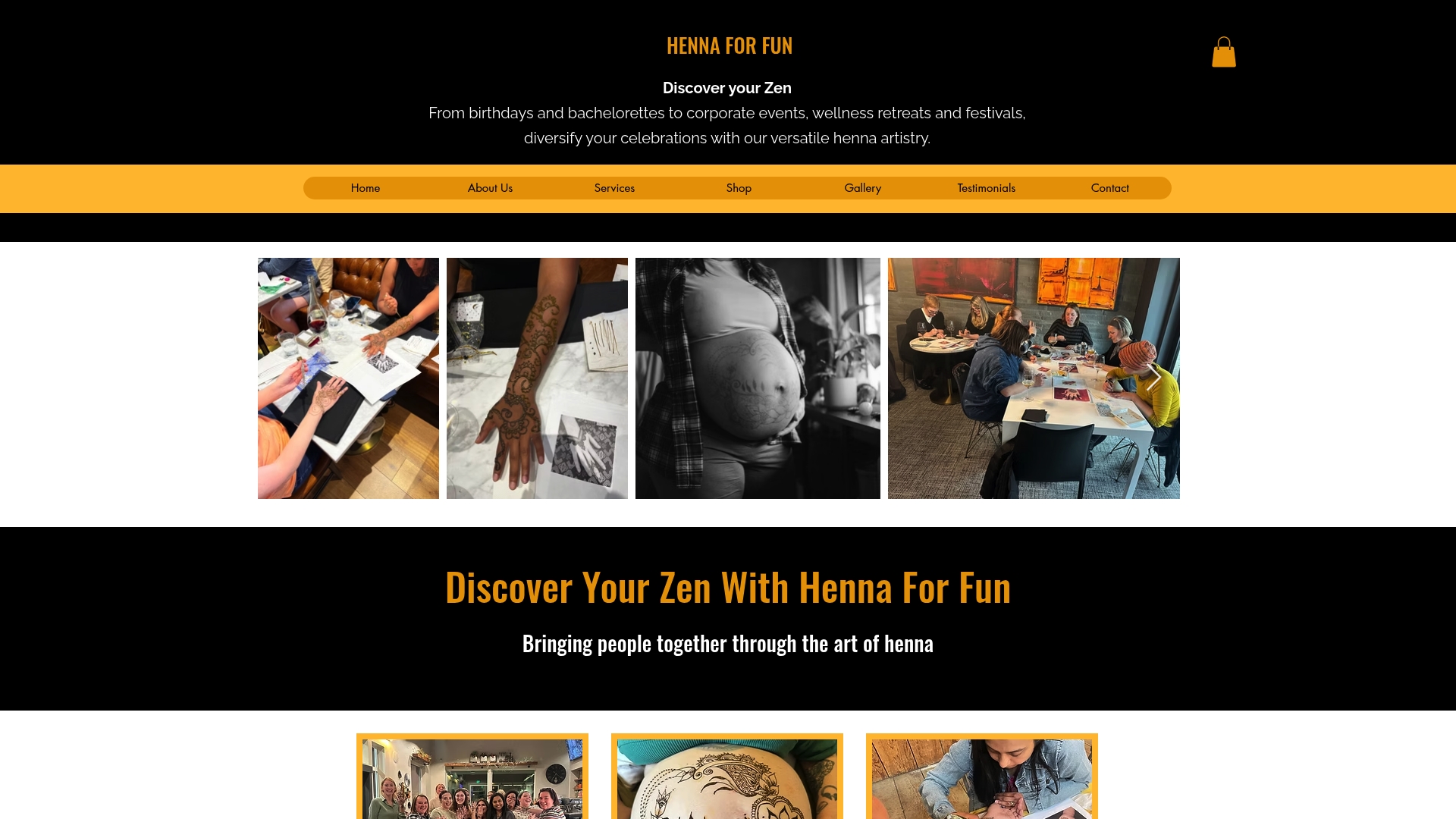
The Whenna events calendar lists upcoming social workshops where beginners practice real designs in a relaxed venue setting, no prior experience required. Private lessons go deeper, with one-on-one feedback that moves at your pace. And if you want to practice at home before committing to a full session, the DIY henna kit gives you everything you need to start building muscle memory today.
Key Takeaways
The best beginner henna class combines a clear curriculum, a format that fits how you learn, and an instructor who can demonstrate the styles they teach.
Point | Details |
Format matters most | Choose private lessons for fast feedback or group classes for social motivation before price. |
Pricing range | Beginner workshop sessions typically cost $40–$80; multi-session courses build more lasting skill. |
No license required | Most US states treat henna as body art, so no formal license is needed to practice or teach. |
Core skills to expect | Every solid beginner class covers cone control, basic shapes, floral motifs, and paste safety. |
Hennaforfun’s edge | Private lessons and Whenna social events combine structured skill-building with a creative, low-pressure environment. |
Recommended
Comments