Can You Shower After Henna? Best Practices for 2026
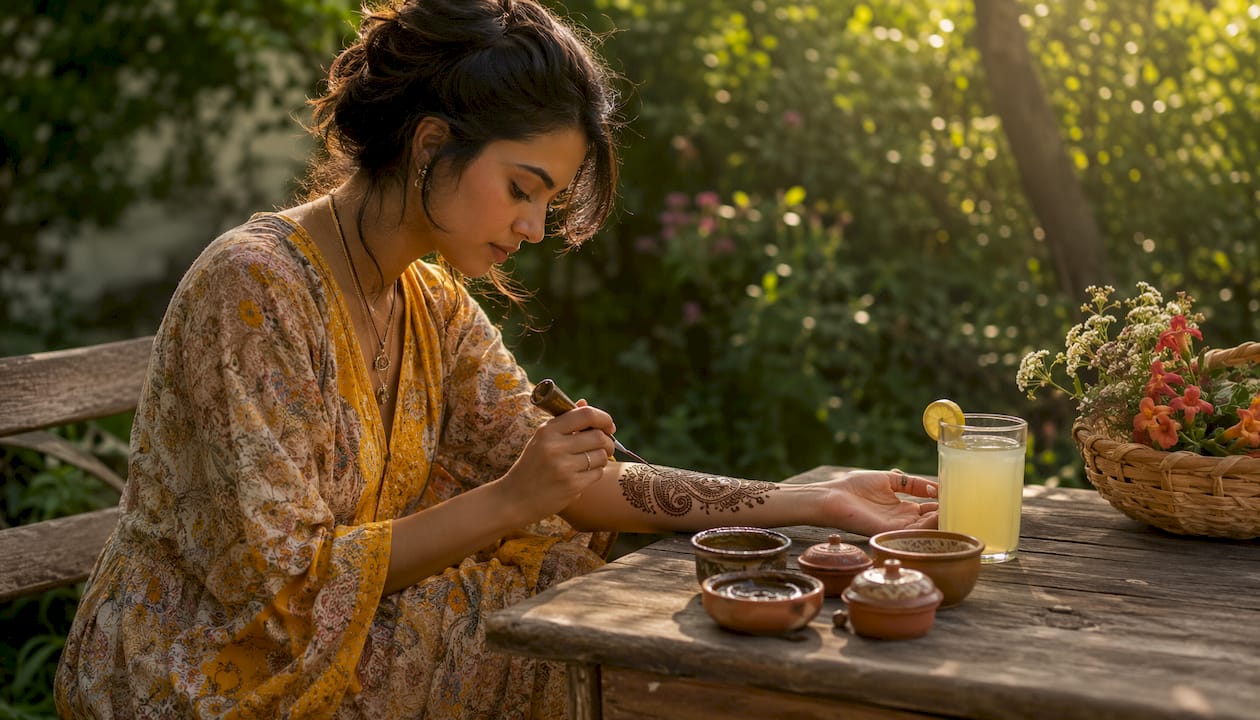
Can you shower right after henna? Here’s the short answer
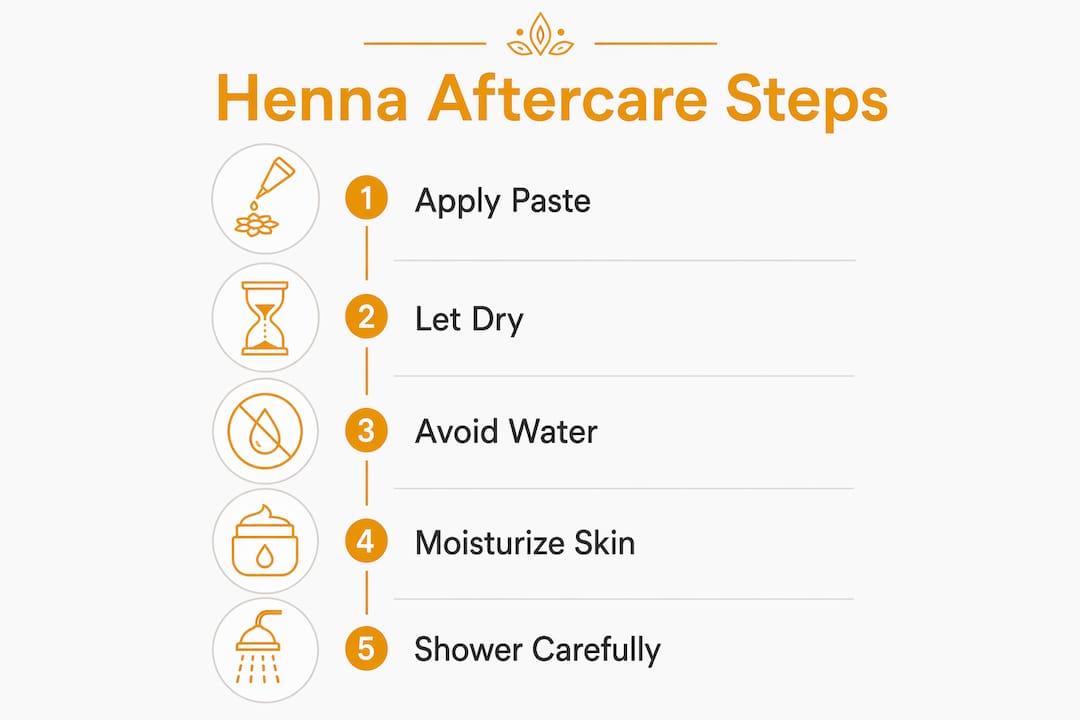
No. Showering immediately after henna application is a mistake that most people only make once. The stain needs time to develop after you scrape off the dried paste, and water is its biggest enemy during that window.
Professional guidance as of 2025 is consistent: wait after removing dried henna paste before letting water touch the design. Most professional guidance recommends waiting 12 to 24 hours, with some artists suggesting up to 48 hours for the deepest color possible. The chemistry is straightforward. Lawsone, the active dye molecule in natural henna, continues binding to the keratin in your skin for hours after the paste comes off. Water disrupts that bonding process and washes away color before it fully sets.
Key points to keep in mind right after paste removal:
Avoid all water contact on the design for a substantial period to protect the stain
Hot water is worse than cool water, but any water during this period weakens the stain
Skip the gym, pool, and dishwashing too — sweat and prolonged moisture count
If you absolutely must shower sooner, apply a thick layer of coconut or olive oil and cover the design with plastic wrap before stepping in
How to shower after henna without wrecking the design
Once you have cleared the 24-hour mark, or 12hour mark at the least, showering is fine with a few adjustments. The goal is to treat the hennaed skin gently until the design naturally fades over the coming weeks.
Use lukewarm or cool water. Hot water softens skin and pulls the stain out faster. A cool, quick rinse is always better than a long, steamy shower.
Apply a natural oil barrier first. Coconut oil or olive oil creates a layer between the stain and the water. Rub it over the design before you step in, and the water beads off rather than soaking in.
Skip the soap and scrubbing on the design. Wash the rest of your body normally, but rinse the hennaed area with water only. Loofahs and exfoliating scrubs will strip color fast.
Keep it short. A brief shower does far less damage than a 20-minute soak.
If you need to shower before 24 hours, apply a generous oil layer, wrap the design in plastic wrap, and avoid direct water pressure on that area. This oil-plus-wrap method is a reliable emergency option.
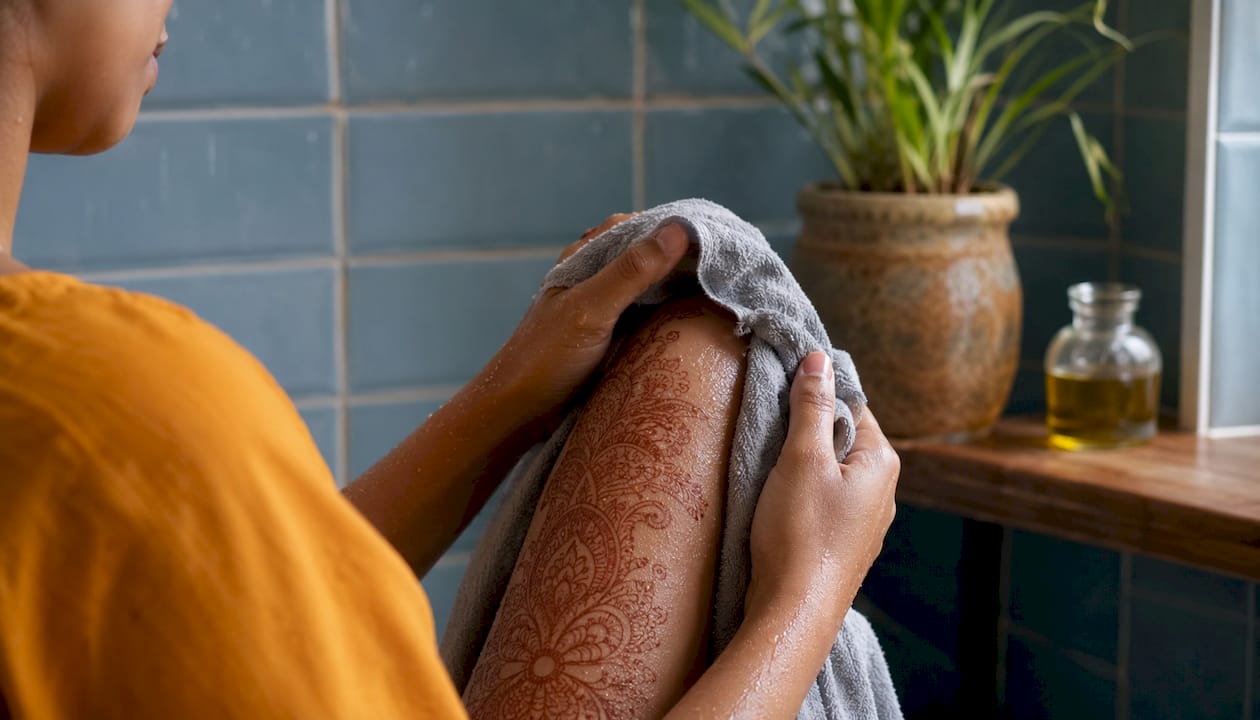
Pat dry, never rub. After showering, press a towel gently against the skin. Rubbing is essentially light exfoliation, and it shortens the life of the stain.
Pro Tip: Henna artist Joshua Wilkinson recommends thinking of post-henna showers as a moisture management exercise rather than a normal wash. Keep the water cool, the time short, and the design oiled, and you will lose very little color.
Common myths about getting henna wet
A lot of anxiety around showering with fresh henna comes from half-truths. Here is what actually holds up.
Myth: One shower immediately after application permanently ruins henna. Not quite. A single brief rinse with cool water within the first few hours will fade the stain, but it will not erase it entirely. The real damage comes from repeated early exposure or hot water.
Myth: Bathing and showering carry the same risk. They do not. Prolonged soaking in a bath softens the skin and dissolves surface stain far more aggressively than a short shower. Avoid baths entirely for the first few days.
Myth: Lotion is fine to use right away. Most commercial lotions contain alcohol or sulfates that interfere with stain development. Stick to plain natural oils like coconut or olive oil for the first 24 hours. After that, fragrance-free moisturizer is fine and actually helps the design last longer by keeping skin hydrated.
Myth: Black henna follows the same rules. It does not. Black henna typically contains para-phenylenediamine (PPD), a synthetic chemical that carries real skin-reaction risks. The aftercare rules above apply to natural henna only. If you have black henna, consult the artist about specific care and watch for any irritation.
Concern: Can you put henna on your face? Natural henna is generally considered safe for facial skin, but the face tends to be more sensitive and sweats more, which speeds fading. Keep water off facial designs for the full 24-hour window.
Trusted U.S. henna providers worth knowing
Finding an experienced artist matters as much as following aftercare rules. Two providers stand out for their local presence and commitment to educating clients.
ROYAL HENNA By NEHA operates in Piscataway, New Jersey, and has built a recognized reputation as a trusted regional resource for henna art. Clients there get hands-on guidance about aftercare alongside the application itself.
Hennaforfun serves the Pacific Northwest, offering Whenna Events at wineries, homes, and corporate venues, along with dedicated Pregnancy Henna sessions for expectant parents. What sets Hennaforfun apart is the educational layer built into every experience. Private and group henna art lessons cover not just technique but also proper aftercare, so clients leave knowing exactly how to protect their design. For anyone who wants to practice at home, Hennaforfun’s DIY henna kits include the supplies needed for a clean application and a stain that actually develops the way it should.
Both providers reflect a broader shift in U.S. henna culture toward informed, sustainable practice, where aftercare knowledge is part of the art itself.

Ready to experience henna done right? Hennaforfun’s private lessons and events give you the skills and aftercare knowledge to get the most out of every design.
Key Takeaways
Waiting a full day before showering after henna is the single most effective step for achieving a deep, long-lasting stain.
Point | Details |
Wait before showering | Avoid water on the design for at least 12 to 24 hours after removing dried paste. |
Oil is your best barrier | Apply coconut or olive oil before showering to protect the stain from water. |
Cool water only | Hot water strips henna color faster; always use lukewarm or cool water. |
Skip baths entirely | Prolonged soaking softens skin and fades the stain far more than a brief shower. |
Natural henna vs. black henna | Aftercare rules above apply to natural henna only; black henna carries separate safety concerns. |
Recommended
Comments