4 Week Prenatal Relaxation Plan and 10 Minute Practices with Henna

The most effective prenatal relaxation activities are breathing exercises, progressive muscle relaxation, prenatal yoga or mindfulness, gentle movement like walking or water exercise, massage, music, and calming creative practices such as pregnancy henna. Pick two or three that fit your energy and schedule. If you have preeclampsia, preterm labor signs, or a high-risk pregnancy, check with your clinician before starting anything new.
TL;DR:
Pregnancy yoga, especially with 12 or more sessions, shows the most significant reduction in anxiety, depression, and perceived stress.
Water-based activities like walking or water aerobics are recommended for joint pain or swelling, with modifications after the first trimester.
Relaxation practices are generally low risk but should be avoided with high-risk conditions such as preeclampsia or placenta previa, and warning signs require immediate medical attention.
Incorporating a brief daily routine of breathing, muscle relaxation, or creative activities can build ongoing stress relief, with tracking helping identify what works best.
Group henna sessions provide a tactile, calming activity that also encourages relaxation by combining physical and sensory cues.
Table of Contents
Which prenatal relaxation activities fit your situation?
Not every technique works for every trimester, energy level, or comfort zone. Here’s how to match the activity to what you actually need right now.
Breathing exercises: best for acute stress spikes (a tense meeting, a contraction scare) and can be done anywhere in under five minutes.
Progressive muscle relaxation (PMR): ideal for bedtime, since it works through the body systematically and tends to trigger sleepiness.
Prenatal yoga or gentle mindfulness: best for building longer-term resilience against anxiety, especially with a consistent weekly practice.
Walking or water aerobics: suited to joint pain and swelling, since water takes pressure off the hips and lower back.
Prenatal massage: works well for muscle tension and circulation, particularly in the third trimester when side-lying positions become necessary.
Music and calming audio: low effort, works passively during chores or commutes, and pairs well with any other practice on this list.
Creative activities like henna: best for people who relax through their hands, not through stillness.
Adapt as you go: swap floor poses for chair-supported versions after the first trimester, and shorten sessions on low-energy days rather than skipping them entirely.
What the research says about relaxation and pregnancy
Pregnancy yoga has some of the strongest data behind it. A meta-analysis of 29 studies covering 2,217 women found meaningful drops in anxiety, depression, and perceived stress, with bigger effects in programs running 12 or more sessions. Shorter, one-off classes still help, but they don’t seem to carry the same staying power.
Mind-body approaches broadly, including mindfulness, cognitive behavioral techniques, and relaxation training, produced a large reduction in antenatal stress across 28 trials with almost 2,000 participants, and programs lasting four to eight weeks performed best in subgroup comparisons. A separate review of 32 studies involving nearly 4,000 women linked relaxation interventions to lower stress and depressive symptoms, plus a modest bump in birth weight, though the studies varied enough in design that the birth outcome findings should be read as promising, not settled.

Safety rules and warning signs to know first
Relaxation practices are low risk for most healthy pregnancies, but a few adjustments matter. Skip hot yoga, hot tubs, and anything that raises your core body temperature, and avoid positions that risk a fall or a direct hit to the belly. After the first trimester, ditch flat-on-your-back poses in favor of side-lying or propped positions. The CDC’s pregnancy travel guidance also flags heat exposure and blood clot risk as reasons to build in rest breaks and stay hydrated during any activity.
Talk to your clinician before starting a new relaxation routine if you have signs of preterm labor, placenta previa, preeclampsia, or another high-risk diagnosis. Your provider may still clear gentle versions of these practices, but the modifications matter more in those cases.
Watch for these warning signs and get medical care right away:
Severe or persistent headache
Vision changes or swelling in the face and hands
Vaginal bleeding or fluid leakage
Overwhelming fatigue that doesn’t improve with rest
The CDC’s Hear Her campaign specifically lists overwhelming tiredness among the urgent signs pregnant people should never brush off, since it can point to something more serious than normal pregnancy exhaustion.
A simple 4-week plan to start relaxing today
You don’t need an hour a day. A short, consistent routine beats an ambitious one you abandon after a week.
Week 1: Practice diaphragmatic breathing for five minutes every morning, plus one 15-minute PMR or gentle yoga session.
Week 2: Add a second longer session, so you’re doing daily breathing plus two 15 to 20 minute sessions of yoga, mindfulness, or PMR.
Week 3: Stretch your longer sessions to 20 to 25 minutes and add a 20 minute walk or pool session three times a week, in line with the CDC’s activity guidelines for healthy pregnancies.
Week 4: Keep three longer sessions weekly and add one calming creative activity, like a henna design or a guided imagery track, on a day you’re not doing anything else.
Adjust intensity by trimester and energy level rather than by the calendar. Pro Tip: Track three things each night on your phone: mood, sleep quality, and stress level on a 1 to 10 scale. After two weeks, you’ll see which activities actually move the numbers for you.
Six quick practices to try in 10 minutes or less
Sometimes you need relief now, not a four-week program. These work in a bedroom, a break room, or a parked car.
Diaphragmatic breathing (3 to 5 minutes): Sit tall or lie on your side, one hand on your belly, and inhale slowly through your nose so your hand rises. Exhale twice as long as the inhale.
Bedtime PMR (5 minutes): Tense and release each muscle group from your feet to your face, holding tension for five seconds before letting go.
Guided imagery (10 minutes): Picture a specific calm place in detail, using all five senses, then walk yourself slowly back to the room.
Seated yoga sequence (10 minutes): Do gentle seated twists, neck rolls, and shoulder shrugs to release upper-back tension without floor work.
Water relaxation (10 minutes): Float or walk slowly in a pool, letting the water support your weight and take pressure off your joints.
Music and journaling ritual (10 minutes): Play a slow playlist and jot down three things stressing you and one small step for each.
Pregnancy henna: a creative option worth trying
Working with your hands has a way of quieting your head that stillness sometimes can’t match. Applying or receiving henna gives you a slow, repetitive, tactile focus, similar to what mindfulness-based art exercises rely on, and it doubles as a way to mark the pregnancy itself rather than just cope with it.
Safety matters here too. Stick to natural henna paste, never black henna, which can contain harsh chemicals linked to skin reactions, and ask for a patch test plus a low-fragrance mix if you have sensitive skin. Henna For Fun built its Pregnancy Henna offering around exactly this need, and its guide on pregnancy-safe henna designs covers what to ask for before you book.

A practitioner’s take on relaxation that actually sticks
Group henna sessions have a strange effect: people arrive tense and leave noticeably looser, not because the design itself is magic, but because sitting still for twenty minutes with someone’s hand on your arm forces your nervous system to slow down. The best tip I can offer is to pair one physical practice with one sensory ritual, like slow breathing plus a favorite playlist, so your body has two cues instead of one. Still, no article replaces your own provider. If anything about your pregnancy feels uncertain, ask before you try something new.
— Angana
How Henna For Fun helps you build relaxation into your pregnancy
Some options turn relaxation into something you can look forward to, not just another task on a wellness checklist. Where a solo meditation app asks for willpower, a henna session gives you a reason to sit still: a design taking shape on your skin, a friend beside you, twenty quiet minutes that pass without effort.
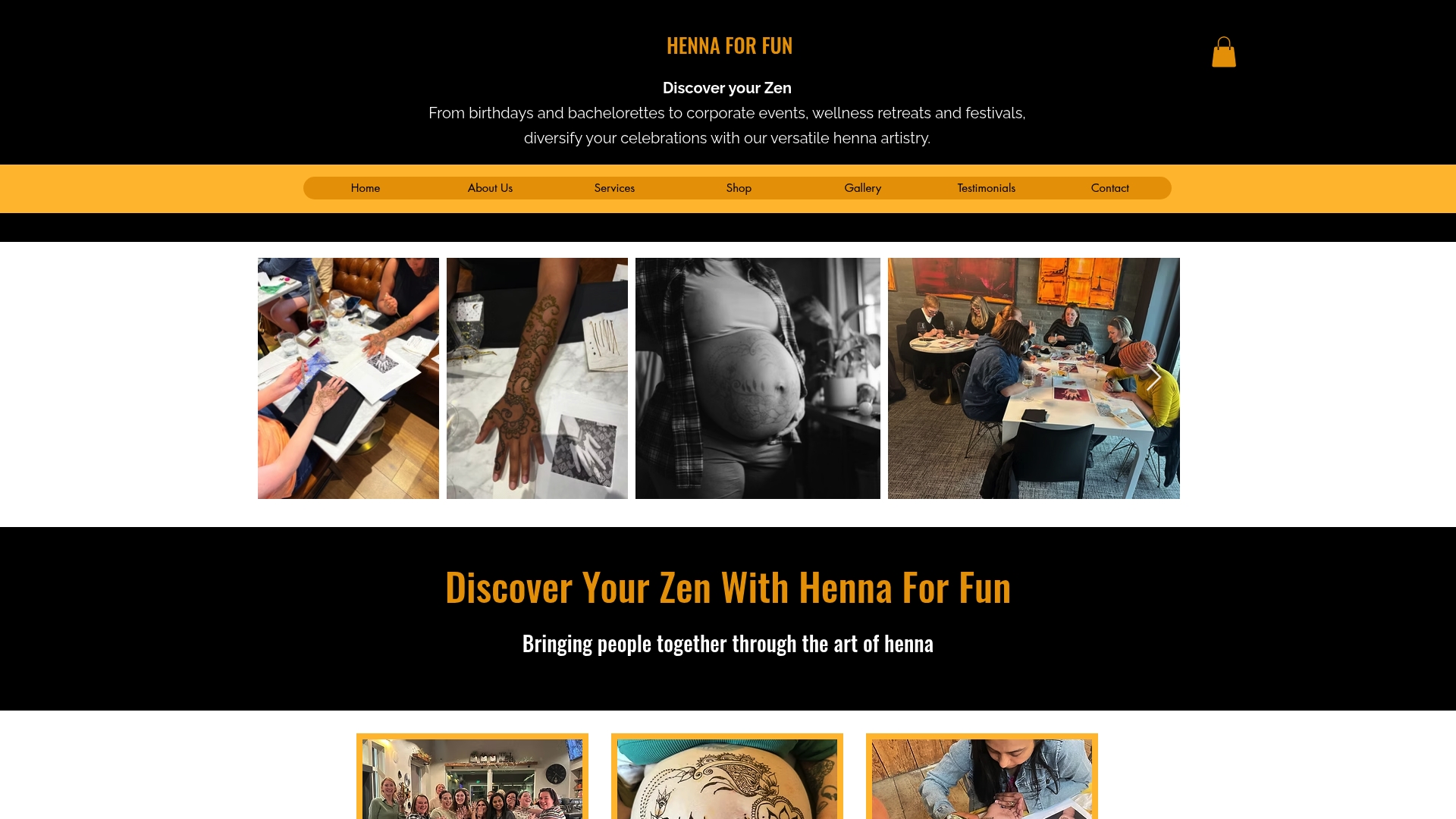
If you want a shared experience with your partner or friends, a Whenna Event starts at $25 per participant for the Basic option. For a more personal, one-on-one session built specifically around pregnancy, the Pregnancy Services page lists Baby Shower options starting at $89, plus maternity photoshoot add-ons. Prefer to relax at home on your own schedule? The DIY Henna Kit gives you safe materials to try it yourself. Whichever route fits your comfort level, check with your clinician first if you have any pregnancy complications, then book the session that matches how you want to spend your twenty minutes of calm.
Sources
This article is general information, not a substitute for advice from a qualified doctor. Consult a qualified healthcare professional about your own circumstances before acting on anything here.
FAQ
What are some relaxing activities I can do during pregnancy?
Breathing exercises, progressive muscle relaxation, prenatal yoga, walking or water aerobics, massage, music, and creative practices like henna all show benefits in research on antenatal stress. Pick activities based on your energy level and trimester, and adapt positions as your belly grows.
What are some rare pregnancy complications to watch for?
Rare but serious complications include preeclampsia, placenta previa, and preterm labor, all of which require clinician oversight before starting new physical activities. If you notice warning signs like severe headache, vision changes, or overwhelming fatigue, seek medical care immediately rather than waiting it out.
Why is hummus sometimes flagged as a concern during pregnancy?
Hummus itself isn’t dangerous, but some traditional recipes use raw tahini or unpasteurized ingredients that carry a small listeria risk. Store-bought hummus from a refrigerated case is generally considered safe when kept fresh and eaten before its expiration date.
What is the 3 month pregnancy rule people mention?
This usually refers to the common guidance to wait until after the first trimester before announcing a pregnancy publicly, since miscarriage risk drops significantly after that point. It’s a social convention, not a medical requirement, and some people choose to share earlier or later based on their own comfort.
How much does a Henna For Fun pregnancy session cost?
Baby Shower henna options start at $89, and group Whenna Events for pregnancy celebrations start at $25 per participant, both listed on the Pregnancy Services page. Maternity photoshoot pricing is available on request through the same booking page.
Recommended
Comments