Run These Inclusive, Low Cost Library Program Ideas This Week

Here are ready-to-run library program ideas organized by audience and staffing level so you can pick a plan and implement it this week. The list covers toddlers through adults, flags which ideas work with one volunteer and which need two staff, and folds in inclusion tactics and quick evaluation methods, so the programs you choose actually show their value, not just their headcount.
TL;DR:
Most programs can be scaled down by using reusable materials, volunteer support, and partnerships to stay within limited budgets and staffing.
Passive activities like craft kits and puzzles require minimal staff, but must be well-organized with clear signage and restock schedules to work effectively.
Designing inclusive programs with sensory supports, captioning, and accessible signage increases participation and belonging for diverse audiences.
Short exit surveys and tracking repeat attendance provide better measures of program impact than headcounts alone.
Henna programs can be booked through Henna For Fun, offering drop-in booths, workshops, or multi-session courses suitable for various audiences and events.
Table of Contents
How to pick a library program idea fast
Match the idea to what you actually have on a given day: time, hands, and budget, not the other way around. A program with high prep but low staffing on the day, like pre-made craft kits, suits a short-staffed week, while a live demo or multiweek series needs steadier coverage.
Prep level: low means grab-and-go with items already on hand, medium means an hour of setup, high means ordering supplies or recruiting a presenter in advance.
Staffing: volunteer-run means a teen or community volunteer can supervise, 1 staff covers most one-off programs, 2+ staff fits multiweek series or anything involving tools, food, or body art.
Drop-in vs. registration: choose drop-in for passive or station-based activities where attendance is unpredictable, and registration for anything with capped supplies, a presenter, or a multiweek commitment.
Adapting across ages: keep the format (stations, a maze, a club) and swap the content, vocabulary, and sensory complexity for the age band in front of you.
Program ideas by audience
1. Early-literacy playdate for toddlers and preschoolers
Build a four-station setup around sensory play, literacy, creative art, and music or movement, an approach Programming Librarian describes for ages 1 to 5 with caregivers participating alongside their kids. Add a farmers-market role-play corner, taste-description charts, or a take-home seed kit, ideas drawn from an early literacy handout built on CSLP themes. Materials: sensory bins, board books, washable paint, simple instruments. Scale tip: hand each station to a teen volunteer so one staff member floats and troubleshoots.

2. Nonfiction games for elementary readers
Turn call numbers and text features into play instead of lecture. Library Learners suggests a musical-chairs game with nonfiction books for kindergarten through second grade, a text-features bingo card covering captions, headings, diagrams, and glossaries for grades 3 through 5, and a Dewey maze that links call numbers to a seasonal topic. Materials: bingo cards, a stack of nonfiction titles, printed maze sheets. Scale tip: laminate bingo cards once and reuse them every season with a new topic list.
3. STEAM maker stations for elementary and tween groups
Set up two or three self-guided activity stations using free templates from MIT PLIX, such as an LLM-Algorithm Arcade or OctoStudio coding demo. Materials: tablets or laptops, printed instruction cards, a sample finished project at each table. Scale tip: one trained volunteer per station means the program runs without a librarian hovering over every table.
4. Multiweek themed series for teens
A consistent weekly identity, like the branding and collectible pins used in Camp WannaRead, gives teens a reason to come back. Pair it with a zine or scrapbook session: a similar format drew about 50 participants across five sessions when supplies were donated. Materials: themed folders, craft supplies, a simple loyalty card or sticker sheet. Scale tip: reuse the branding and prize structure across seasons to cut setup time to almost nothing.
5. AI book club for teens and older adults
Pair a familiar book with a hands-on generative AI activity in small, capped groups. Programming Librarian reports one library capped a session at 10 to 12 participants, filled it with a waitlist, and added a second monthly meeting. Materials: laptops or tablets, a short discussion guide, one staff member comfortable walking participants through the tool. Scale tip: keep groups small on purpose; the intimacy is what lowers intimidation for first-time AI users.
6. Adulting 101 and after-hours programs for adults
Reach adults who work daytime hours with evening or weekend sessions on practical skills: budgeting, job prep, housing, or online information literacy, alongside lighter formats like an after-hours lock-in or escape room. Programming Librarian notes these need advance planning for liability, permissions, and marketing, and that attendance tends to be modest but repeatable. Materials vary by topic; escape rooms need printed clues and simple locks. Scale tip: partner with a local nonprofit or financial counselor to cover the expert role.

7. Drop-in activity hubs for family and all-ages days
Set out several self-guided stations: seed bombs, bird feeders, recycled crafts, coloring, or a coding demo built on free MIT PLIX activities, which are designed to run with teen-volunteer support rather than constant staff attention. Materials: recycled materials, seed packets, craft supplies, one tablet per coding station. Scale tip: rotate two or three stations per visit instead of running all of them every time, which keeps prep light and the lineup feeling fresh.
Passive and low-staffing program ideas
Passive programs run themselves once they are set up, which makes them the first thing to add on a short-staffed week. Take-home craft kits, a rotating puzzle swap shelf, a book-bingo card tied to seasonal reading, a photo contest with a simple drop-box entry, and a suggestion board or interactive display all work without a staff member present.
Prep: assemble kits in batches, label clearly with age range and instructions, and set a weekly or biweekly restock schedule.
Staffing: a teen volunteer can handle restocking and tidying the display during a regular shift.
Promotion: pair each passive program with simple signage at the entry point, a social media post, and a line item on the digital events calendar so patrons know it exists.
Making programs inclusive and low-friction
Renee Kitson’s framework in Endnotes treats joy as a measure of equity: programs work better when participants have real choices and feel they belong, not just when they show up. That means building in multiple ways to participate rather than one correct way to do the craft or finish the activity.
Offer sensory supports like noise-reducing headphones, a quiet corner, or a visual schedule posted at the entrance.
Caption videos and provide alternate materials for participants who need a different entry point to the same activity.
Use clear, simple signage with icons alongside text so instructions do not depend on reading level alone.
Invite feedback from an advisory group, and partner with local disability-serving or cultural organizations, a step ALA research recommends for culturally responsive programming.
Pro Tip: Ask one open-ended question at the end of a program, like “what would have made this easier for you,” and you will find friction points no planning meeting ever catches.
Scaling programs for tight budgets and small staff
Most of the ideas above scale down without losing their shape if you build around reusable systems instead of one-off purchases.
Stock a rolling cart of reusable station supplies so setup for drop-in days takes minutes, not an hour of shopping.
Recruit teen volunteers for setup, station monitoring, and restocking passive displays.
Partner with schools, nonprofits, or local artists who can present a session in exchange for exposure rather than a fee.
Lean on donated supplies and Friends of the Library funding for anything with a real materials cost, and share equipment with a neighboring branch when possible.
Measuring impact beyond headcount
Attendance numbers tell you that people showed up, not whether the program worked. A short exit ticket, three questions on an index card asking what participants learned, what they made, and whether they felt welcome, gives you a read on quality in under a minute per person.
Collect short participant stories or photos, with permission, as qualitative evidence alongside the numbers.
Track repeat attendance for series programs as a signal of real engagement, not just initial curiosity.
Compare outcomes across program types, passive versus multiweek series versus one-off events, instead of judging everything by the same attendance bar.
Case summaries from the Institute of Museum and Library Services describe programming effects on wellbeing, isolation, and skill-building that a headcount alone never captures, which is exactly why a mix of qualitative and quantitative signals works better than either alone.
Running a henna program at your library
A henna booth or workshop fits family days, teen programs, and pregnancy-focused events alike, and it photographs well for your next newsletter. Formats range from a drop-in booth where patrons walk up for a quick design, to a scheduled mini-workshop, a teen henna-arts club, or a pregnancy henna demo tied to a baby-shower or maternal-health program.
Keep a supply list on hand: henna cones, stencils, wipes, and a patch-test station, and skip anything marketed as black henna, which carries known skin risks.
Budget 30 to 60 minutes for setup and cleanup, and get written consent for body art on minors.
Decide upfront whether a volunteer artist or a hired professional runs the table, since a hired artist frees staff to manage the rest of the event.
Add a quiet table for sensory-sensitive participants and a paper-stencil station for anyone who wants a no-mess option.
Send participants home with a simple DIY kit so the experience continues past the event. Resources on the craft and safety side of body art, including a partner guide to tattoo culture and a roundup of henna references, are worth a look when you are building out program notes.
Why choice and belonging beat novelty in programming
The strongest library programs are not the flashiest ones. They are the ones patrons recognize and return to, which is why a branded series like Camp WannaRead builds more loyalty than a single standout event ever could. Joy is not decoration on top of a program, it is the design choice that determines whether someone with less confidence, less time, or a disability decides to walk in at all.
Treat every program as a draft. The exit ticket you hand out this week should change what the station looks like next month, not just confirm that people showed up.
— Angana
Henna For Fun: a booking option for library events
If a henna program sounds right for your next family day, teen night, or pregnancy-focused event but you would rather not train a volunteer artist from scratch, Henna For Fun books Whenna Events for public and private gatherings, along with pregnancy henna sessions suited to baby-shower or maternal-health programming and corporate-style workshops that translate well to a library setting.
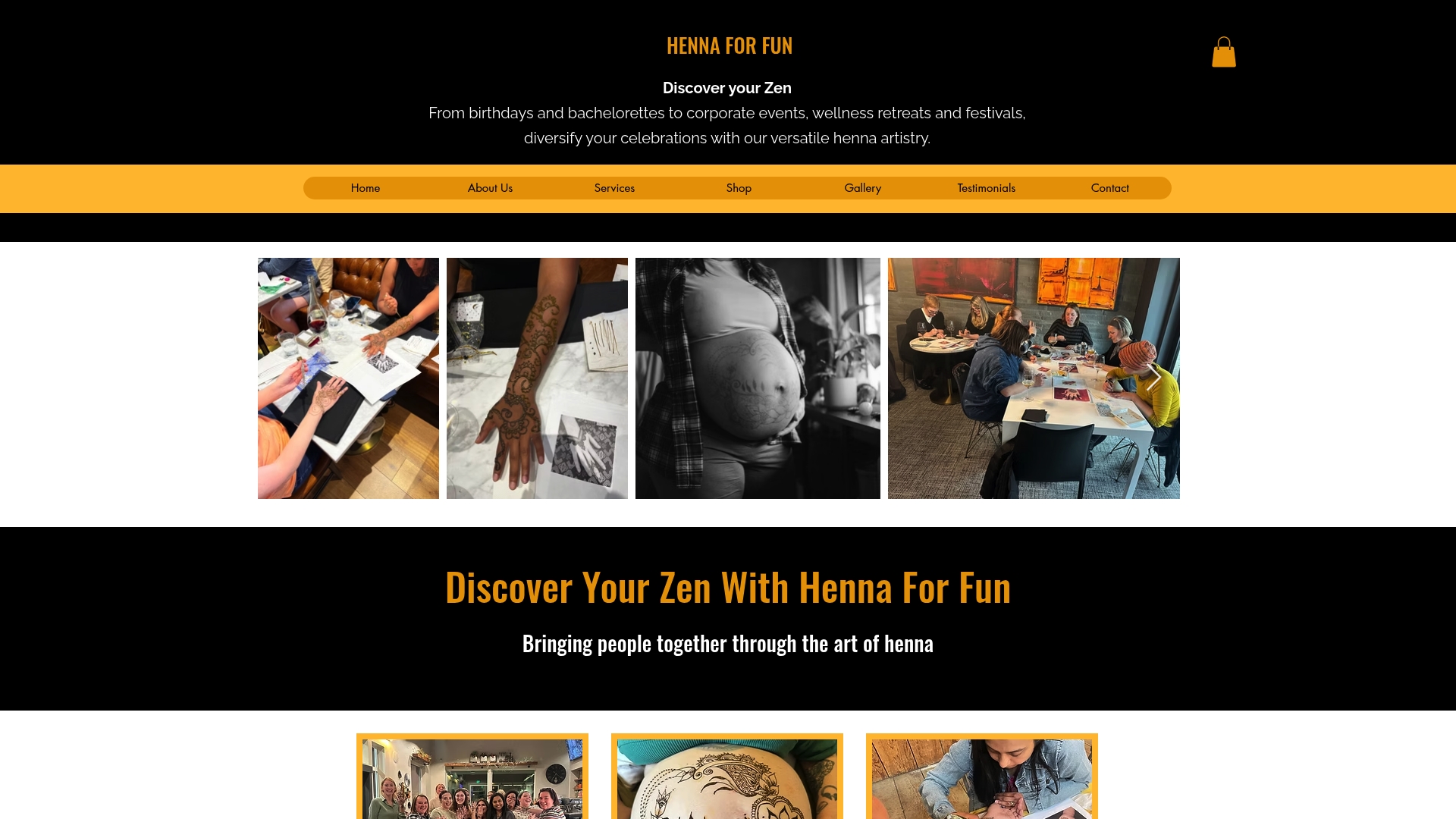
Whenna Events cover drop-in booths and scheduled sessions; current pricing details are available on the Henna For Fun website.
Pregnancy henna packages are suited for family programs built around new parents; current pricing details are available on the Henna For Fun website.
Private lessons, including multi-day courses, suit libraries wanting a teen or adult henna-arts club that builds real skill over several sessions; current pricing details are available on the Henna For Fun website.
Expect a short setup window, materials provided, and a steady participant flow rather than a rushed line. Check current formats and book a date through the Whenna Events page.
Where to find more program details
For deeper lesson plans and inclusive-design guidance, start with Programming Librarian for case studies, MIT PLIX for STEAM activities, and the SCLS early literacy handout for toddler programming templates.
Sources
FAQ
What are some ideas for library projects?
Strong library project ideas include a four-station early-literacy playdate for toddlers, nonfiction bingo and Dewey mazes for elementary readers, a multiweek themed series or AI book club for teens and adults, and drop-in STEAM or craft stations for family days. Each scales up or down depending on available staff and budget.
What are some DIY library programs for adults?
Popular DIY adult programs include scrapbook or zine-making sessions, an Adulting 101 series on budgeting and job skills, wellness-focused meetups like a memory cafe, and themed evening events such as trivia or an after-hours escape room. A multiweek branded series, like the Camp WannaRead model, tends to build stronger repeat attendance than one-off events.
What are some ideas for passive library programs?
Passive programs that run without staff supervision include take-home craft kits, a rotating puzzle swap, book-bingo cards, a photo contest with a drop-box entry, and an interactive suggestion board. They work best with a clear restock schedule and simple signage directing patrons to them.
What are some cool ideas for a library?
Standout options include drop-in STEAM stations using free MIT PLIX activities, a teen AI book club paired with hands-on tech support, and a bookable henna booth or workshop for family or teen events. Pairing a familiar format with a new tool, like books and generative AI, tends to draw curious first-timers without feeling intimidating.
How do I evaluate whether a library program worked?
Short exit tickets asking what participants learned, made, and whether they felt welcome give a quick read on quality beyond a simple headcount. Tracking repeat attendance for series programs and collecting photos or stories, with permission, adds evidence that attendance numbers alone miss.
Recommended
Comments