Henna Aftercare: How to Get a Dark, Long-Lasting Stain
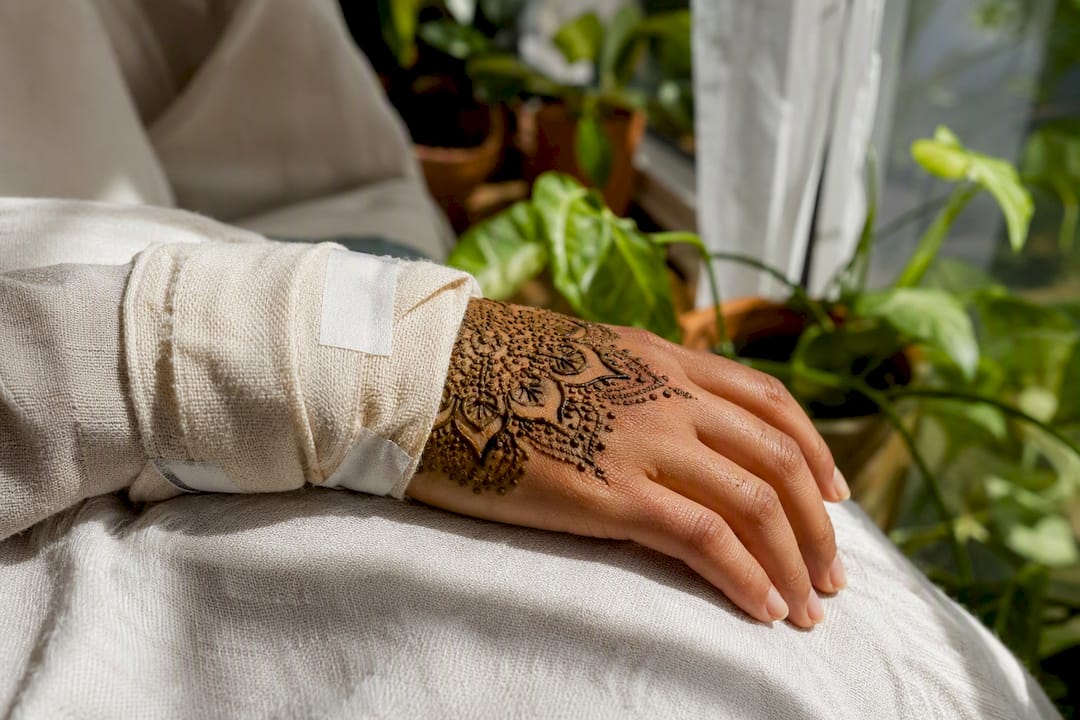
Leave the paste on as long as you can stand it, ideally 6 to 8 hours or overnight, seal it with a lemon-sugar mix, and keep the area warm while it dries. When it’s ready, scrape the paste off instead of washing it, then keep the design completely dry for 12 to 24 hours before you touch it with water. After that, oil it daily and stay away from chlorine, exfoliants, and alcohol-based lotions. That’s the whole game. Everything else in henna aftercare is just the “why” behind those five moves.
Here’s the quick checklist to keep nearby:
Leave paste on 6 to 8 hours minimum, longer if you can manage it
Seal with lemon and sugar, then wrap loosely to trap warmth
Scrape or flake the paste off. Never rinse it away with soap and water
Stay dry for about half a day to a full day after removal
Oil the design daily, starting the moment you can safely apply it
Skip chlorine, scrubs, alcohol-based products, and hand sanitizer for the first two weeks
Point | Details |
Paste time drives color | Longer paste contact, ideally 6 to 8 hours, produces a noticeably deeper stain than a two-hour application. |
Dry window is non-negotiable | Water within the first 12 to 24 hours interrupts oxidation and leaves the stain patchy or pale. |
Oil, don’t lotion | Coconut, jojoba, or olive oil protect the stain; AHA lotions and alcohol-based products fade it fast. |
Key Takeaways
The darkest, longest-lasting henna stain comes from leaving paste on for hours, keeping the area dry for a full day afterward, and oiling the skin daily while avoiding chlorine and harsh chemicals.
Point | Details |
Paste-on time matters most | Aim for 6 to 8 hours or overnight rather than the minimum 2 to 3 hours. |
Scrape, don’t wash | Flake dried paste off with a dull edge and skip soap and water entirely. |
Stay dry for a full day | Avoid all water contact for 12 to 24 hours after paste removal to let the stain oxidize. |
Oil daily, skip AHAs | Coconut, jojoba, or olive oil protect the stain; alcohol and acid-based lotions fade it fast. |
Get expert help when it counts | Hennaforfun’s private lessons and Whenna Events give you artist-tested paste and aftercare techniques. |
Table of Contents
How to Care for Fresh Henna Paste: Timing, Sealing, and Warmth
The single biggest factor in how dark your henna turns out isn’t the paste recipe or the artist’s skill. It’s how long you leave it on your skin. Henna dye needs time to migrate from the paste into the top layers of skin, and that process is slow. A paste left on for two hours might give you a light orange tint that fades within a week. The same paste left on for 6 to 8 hours or overnight can produce a deep burgundy or near-black stain that holds up for weeks.
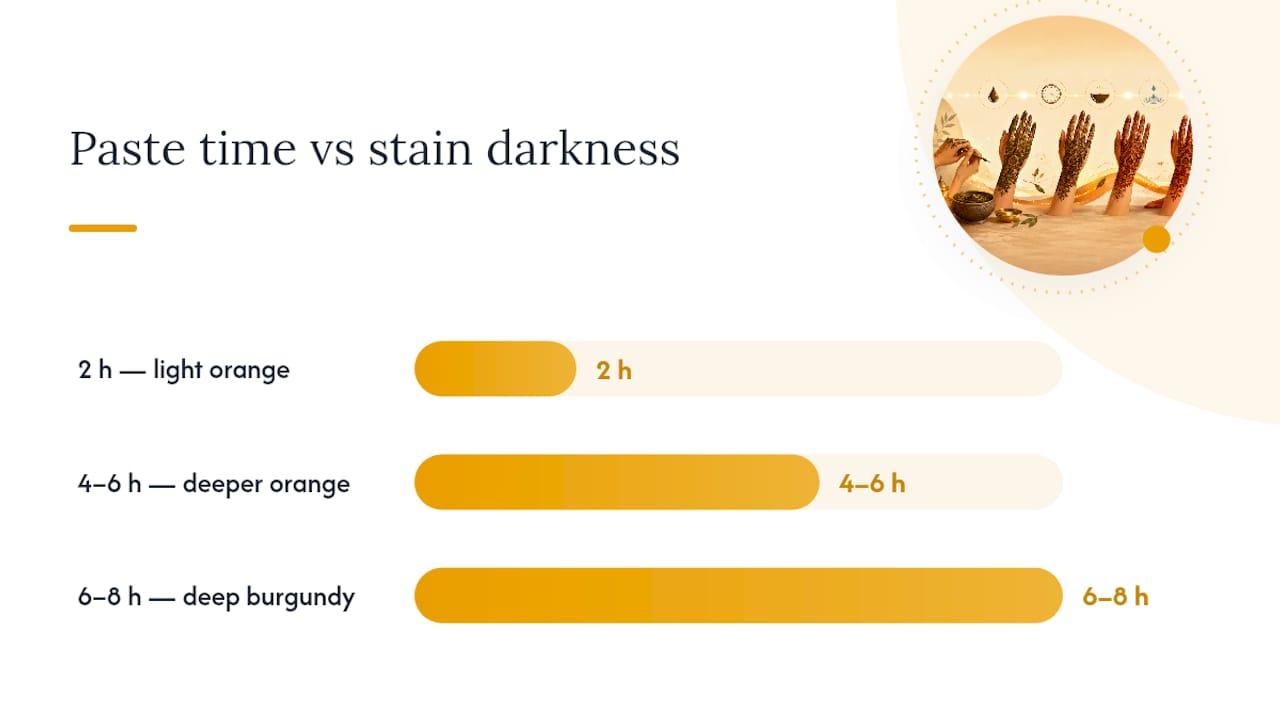
If you’re at a daytime event and can’t realistically go overnight, aim for at least 4 to 6 hours. Anything less and you’re leaving color on the table. If you can sleep in it, do it. Overnight paste-on time is the single easiest upgrade most people skip.
How to seal henna with a lemon-sugar mix:
Mix roughly 2 tablespoons of lemon juice with 1 tablespoon of granulated sugar until the sugar mostly dissolves.
Once the paste has dried and set (usually 20 to 30 minutes after application), dab the mixture lightly over the design using a cotton ball or your fingertip.
Apply a thin layer only. Too much liquid can soften the paste and cause it to smudge or slide off the design lines.
Reapply once or twice more over the next few hours if the paste starts looking dry and cracked.
The lemon-sugar trick doesn’t chemically darken the henna. What it does is keep the paste moist longer, which extends the window for dye release into your skin. Skip this step entirely if your skin is sensitive or you’ve had citrus reactions before. A plain wrap works fine as a backup.
Wrapping helps trap body heat, and warmth speeds up how quickly the dye bonds to skin. Use medical tape and toilet paper, a strip of paper towel, or a breathable cotton wrap. Avoid tight plastic wrap directly against wet paste. It can smear the design when you move. If you do use plastic, layer tissue underneath first and secure it loosely enough to breathe.
Pro Tip: If you’re wrapping a design before bed, tuck a sock over your hand or foot instead of wrapping tape directly on skin. It stays put all night and won’t tug at the paste when you shift in your sleep.
Skip hair dryers, heating pads, or space heaters pointed directly at the design. Direct heat dries the paste too fast, causing it to crack and flake off before it’s had time to release color. A wrapped hand or foot tucked under a blanket gets plenty warm on its own.
Removing Henna Paste and the First Critical Hours After
Once your paste has been on for the recommended stretch, resist the urge to wash it off. That instinct works against you.
Scrape the dried paste off gently using a dull edge like a butter knife, an old gift card, or even just your fingernail.
Work in short flicking motions rather than dragging or scrubbing, which can smear wet edges of the design.
Do this over a trash can or sink to avoid scattering crumbs everywhere. Henna paste stains fabric and carpet.
If flakes cling stubbornly, rub a small amount of oil over the area and gently wipe with a paper towel instead of reaching for soap and water.
Scraping instead of washing leaves a thin layer of dye residue on your skin, and that residue keeps working. Rinsing it away with soap short-circuits the whole process before the stain has finished developing.
Once the paste is off, you’re entering the most important stretch of the entire aftercare routine: the first 12 to 24 hours. Avoid water completely during this window. That means no handwashing with running water, no dishes, no showering that gets the design wet. Water exposure this early interrupts oxidation, the chemical process that turns the initial orange stain into a deep brown or near-black.
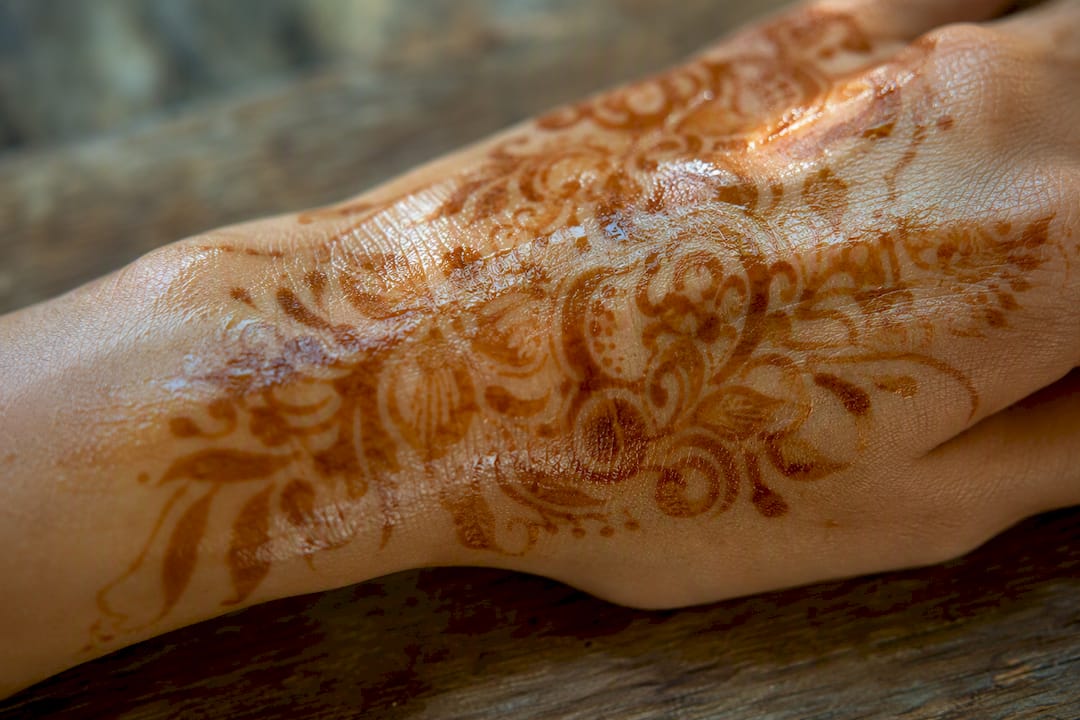
Pro Tip: Apply a thin coat of oil immediately after scraping off the paste, even before you’ve hit the 12 hour mark. It won’t stop oxidation, but it does create a barrier that protects against accidental splashes.
Daily Henna Tattoo Care During the First Week
Once you’re past the initial dry window, your daily routine becomes simple: gentle cleansing, thorough drying, and consistent oiling. This is where most people either lock in a great stain or watch a good one fade early through neglect.
Natural oils are your best tool here. Coconut oil, jojoba oil, and olive oil all work by forming a protective barrier over the stained skin that slows moisture loss and shields it from friction and minor water contact. Coconut oil is the easiest to find and tends to feel less greasy than olive oil, though any of the three will do the job.
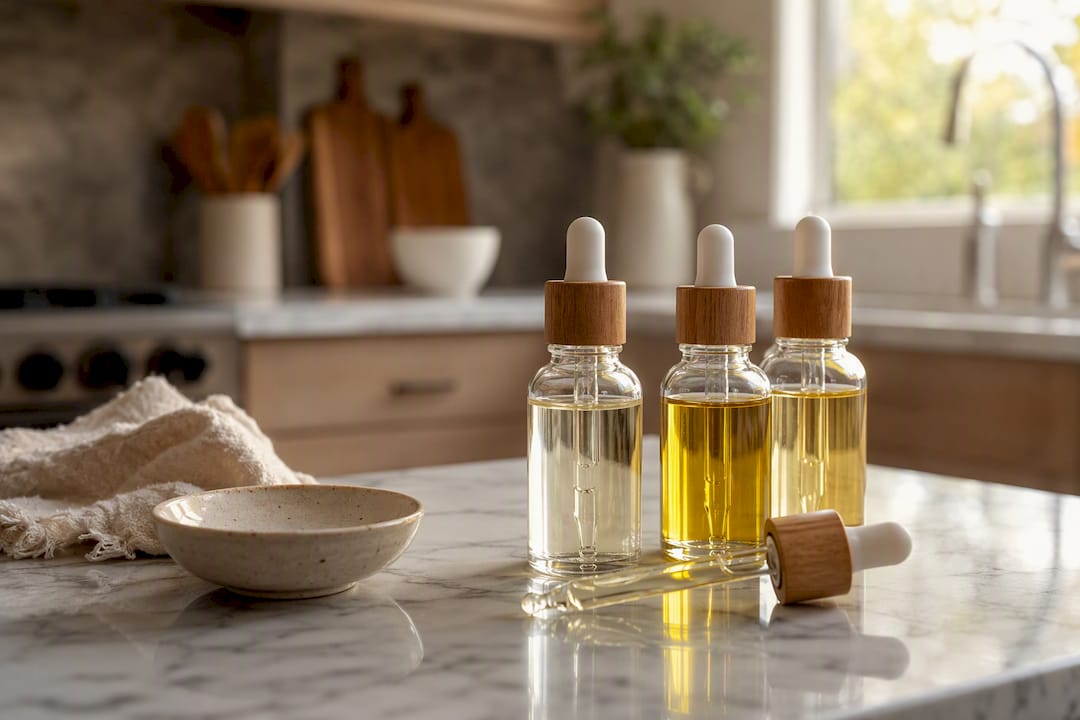
What you want to avoid is just as important as what you apply. Lotions containing alpha-hydroxy acids, retinoids, or alcohol accelerate skin cell turnover, and since henna stains live in your top layer of skin, faster turnover means faster fading. Petroleum-based products can also clog the stain and prevent it from breathing properly, so stick with plant oils over Vaseline or heavy petroleum gels.
A basic daily rhythm looks like this:
Wash gently with plain water or a mild, fragrance-free soap. Avoid scrubbing directly over the design.
Pat dry with a soft towel. Never rub the design.
Apply a thin layer of oil while skin is still slightly damp, which helps it absorb better.
Most henna guides converge on the same oil recommendations because plant oils hydrate without stripping the surface layer the way soap or alcohol does. Try to oil the design at least twice a day, more if you’re washing your hands frequently for work or cooking.
What Damages Henna Stains and How to Protect Yours
Chlorine is one of the fastest ways to strip a fresh henna stain. Pool water, hot tubs, and even heavily chlorinated tap water in some regions can noticeably lighten a design within a single soak. Salt water from the ocean isn’t much gentler. Hand sanitizer, with its high alcohol content, dries out and fades the stain every time you use it, and if you’re sanitizing your hands ten times a day, that adds up fast.
Exfoliation is the other major culprit. Loofahs, scrubs, and even a rough washcloth all remove the dead skin cells where the henna dye lives, and friction from tight clothing, gloves, or repetitive rubbing has the same effect over time.
Realistic protection tactics:
Wear a thin plastic glove for dishwashing or cleaning tasks that involve hot water and soap.
Skip pools and hot tubs for the first week if the design is somewhere visible during a swim.
Swap hand sanitizer for a quick water rinse and pat dry when possible, and use it sparingly if you can’t avoid it.
If your design gets wet unexpectedly, pat it dry immediately rather than letting it air dry, and follow up with a coat of oil.
None of this means living in fear of water for two weeks. It means being deliberate about the moments that matter most: the first day, and any activity that involves prolonged soaking or scrubbing.
Fixing Patchy Stains and Spotting Allergic Reactions
Patchy or unusually light henna almost always traces back to one of four things: naturally oily skin that resists dye absorption, a paste that didn’t sit long enough, smudging during the wet or drying phase, or low-quality paste with weak dye content.
If the stain looks uneven but you followed the timing and drying steps correctly, a small touch-up on the light patches with fresh paste is usually enough.
If the entire design came out faint despite good aftercare, the paste itself was likely the issue, and a full reapplication is your best option next time.
If you’re noticing intense itching, raised bumps, or blistering rather than just a weak stain, stop everything and treat it as a reaction, not a color problem.
Most reactions come from black henna products containing PPD (para-phenylenediamine), not natural henna paste, which explains why a bad reaction can look dramatically different from simple understaining.
If a design starts blistering or the itching feels more intense than a normal mild tingle, that’s your body telling you to stop treating it like a cosmetic issue. Rinse gently, avoid further product application, and see a doctor if symptoms spread or worsen.
A little patchiness is cosmetic. Blistering is medical. Knowing the difference matters more than getting the perfect stain.
How Long Does Henna Last and What Changes That
A well-cared-for henna design typically lasts one to three weeks, with the color reaching peak darkness 24 to 48 hours after you remove the paste. From there, it’s a slow fade as your skin naturally exfoliates over the following weeks.
Several factors shift that timeline in either direction.
Factor | Effect on Longevity |
Body location | Palms, soles, and other thick-skin areas hold stain longer than thinner skin like inner arms |
Skin type | Naturally oily or fast-exfoliating skin fades henna quicker than dry, slow-turnover skin |
Washing frequency | Frequent handwashing or dishwashing accelerates fading, especially in the first week |
Aftercare consistency | Regular oiling and avoiding harsh products extends the stain noticeably compared to no aftercare |
Palms and feet consistently hold color the longest since the skin there is thicker and sheds more slowly. If you’re planning a touch-up, the sweet spot is usually around week two, right as the color starts visibly softening but before it’s fully gone.
Practitioner Tips for Protecting Henna at Events
Working henna artists deal with this problem constantly: someone gets a design at a party, wants to keep dancing and mingling, and needs the stain to hold up without babying it all night. A few event-tested habits make that easier. Thin linework designs dry fast and rarely need a wrap, while dense, filled-in patterns benefit from a lemon-sugar seal and a loose wrap to lock in warmth overnight.
Artists at live events often recommend:
Applying oil before any water exposure becomes unavoidable, rather than after the fact.
Patch-testing a new henna paste batch on a small area before committing to a full design, especially for anyone with sensitive skin.
Wrapping overnight designs loosely with cotton or tissue rather than tight plastic, which traps moisture unevenly and can smudge fine detail.
If you want to build these skills yourself rather than relying on guesswork, Hennaforfun’s private henna lessons walk through paste consistency, sealing technique, and aftercare in person. For anyone who wants professional-grade cones to practice with at home, Hennaforfun’s handmade henna cones are built with the same paste ratios used at live events.
What an Experienced Henna Artist Wants You to Know
Most stain complaints trace back to impatience, not bad luck. People wash their hands too soon, or scrape paste off after two hours because it feels done. It isn’t. Give the paste time and give your skin a full day of rest afterward, and the result speaks for itself.
If you remember one thing from this entire routine, let it be this: oil early, oil often. Jojoba oil in particular soaks in without leaving a greasy residue, which makes it easy to reapply throughout the day without thinking twice.
— Angana
Get Professional Henna Application and Aftercare Support
A great stain starts before the paste ever touches your skin. The paste consistency, the henna-to-oil ratio, how finely it’s sifted, all of it determines how dark your design goes and how long it lasts, and that’s exactly where a hobby kit or a rushed application at a street fair tends to fall short. Hennaforfun mixes and applies paste the way working artists do, which takes the guesswork out of pigment quality entirely.

If you want that same quality without hiring an artist every time, Hennaforfun’s private henna lessons teach you paste-making, sealing, and aftercare hands-on, whether you’re a hobbyist or planning to host your own henna gatherings. Prefer to book an artist for an occasion? Whenna Events bring professional application to birthday parties, showers, and get-togethers around Seattle, Bellevue, and Snohomish, and expectant parents can explore pregnancy henna services for a personalized maternity design. For at-home practice or touch-ups between sessions, browse handmade henna cones and DIY henna stencils, or check the event calendar to see what’s coming up near you.
Sources
How to Care for a Henna Design: Aftercare Instructions — WikiHow
How to Use Henna on Skin: Apply, Remove, and Care — ScienceInsights
Henna Tattoo Aftercare: What to Do & What to Avoid — HennaKing
Henna Tattoo Care: Your Complete Guide to a Long-Lasting Design — Jotapas
Henna Tattoo Aftercare: 8 Pro Tips for Dark Stains — Henna Sooq
Recommended
Comments