30+ Employee Wellness Day Ideas HR Can Run This Quarter
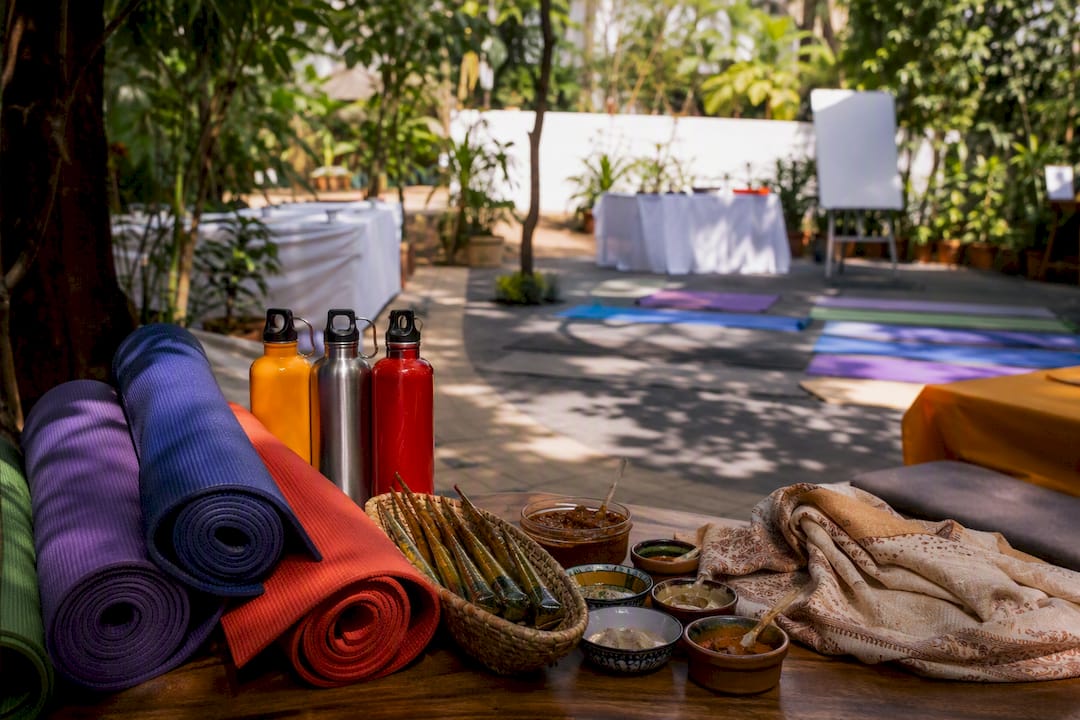
The best employee wellness day ideas mix five ingredients: short movement breaks, low-barrier relaxation, social connection, one practical learning session, and a creative station that doubles as a stress reset. Skip the single expensive keynote. Skip the mandatory 5K. The data on workplace wellness consistently favors simple, accessible activities over elaborate ones because low effort equals high turnout.
If you need something to schedule by Friday, start here:
A guided stretch or chair yoga session before lunch
A walking club loop around the block, with a virtual “walk and post a photo” option for remote staff
A tech-free lunch hour with no laptops allowed at the table
A 15 minute gratitude circle where teams share one win from the week
A henna or hand art station for a calming, creative break between meetings
Keep entry barriers low. Let people opt into higher intensity versions (a longer run instead of a walk, a full henna design instead of a quick wrist accent) without making the baseline version feel like a consolation prize.
Pro Tip: Announce that every activity has a “two minute version.” People who would never sign up for a 45 minute yoga class will often try a two minute stretch, and that’s the whole point of accessible programming.
Key Takeaways
A wellness day succeeds when it combines low-barrier movement, relaxation, social connection, and one creative or learning station, all measured with a short post-event survey.
Point | Details |
Prioritize low barriers | Simple activities like walking clubs and stretch breaks get higher participation than long, mandatory events. |
Cover all five goals | Mix movement, relaxation, social connection, creativity, and learning into one agenda. |
Plan six to eight weeks out | Survey employees, book vendors, and confirm accessibility before locking the date. |
Measure and report back | Track participation rate and a simple favorability score, then share one concrete follow-up action. |
Add a turnkey creative station | Hennaforfun’s corporate henna workshops give HR a calming, done-for-you option that needs only a table and two chairs. |
Table of Contents
Employee Wellness Day Ideas Grouped by Goal
Most wellness days fail not from lack of budget but from lack of variety. A day packed with five movement activities and nothing else alienates anyone with a bad knee or zero interest in fitness. Build your lineup across five goals, then pick two or three items per category based on your headcount and space.
Relaxation and stress relief
Guided meditation break (10–15 minutes, any quiet room, free to low cost). A short, structured meditation works well as a de-stressor in the middle of a packed schedule, and research on brief mindfulness practices shows measurable calming effects even in sessions under 15 minutes. Run it live with a local instructor or play a recorded track. Accessibility note: offer a seated and lying-down option, and let people keep their eyes open if closed eyes feel unsafe or uncomfortable.
Chair massage station (20–30 minutes per person, small private area, low to premium cost depending on vendor). Popular, but slow throughput. Budget one chair per 15 to 20 attendees or expect a line. Vendors typically charge by the hour, not by the head.
Quiet room or nap pods (all day, a spare conference room, free if you already have the space). Just a dim room, some blankets, and a “do not disturb” sign. Costs nothing beyond staff time to set it up.
One minute breathing exercises woven into meetings (short duration, no space needed, free). These work anywhere and pair well with short wellness icebreakers like a one-word mood check-in at the top of a call. Ideal for teams that can’t step away for a full session.
Movement
Group stretch or chair yoga (a brief session, open floor space or even a large conference room, free to low cost). This is the highest-participation movement activity you can run because it requires no equipment, no changing clothes, and no fitness level.
Walking club or walk-and-talk meetings (15–30 minutes, outdoor path or building loop, free). Convert one recurring meeting into a walking meeting for the day. Remote teams can join a parallel “walk your neighborhood, share a photo” version in Slack or Teams.
Desk stretch stations with printed guides (a few minutes, at each desk, free). Print a one-page stretch guide and leave it at every workstation. Zero coordination required.
Standing or active break challenge (during the workday, open office, free). Track standing breaks or stair climbs on an honor system leaderboard. Team-based versions consistently outperform solo formats for movement challenges because peer pressure is a better motivator than personal willpower.
Social connection
Tech-free lunch (during lunch hour, cafeteria or outdoor space, free). No laptops, no phones on the table. This costs nothing and sends a real signal that your company values presence over productivity theater during the wellness day itself.
Gratitude circle or thank-you notes station (15–20 minutes, any meeting room, free to low cost for supplies). Give people index cards to write a thank-you note to a coworker. Practices built around expressing gratitude have been shown to meaningfully improve mood, and the notes double as a nice keepsake.
Team trivia or a lighthearted competition (brief session, common area, free to low cost). Low stakes, high laughs. Works equally well hybrid with a shared screen and a chat-based buzzer system.
Volunteer or community service block (a few hours, off-site or virtual, low to premium depending on transportation). Packing meal kits or writing cards for a local shelter builds connection while giving back. Remote teams can do a virtual version by donating time to a cause and sharing reflections afterward.
Creativity
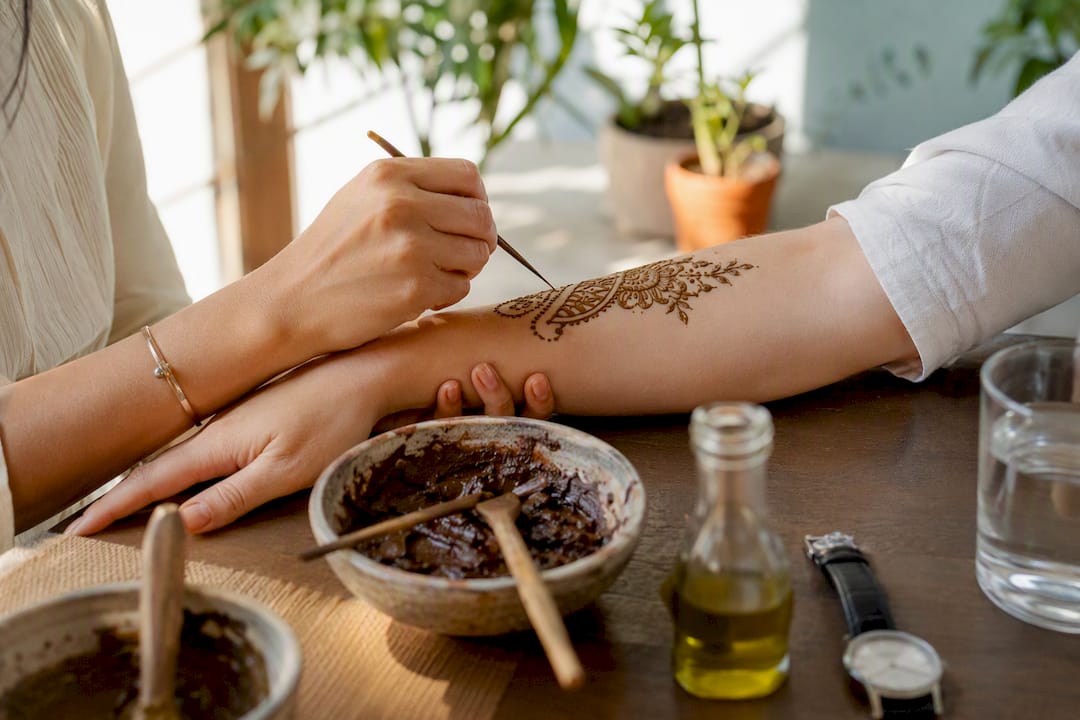
Henna art or hand art station (10–15 minutes per person, a table with two chairs, low to premium depending on artist and group size). A henna station gives people a genuinely calming, low-pressure creative break, and it works for almost every skill level and comfort zone because participants are receiving the art, not performing it. It also naturally paces itself, since only one or two people are served at a time, which keeps a steady but manageable flow through a break room or lobby.
Adult coloring or doodle stations (any duration, shared table, free to low cost for supplies). Print mandala pages or simple line art. No instructor needed.
DIY craft table (a session lasting less than an hour, a table with supplies, low cost). Simple projects like succulent potting or bracelet making give people something to take home.
Learning and skill-building
Financial wellness lunch-and-learn (a brief session, any conference room or virtual, free to low cost). Bring in a benefits partner or HR staffer to cover retirement basics or budgeting. These work well as a private, individual format rather than a public challenge, since money topics feel personal.
Mindful eating workshop (a short session, break room or cafeteria, free to low cost). A short session on mindful eating practices can help employees slow down during a hectic day and reduce the stress-snacking cycle that hits afternoon shifts hardest.
Sleep hygiene or resilience talk (a short talk, any room, free if led internally). Pair with a simple handout on screen time and wind-down routines.
Skill-share sessions led by employees (a brief session, any room, free). Ask a few employees to teach something they’re good at, whether that’s a stretching routine, a budgeting spreadsheet trick, or a basic henna pattern.
Wellness Day Ideas by Budget Tier
Budget shouldn’t determine whether your wellness day feels generous. A free tier covers desk stretch guides, walking clubs, gratitude circles, tech-free lunches, and employee-led skill shares, all of which need staff time but no outside spend.
A low-cost tier (roughly $5 to $25 per employee) covers printed materials, simple craft supplies, snack stations, and a single instructor-led class for a group. A premium tier ($25 to $75+ per employee) covers chair massage, a professional henna artist, catered healthy lunch, or an external wellness speaker.
Here’s what to expect vendors to charge:
Instructor-led fitness or yoga class: often billed hourly for the group, not per head
Chair massage station: typically billed hourly per practitioner, with one chair covering 15 to 20 people over that hour
External workshop or speaker (financial wellness, resilience, nutrition): flat session fee, usually scaled by group size and session length
Creative station like henna or craft-led activities: usually priced by hour or by head count, with group bookings getting a better per-person rate
To stretch a tight budget, tap internal talent first. A worksite wellness approach built on walking clubs and lunch-and-learns costs almost nothing and still moves the needle on participation, because the barrier to entry is what drives attendance, not the price tag.
Running a Virtual or Hybrid Wellness Day
Remote employees get left out of most wellness days, and it shows in engagement numbers. The fix isn’t a bigger budget. It’s better logistics.
Before the day, confirm your video platform supports breakout rooms, decide which sessions get recorded for people in different time zones, and mail small kits ahead of time (tea, a stretch band, a mini coloring book, or a small henna cone with a simple stencil) so remote employees have something physical to hold during live sessions.
During the day, keep live sessions short (15 to 20 minutes) and offer asynchronous alternatives, like a recorded stretch video or a Slack channel for sharing gratitude notes on your own schedule. The most effective programs treat hybrid-friendly formats like mailed kits and recordings as core features, not afterthoughts.
Mailing kit checklist:
One low-cost physical item tied to a live activity (stretch band, tea bag, craft supply)
A printed or QR-linked instruction card
A note flagging any allergens or materials (nuts in a snack, dye in a craft kit)
Pro Tip: Ship kits a week early and send a reminder two days before the event. Kits that arrive the morning of the wellness day almost always miss the live session they were meant to support.
Sample Wellness Day Schedules
Pick a half-day format for a lighter lift or a full-day format when leadership wants a bigger cultural moment. Both work in-person or hybrid with minor adjustments.
Assign a host to run the welcome and closing, a volunteer lead for check-in and signage, a vendor contact responsible for arrival confirmations, and an AV lead if any session streams to remote staff. Have a rain backup for outdoor pieces (move the walking club indoors, swap it for a stair-climb challenge) and a no-show plan for vendor-led sessions (a backup employee-led activity on standby).
A short calendar invite line works better than a long one: “Join us for [Wellness Day] — stretch, connect, and unwind. Optional sessions all day, drop in anytime.”
Planning Checklist and Timeline for a Wellness Day
Six to eight weeks out, send a short employee survey asking what activities people actually want, then secure leadership buy-in and a budget range. Book vendors and reserve space four to six weeks out, since instructors and henna artists often fill their calendars during peak spring and fall wellness seasons.
6–8 weeks out: Survey employees, pitch the concept and budget to leadership, pick a date that avoids major deadlines.
4–6 weeks out: Book vendors, reserve rooms or outdoor space, confirm accessibility needs (elevator access, seating, quiet rooms).
2–3 weeks out: Send the first invite, open RSVPs, order supplies and any mailed kits for remote staff.
1 week out: Send a reminder, confirm vendor arrival times, print signage and schedules.
Day of: Run check-in, brief volunteers, monitor the schedule, and troubleshoot no-shows.
1 week after: Send the survey, share a summary with leadership, and log what worked for next time.
Day-of logistics matter more than people expect. Post clear signage at every station, run a simple check-in table (a clipboard or QR code sign-in works fine), and assign one volunteer coordinator who isn’t running a station themselves, so someone is always free to solve problems.
Cover liability before the day. Confirm vendor insurance certificates, especially for anything involving physical contact like massage or henna application, and have participants sign a basic waiver for activities carrying any physical risk. NC State’s guidance on institutional wellness days notes that participation should stay voluntary and may need manager approval to keep operational coverage intact, so build that flexibility into your invite language from the start.
Promoting the Wellness Day and Boosting Turnout
A great lineup with low turnout is still a failure. Send the first invite three weeks out with a subject line like “You’re invited: a whole day to recharge” and a second reminder the week of with “Tomorrow: stretch, connect, unwind.” Keep the body short: what, when, where, and one line naming two or three headline activities.
Make signup effortless. A one-field RSVP form (name, session picks, dietary or accessibility notes) removes friction better than a multi-page questionnaire.
Have at least one leader visibly attend and post about it afterward
Turn one activity into a light team challenge with a shared goal, not a ranked leaderboard
Recognize participation publicly (a shoutout in the next team meeting) instead of offering a cash prize
Keep incentives small and optional, like a raffle entry for showing up
Pro Tip: Leadership showing up matters more than the prize table. Visible participation from managers consistently drives higher turnout than any incentive HR can offer, according to research on workplace wellness challenge design.
Measuring Impact After the Wellness Day
Send a short survey within 48 hours while the day is still fresh. Ask three or four Likert-scale questions (1 to 5) covering enjoyment, perceived usefulness, and likelihood to attend again, plus one open text field for suggestions.
Track participation rate against total headcount, a simple favorability score from your survey, and a few direct quotes you can share with leadership. Workplace interventions that pair activities with basic tracking tend to show measurable shifts in health behavior over time, which is the argument you want on record when budget season comes around.
Metric | What to Track |
Participation rate | Percentage of employees who attended at least one session |
Favorability score | Average survey rating on enjoyment and usefulness (1 to 5 scale) |
Qualitative feedback | Two or three direct quotes worth sharing with leadership |
Follow-up actions | Specific changes made for the next event based on feedback |
Present results in one paragraph: attendance numbers, the favorability score, a quote or two, and one concrete change planned for next time. That format reads fast and lands well in a leadership deck.
Accessibility, Safety, and Inclusion Checklist
Run this list before you finalize any activity:
Confirm physical access (elevators, seating, room width) for every station
Offer a low-sensory alternative for anyone who finds crowded or loud activities overwhelming
Label all food clearly with allergens and confirm vendor insurance and waivers in writing
Build a simple illness policy line into your invite (“please stay home if unwell, sessions will be recorded”)
Make any wellbeing data collection (surveys, health screenings) explicitly opt-in
Physical accessibility comes first: check every room and station for step-free access.
Offer quiet, low-stimulation alternatives alongside any high-energy activity.
Get insurance certificates and signed waivers from every outside vendor before the day.
Running a Corporate Henna Workshop as a Calming Creative Station
A henna station is one of the easiest premium activities to run well, because it needs almost no employee prep and gives every participant a personal, tangible result. A typical 45 to 60 minute session breaks into five stages: 5 minutes of setup and table arrangement, a 5 minute welcome and quick demo, 30 to 40 minutes of one-on-one application time (roughly one person every 10 to 15 minutes per artist), and 5 to 10 minutes of cleanup and drying instructions.
Hygiene matters here. Ask any vendor to confirm they use natural henna paste, not the black henna variants that contain chemical additives linked to skin reactions, and set up a small hand-washing or sanitizing station nearby. A quick patch-test option for anyone with sensitive skin is worth offering, especially for a first-time corporate group.
For remote or hybrid teams, mail small DIY henna kits ahead of time and pair them with a short recorded demo so distributed employees can follow along on their own schedule.
Pro Tip: Book the henna artist for the slowest part of your afternoon, not the busiest. A steady trickle of one or two people at a time works far better than a rush right after lunch.
What I’ve Learned Running Wellness Events
The single biggest predictor of a good wellness day isn’t budget. It’s whether a manager shows up and actually participates instead of hovering near the door with a laptop. I’ve watched a free walking club outperform an expensive massage table simply because the department head walked the whole loop and talked to people.
The other lesson: momentum dies without a follow-up touch. Send the recap, name one change you’re making, and mention it again at the next all-hands. A wellness day people forget by Monday wasn’t worth the planning hours.
Book a Turnkey Creative Station for Your Next Wellness Day
If henna sounds like the right creative anchor for your event but you’d rather not train an internal team on hygiene protocols and design pacing, Hennaforfun runs the whole station for you. Instead of coordinating a separate massage vendor, a craft supplier, and a hygiene checklist yourself, you book one artist who handles setup, natural henna materials, and cleanup as a single line item.
Corporate groups typically book four to six weeks out to lock in a preferred date, and the space requirement is simple: one table, two chairs, and access to a sink or hand sanitizer nearby. Fees scale with group size and session length, similar to any hourly instructor booking. Check available dates and request a quote through Hennaforfun’s corporate workshop page to see if your wellness day date is still open.
Sources
A few sources are worth bookmarking as you build your program. The Florida Department of Health’s worksite wellness guidance is a solid starting point for low-barrier activity ideas. Ohio University’s Healthy Ohio program offers quick activities that fit inside existing meetings. NC State’s HR News shows how a university approaches institutional wellness days. The CDC’s review of workplace wellness evidence backs up why measurement matters, and Harvard’s mindful eating resource is a credible reference for any nutrition-focused session.
Recommended
Comments