One Favor Guests Keep: Eco Friendly Party Favors That Entertain

The most eco-friendly party favor is a single meaningful item every guest will actually use, eat, or plant, not a bag stuffed with five cheap trinkets. Fewer, better favors beat volume every time. Shared experiences, edible treats, and durable reusables outperform anything single-use, and whatever you send home needs a clear label telling guests how to use it, plant it, or dispose of it in their own local system.
TL;DR:
Reusable items like cloth napkins and tote bags last for years and should avoid date-specific personalization to ensure continued use.
Edible favors cost less than traditional trinkets, produce no waste, and are consumed quickly, making them a practical eco-friendly option.
Plantable favors require regionally appropriate seeds with clear instructions to avoid failure, especially for urban or yard-less guests.
Packaging must be carefully selected to prevent hidden plastics or laminated finishes that undermine sustainability claims.
Collapsing activity stations into favors, such as planting or decorating, provides entertainment and keeps waste minimal.
Table of Contents
Eco Friendly Party Favors That Guests Actually Keep
Forget the plastic-wrapped grab bag. The categories below cover almost every situation a host runs into, from a five-year-old’s birthday to a baby shower to a corporate holiday party.
Reusable items top the list because they get used long after the party ends. Cloth napkins, bamboo cutlery sets, small glass jars, and canvas tote bags all qualify, but only if you pick sizes and designs people will keep. A Greenvelope party favors overview makes a point worth repeating: skip the date-stamped, heavily personalized version. A tote that says “Sarah’s 40th, March 2026” gets shoved in a closet. A plain, well-made tote gets used for groceries for the next decade.
Edible favors solve the waste problem differently. They disappear entirely, which means there’s no long-term object to track, store, or eventually throw away. Single-portion baked goods wrapped in paper, a bulk treat station where guests fill their own small bags, or homemade spice mixes packaged without plastic all work. This is also where budget-conscious hosts win big. A jar of granola or a bag of kettle corn costs less per guest than most novelty trinkets, and nobody complains about food.

Plantable favors carry real appeal, especially for spring and summer events. Seed packets or seed paper let guests grow something after the party, but they only work when the seeds are appropriate for the region and the instructions are clear. More on the specifics of doing this correctly is a few sections down, because this category has the highest failure rate of any favor type.
Craft and activity favors solve two problems in one move: they entertain guests during the party and send them home with something they made. Decorate-your-own cookie kits, small woodworking projects, and make-and-take jewelry stations all fall in this category. Instead of buying a favor, you’re buying materials for an activity, and the “favor” is just whatever the guest builds.
Books and swaps rarely get mentioned, but they solve waste at the source. Instead of a new plastic toy per kid, host a book swap table where each guest brings one paperback and leaves with a different one. According to a roundup of alternatives to traditional party bags from PartyKit Network, books and secondhand items consistently rank among the most budget-friendly, lowest-waste options available, because nothing new gets manufactured for the event at all.
Category | Best for | Life span |
Reusable (napkins, jars, totes) | Adult parties, weddings | Years |
Edible (baked goods, treat stations) | Kids and adult parties | Consumed same day/week |
Plantable (native seed packets) | Spring/summer events | Weeks to months, if grown correctly |
Craft/activity kits | Kids parties, showers | Hours (as activity) then keepsake |
Books/swap table | Any age | Passed on indefinitely |
Pro Tip: Pick one category and commit. Mixing three favor types per guest doubles your packaging and your cost without doubling anyone’s enjoyment.
Turning the Favor Into the Entertainment
The smartest move a host can make is collapsing “party activity” and “party favor” into one station. Guests get entertained, then walk away with the proof.
Set up a planting station. Small terracotta or biodegradable pots, a bag of potting soil, and labeled seed packets let each guest plant their own take-home pot during the party instead of unwrapping a pre-made one.
Run a decorate-your-own station instead of a pre-made favor line. Plain cookies with icing, or plain tote bags with fabric markers, turn a purchase into an experience.
Pre-count every kit before guests arrive. Counting RSVPs and prepping exact quantities the night before avoids the classic problem of running twelve short or twenty over.
Skip plastic supplies at the activity table. Paper cups for soil, wooden craft sticks, and fabric or paper packaging keep the whole station consistent with the “less waste” goal you started with.
Assign one adult per table. A planting or craft station runs smoother, faster, and with less mess when someone is dedicated to guiding it rather than floating between tables.
Age matters here. Younger kids do best with simple, one-step crafts: coloring a canvas bag, planting one seed in one cup. Older kids and adults can handle more, like a small tool kit for a birdhouse build or, for a milestone event, a henna-decorated bookmark made on-site as a keepsake that doubles as the activity itself.
Pro Tip: Test the activity yourself before the party. If a “quick” craft takes you eleven minutes solo, it will take a table of six-year-olds forty.
Choosing Seeds and Seed Paper the Right Way
Plantable favors go wrong more often than any other category on this list, usually because the seeds inside are wrong for the region. A generic “wildflower mix” sold at a big box store often contains species that aren’t native to your guests’ area, and some can crowd out local plants entirely.
Buy locally appropriate native seed mixes or single-species packets instead of a generic blend. The Xerces Society’s meadow establishment guidelines recommend checking for scientific names on any seed packet, not just the common name, since two plants can share a common name while one is native and one is invasive.
Every seed favor needs an instruction card with:
Common name and scientific name of the plant
The correct planting window for the guest’s climate zone
Soil, light, and watering requirements
A short caution against scattering seeds in wild or natural areas without knowing what’s already growing there
Set realistic expectations, too. Germination rates vary, blooming can take a full season, and a seed favor that never gets planted is functionally the same as trash. If your guest list skews toward apartment dwellers with no yard access, a reusable or edible favor almost always beats a seed packet nobody has anywhere to plant.
Skipping the Greenwashing Trap on Packaging
A favor can look sustainable and still fail the test the moment you check what’s actually holding it together. Go through every component: the outer wrap, any inner sleeve, the tag, and the adhesive used to attach it. Plastic-lined paper, laminated tags, and glossy inserts sneak into “eco” packaging constantly, and they quietly undo the whole effort.
Word choice matters legally, not just ethically. The FTC’s Green Guides require any environmental claim on packaging or labels to be qualified, not just stated. Slapping “compostable” on a tag without specifying home versus municipal composting can be a deceptive claim, because the two systems handle materials completely differently.
A few habits fix most of this:
Remove clear plastic windows, laminated finishes, and glossy coated tags entirely.
If you write “compostable,” specify home compostable or industrial/municipal compostable, since recycling and composting infrastructure varies significantly by region.
Use one instruction card per household or table instead of a printed insert in every single favor.
The EPA’s recycling toolkit puts source reduction and reuse ahead of recycling and composting for a reason: a favor that never needed packaging in the first place beats one with a perfectly labeled compostable wrapper.
The Low-Waste Party Prep Checklist
Run through this before you order or make a single favor:
Count RSVPs, then buy to that number. Add a small buffer only if the guest list is genuinely uncertain, not as a default habit.
Pick one favor format per guest. One consumable or one reusable item, never a mixed bag of three small plastic-wrapped pieces.
Set up labeled bins at the event. Compost, recycling, and trash, each with a plain card explaining what belongs where, based on your local municipality’s actual rules.
Match the favor to the venue. A planting station makes sense outdoors with soil access; it makes no sense in a rented banquet hall with no yard in sight.
How Henna For Fun Puts This Into Practice
At Whenna Events, the take-home favor is usually the art itself: a handmade henna design that fades naturally over one to three weeks, leaving nothing to throw away. When guests want something more permanent, handmade henna bookmarks work as a small, reusable keepsake instead of a plastic trinket. Hennaforfun sizes favors to headcount ahead of time, skips heavy date-stamped personalization on anything meant to be reused, and relies on reusable serving trays and applicator holders instead of disposable display ware at every booking.
Why the Celebration Itself Is Often the Better Favor

Most hosts assume more favors show more appreciation. The opposite is usually true. A shared experience, whether it’s a henna station, a planting activity, or a communal treat table, tends to produce less material waste than five separate trinkets, because the “stuff” gets replaced by a memory that doesn’t end up in a landfill six months later.
That said, sustainability shouldn’t come at the cost of guest delight. A perfectly biodegradable favor nobody enjoys is still a wasted purchase. The real skill is picking one favor, whether edible, reusable, or experiential, that actually fits how your specific guests live. A room full of apartment dwellers doesn’t need seed packets. A room full of gardeners might love them.
— Angana
A Lower-Waste Way to Celebrate With Hennaforfun
Hennaforfun replaces the disposable goodie bag with an experience that IS the favor, so there’s nothing extra to buy, wrap, or throw away later.
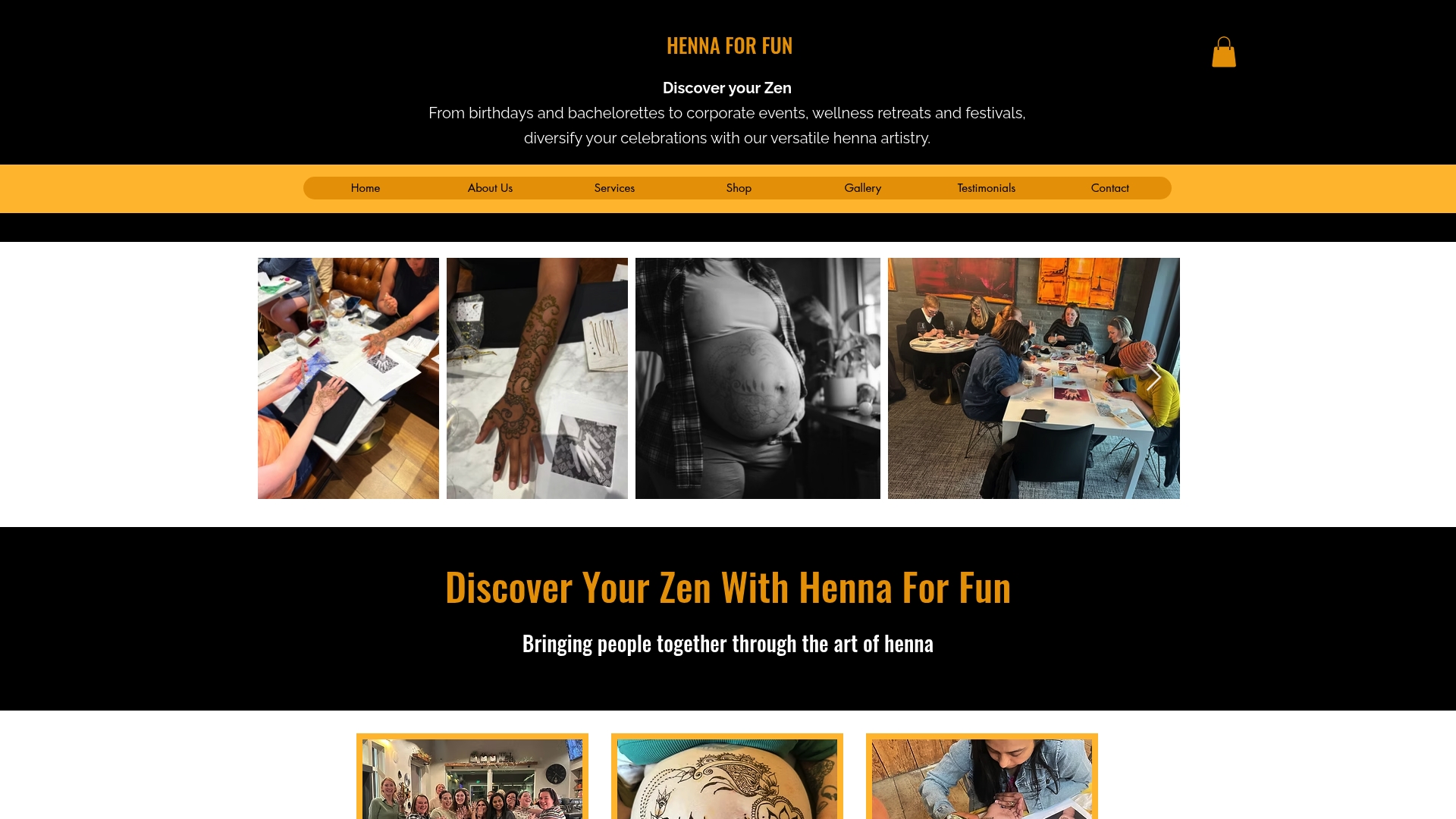
Instead of shopping for trinkets nobody keeps, a Whenna Event turns the party itself into the takeaway: guests leave with a henna design they’ll wear for days, not a bag they’ll toss by Monday. For hosts who want a small physical keepsake too, handmade henna bookmarks or a DIY henna kit make reusable, low-waste alternatives to anything plastic-wrapped. Pricing runs from $25 per participant for the Basic package up to $200 for Premium Option 2, with an $85 hourly add-on if the celebration runs long, all detailed on the Whenna Events page. If you’re planning a birthday, shower, or team event and want the favor built into the fun instead of bagged separately, check available dates and get a quote through Hennaforfun today.
Where to Learn More
For guidance beyond this article, the EPA’s recycling and materials management resources cover source reduction and reuse. The FTC Green Guides explain how to label environmental claims accurately. The Xerces Society offers region-specific seed selection guidance.
Sources
FAQ
What should go in an eco-friendly party bag?
Skip the plastic novelty items and choose one useful thing: a small reusable item like a bamboo utensil set, an edible treat wrapped in paper, or a seed packet with clear planting instructions. One thoughtful item per guest beats a bag of five cheap pieces, and it produces far less packaging waste overall.
What party favors avoid feeling like junk to kids?
Kids respond well to anything they helped make, like a decorated cookie, a planted seed cup, or a craft finished at an activity table. Activity-based favors work because the entertainment and the takeaway are the same thing, so nothing feels like filler.
What can I give instead of goodie bags?
Books, a book-swap table, edible treats, plantable seed packets, and shared activities like a henna station all work as alternatives to a traditional goodie bag. Hennaforfun’s Whenna Events build this directly into the party format, so the experience itself replaces the bag.
Does Dollar Tree carry eco-friendly party favors?
Most discount-store party favors are made from thin, non-recyclable plastic designed for a single use, which works against the goal of reducing waste. A locally sourced edible treat, a native seed packet, or a small reusable item is almost always the better swap, even at a similar price point.
Recommended
Comments