Pick 3 Stations: Diwali Party Activities That Keep Guests Engaged

For a balanced Diwali party, combine ambient diya lighting and a rangoli display with one hands-on station, henna or diya decorating, plus one social game like Tambola or Diwali trivia and a mithai tasting table. Pick three: one decor or ceremony moment, one hands-on station, one group game. That mix scales from a living room to a corporate lobby without turning into a scheduling headache.
TL;DR:
Rangoli stations are low prep and ideal for families and kids, especially when using simple materials like chalk or flower petals.
Conducting a diya lighting ceremony takes only about 10 minutes and suits any group, including office events, with minimal setup.
Multiple activity zones, including crafts, henna, and games, should be carefully mapped and rotated to prevent chaos during larger gatherings.
Children’s activities like diya painting and treasure hunts are quick, low-mess, and give them souvenirs to take home, keeping them engaged.
Safety precautions for diyas and fireworks are crucial, requiring proper placement, supervision, and verification of local fire rules before lighting any explosives.
Table of Contents
Diwali Party Activities Ranked by Guest Fit
Not every activity works for every crowd, and matching the activity to the room saves you from planning something nobody touches. Here’s a shortlist organized by whom each one actually suits, plus how much prep it demands.
Rangoli station (low prep): Chalk, colored rice, or flower petals at the entrance. Great for families and kids working together.
Diya lighting ceremony (low prep): A quiet 10-minute ritual moment that works for every group, including office events.
Henna/mehndi station (medium to high prep): Best for adults and teens; a professional artist removes the guesswork.
Tambola/Housie (medium prep): Universally loved across ages; needs printed cards and small prizes.
Antakshari song battle (low prep): Ideal for mixed-age family gatherings with any Bollywood fans in the room.
Diwali trivia or Bollywood song-guess (low prep): Strong fit for office parties and friend groups who want quick competition.
Kids’ craft corner (medium prep): Diya painting or paper lanterns keep children occupied while adults socialize.
Mithai and snack tasting table (low to medium prep): Works everywhere; doubles as a conversation starter.
Charity or donation box (low prep): A small giving element that honors the festival’s spirit of generosity, as cultural groups like the Smithsonian’s Asia Society often recommend.
Sparklers or fireworks (high prep, situational): Fun for backyard gatherings, but only after confirming local rules.
That last one comes with a real caveat. Local fireworks laws vary block by block, so verify before you buy anything that lights up outdoors.
How to Set Up Multiple Activity Stations Without Chaos
Running four activities at once only works if you treat the party like zones instead of one continuous event. Split your space into a food zone, a craft or henna zone, a games zone, and a quiet photo corner, then let guests move between them on their own.
Map the layout first. Keep the henna station near seating and away from foot traffic; put games in the loudest corner.
Stock each zone before doors open. Henna needs a stool, wipes, and good lighting; crafts need trays to catch mess; games need pens and cards.
Assign one point person per station. A friend or teenager can run a 20-minute rotation without needing constant direction.
Cap each activity window at 15 to 25 minutes so no single station monopolizes the evening, an approach event planners recommend for reducing host workload.
Keep one wheelchair-accessible path and hand sanitizer at food and henna stations.
Pro Tip: Give each station a small sign with a start and end time. Guests self-regulate rotation far better when they can see the clock instead of waiting for an announcement.
Kid-Friendly Crafts and Games for Diwali
Children lose interest fast, so the best kids’ activities are short, low-mess, and finish with something they can take home. A treasure hunt themed around finding “diyas” hidden around the house works for ages 5 and up with light supervision.
Diya painting: Unglazed clay diyas plus acrylic paint; ages 4+, one adult per 4 to 5 kids.
Sticker or stencil rangoli: A mess-free alternative to powder rangoli for toddlers.
Paper lantern folding: Simple origami-style lanterns for ages 6+.
Diwali treasure hunt: Hide small diya or sweet-shaped tokens; works for mixed ages 5 to 12.
Storytelling corner: A short retelling of the Ramayana or Diwali origin story, best with a puppet or shadow-light setup for younger kids.
Prep ahead: buy paint and diyas in bulk, and pre-cut lantern paper so setup takes minutes, not an hour.
Games for Adults and Office Diwali Celebrations
Adults and coworkers want something competitive but low-commitment, which is why quick-round games outperform anything that takes 40 minutes to explain. Traditional card games and song rounds remain reliable favorites, according to Diwali party planning coverage, and they translate easily to office settings with a few tweaks.
Tambola/Housie (15 to 20 minutes): Classic bingo-style game with small prizes; works in person or over video call with digital cards.
Antakshari (10 to 15 minutes): Teams sing Bollywood songs starting with the last syllable of the previous song.
Diwali trivia (5 to 10 minutes): Quick questions on festival history and traditions; great icebreaker for coworkers.
Bollywood song-guess (10 minutes): Play short clips and award points for the fastest correct guess.
Guess-the-mithai blind taste test (10 minutes): Blindfolded guests identify sweets by taste alone.
Start with soft background music, then shift to livelier tracks once games begin. That pacing keeps energy building through the evening instead of peaking too early. For virtual office parties, swap physical cards for shared screens and keep every round under 10 minutes.
Running a Henna Station Guests Actually Remember
A henna station turns waiting time into the activity people talk about days later. Quick finger or wrist motifs take 2 to 10 minutes per guest, while detailed full-hand mehndi runs 20 to 40 minutes or more, so plan your guest count against that math before booking anyone.
Set up near natural light with a stool, armrest, and a drying fan nearby.
Offer a minimalist or pregnancy-friendly design option for guests who want something simple or who are expecting.
Aftercare is simple: let the paste dry fully, avoid water for a few hours, and moisturize once it flakes off for a darker stain.
For 15 or more guests, book a professional; for smaller gatherings, DIY henna cones or stencils can work.
Henna For Fun runs Whenna Events at homes, wineries, and offices, and also offers corporate workshops and pregnancy henna sessions for guests celebrating a baby shower alongside Diwali.
Pro Tip: If you’re hiring one artist for a party of 25 or more, budget two to three hours minimum for quick designs, and let guests sign up for time slots so nobody stands in line.

Safety Rules for Diyas, Candles, and Fireworks
Diyas are beautiful and genuinely risky when placed carelessly. Keep every diya on a noncombustible surface, away from curtains, loose scarves, or synthetic clothing, and never leave one burning unattended near a walkway.
A multi-year burn-center review found that diya-related burns account for a substantial share of Diwali burn injuries, with clothing contact and floor-level placement among the most common causes.
Keep a bowl of water or sand within reach of any open flame. For sparklers or fireworks, check your county or city fire rules before buying anything, since burn bans and restricted-firework lists vary by location and season.
A Sample 4-Hour Timeline and Host Checklist
A loose plan beats no plan, especially once guests start arriving at different times. This timeline assumes a 4 to 5 hour evening with 20 to 40 guests.
6:00 to 6:30 PM: Arrival, drinks, and light snacks at the food zone.
6:30 to 7:00 PM: Diya lighting and a short puja or blessing moment.
7:00 to 8:15 PM: Open stations, rangoli, henna, and kids’ crafts running simultaneously.
8:15 to 8:45 PM: One group game, Tambola or trivia, for everyone.
8:45 to 9:30 PM: Dessert, mithai tasting, and wind-down conversation.
Keep a one-page checklist nearby: diyas and matches, paint and craft supplies, henna kit or artist contact, printed game cards, water or sand for fire safety, and one delegated helper per station.
Why Experiential Activities Make Diwali Memorable

The parties people still talk about a year later aren’t the ones with the fanciest decor. They’re the ones where someone got their hand painted while catching up with a cousin, or where an office trivia round turned into genuine laughter between coworkers who never talk outside meetings. Community voices on Diwali consistently point to togetherness, not spectacle, as the thing that sticks.
Scale whatever you plan to your actual guest list, not an ideal one. A dorm room can run a rangoli corner and a card game. A backyard can run all four zones. Adapt the checklist above to your space.
— Angana
Add a Henna Station to Your Diwali Party
Hennaforfun turns the “hands-on station” from a checklist item into the moment guests remember, without you having to source an artist, supplies, or a backup plan yourself. Whenna Events bring a professional henna station to homes, wineries, or offices, with pricing from $25 per participant for Basic designs up to Premium options depending on design complexity and group size.
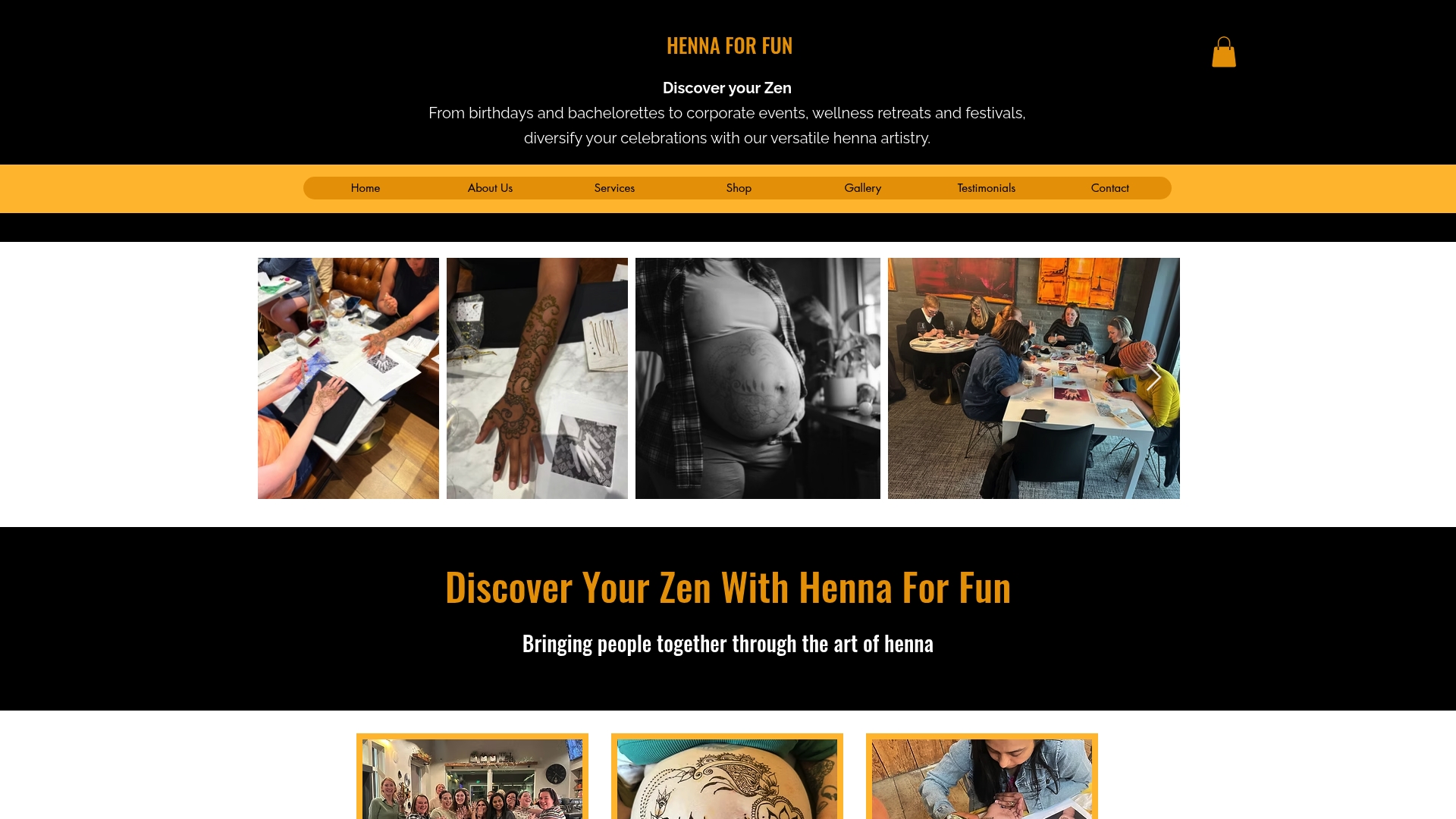
If your Diwali gathering doubles as a baby shower, the pregnancy henna services offer belly henna and maternity photoshoot designs starting at $89. Want to run your own station instead? The 3-day and 5-day henna lessons teach mixing, cone-making, and application basics. For offices planning a Diwali team event, the corporate workshops page covers group booking details. Reach out through the Whenna Events page to check availability for your date.
Sources
FAQ
What activities do people do on Diwali?
Traditional Diwali activities include lighting diyas, making rangoli, playing card games, singing Antakshari, and exchanging sweets and dry fruits, according to common Diwali party traditions. Modern parties add hands-on stations like henna and kids’ crafts alongside these customs.
What are some fun games to play on Diwali?
Tambola, Antakshari, Diwali trivia, and a blind mithai taste test are reliable favorites for mixed-age groups. Each runs 5 to 20 minutes, which keeps energy up without dragging the evening.
How do I throw a Diwali party?
Start with a simple timeline: arrival and snacks, a diya lighting moment, open activity stations, one group game, then dessert. Zone your space into food, craft or henna, and games areas so guests can rotate on their own.
What are some ideas for a Diwali theme party?
Build around light and color: a rangoli entrance, a diya display, warm string lighting, and a photo corner with diaspora-inspired decor pieces work well together, as suggested by guidance on displaying diaspora art thoughtfully at home. Pair that atmosphere with one professional henna station for the activity guests remember most.
How much does a henna station cost for a party?
Hennaforfun’s Whenna Events start from $25 per participant for a basic design, with pricing rising to $35 or more for premium designs depending on complexity. Full pricing details are available on the Whenna Events page.
Recommended
Comments