Matching Couple Henna Designs to Symbolize Your Bond
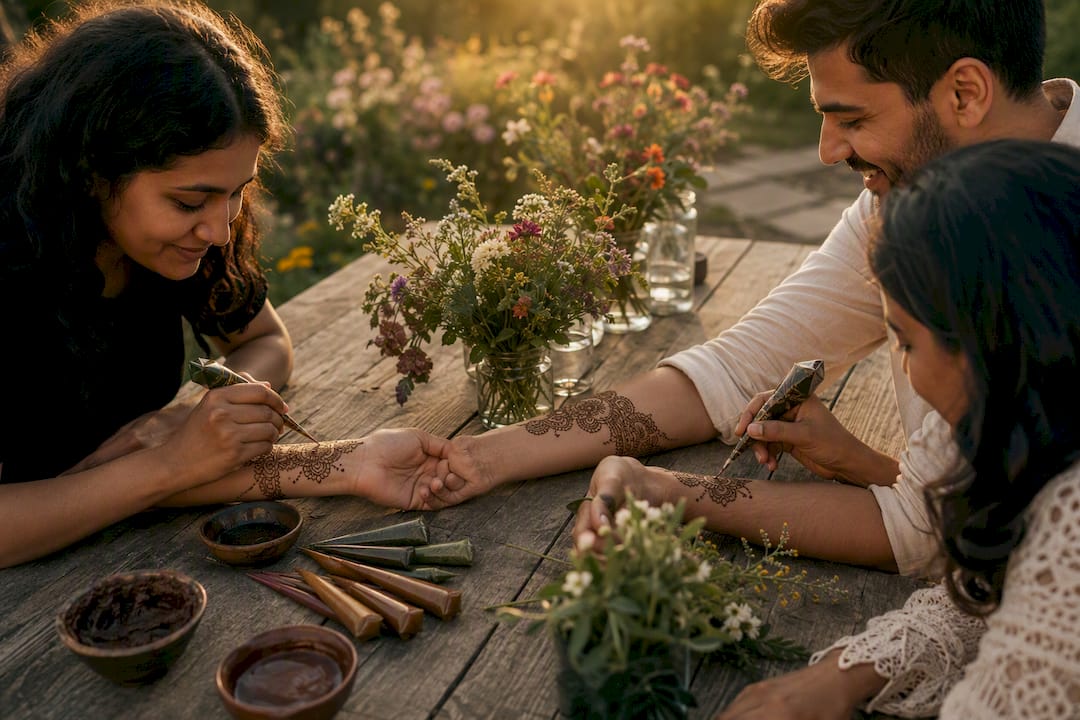
Matching or complementary couple henna designs are the strongest choice for anyone who wants body art that photographs beautifully and actually means something. The range runs from minimalist mirrored linework to full bridal portrait pairings, and this guide walks through 10 curated couple henna ideas, personalization steps, and booking guidance drawn from Henna For Fun’s work with couples. Angana, a henna artist, shares the practical calls that turn a Pinterest board into a design you’ll actually love in the photos.
TL;DR:
Mirrored mandala designs are best on palms or forearms, with personalization featuring shared birth month flowers for a unique touch.
Placement choices like wrists or backs of hands significantly affect how long the henna lasts and how clearly it shows in photos.
Waiting at least 4 to 8 hours for the paste to dry and sealing with a sugar-lemon mix enhances stain darkness and longevity.
Personalization involves bringing clear references, deciding on a layout style, and discussing sketching options with your artist beforehand.
Booking paired sessions with an experienced artist ensures designs are coordinated from the start, with options for DIY kits or learning sessions available.
Table of Contents
10 Matching Couple Henna Design Ideas
Couple henna doesn’t mean identical patterns crammed onto four hands. The best pairings use a shared visual language, then let each partner’s palm carry it differently. Here are 10 approaches that consistently work, whether you’re prepping for a wedding or just want ink that tells your story.
Mirrored mandala pair. One partner gets a mandala centered on the palm, the other gets its inverse on the back of the hand. Best on palms and forearms, best for couples who want symmetry without matching exactly. Personalization prompt: swap in a shared birth month flower at the mandala’s center.
Complementary floral vines. Instead of the same flower twice, one hand carries roses and the other carries the vine that connects them, so the two pieces only make sense side by side. Works well on forearms and backs of hands. Try floral henna templates if you want to sketch this one yourselves first.
Initials hidden in a band. A wristband or bracelet-style design with each partner’s initial worked into the pattern, visible only if you look closely. Best on wrists, ideal for couples who want subtlety over spectacle.
Complementary masculine and feminine motifs. Traditional mehndi often uses bolder geometric lines for one partner and denser floral coverage for the other. This pairing suits couples who want a nod to wedding henna tradition without duplicating the same pattern twice.
Minimalist line-art pairing. Two thin, single-line designs, like a sun on one hand and a moon on the other, sit well on fingers or the top of the hand. Perfect for couples who want something they can wear to work the next day. Browse minimalist henna designs for inspiration.
Matching wrist bands with a twist. Both partners get a bracelet-style band, but one includes a small anchor charm and the other a compass, so the pattern reads as a set. Placement: wrists, for maximum visibility in ring photos.
Portrait or figurative pairing. A small stylized portrait of each partner, or a shared scene like two silhouettes, drawn on the inner forearm. This one is technical. Custom couple portraits require careful layout mapping and shading to avoid crowding fine detail, so it’s worth budgeting extra time with your artist.
Geometric lock and key. One partner wears a keyhole motif, the other a key, connected by a shared border pattern. Works on the back of the hand, and it reads clearly even in a quick phone photo.
Shared interest icons. Two small dogs, a mountain range, a musical note split between two hands. This is the most personal option on the list and works anywhere from the wrist to the ankle.
Full-hand bride with groom palm accents. A traditional bridal full-hand design paired with a smaller, complementary accent design on the groom’s palm, so the pairing feels intentional rather than lopsided.
How to Personalize a Couple Henna Design
Personalization is what separates a generic mehndi pattern from something you’ll want to photograph forever. Artists consistently point to a few habits that make the biggest difference.
Bring 3 to 5 quality reference images and a short list of symbols or shared stories, since collaborative planning with clear references is what separates a personalized design from a copy-paste job.
Decide on your layout style upfront: mirrored for symmetry, complementary for two different but linked designs, or a shared central motif that connects both hands when placed together.
If you’re considering portrait work, ask whether a stylized silhouette or a more realistic likeness fits your skin tone and the amount of sitting time you can commit to.
Pro Tip: Ask your artist to sketch the layout directly on your skin with a washable marker before applying the paste. It takes five extra minutes and saves you from a design that looks great on paper but crowds awkwardly on an actual hand.
Placement and Coordination for Photos
Where you place the design changes both how long it lasts and how it reads in photos.
Palms deliver the boldest, darkest contrast for photos but fade fastest because of hand washing and friction.
Backs of hands and forearms hold color longer, since forearm and hand-back placements typically outlast palm designs, and they show up clearly in ring-shot portraits.
Feet and ankles suit barefoot ceremonies or beach events, while wrist and bracelet bands put rings and bracelets front and center.
Apply henna 24 to 48 hours before your main photos, and coordinate placement with sleeve length, shoe style, and which hand will hold the rings.
Aftercare and Stain-Maximizing Tips
Getting a deep, long-lasting stain is mostly about patience in the first 24 hours, not luck.
Let the paste dry completely, at least 4 to 8 hours, and seal it with a sugar-lemon mix or a natural balm so it doesn’t flake off early.
Skip water and exfoliation for the first full day after removing the paste.
Add gentle warmth, like sitting near a heater or wrapping hands in a scarf, since heat helps the stain develop darker.
Understand that results vary. Henna quality, skin type, and prep all affect the final color, so two people using the same cone can get different results.
Avoid “black henna” containing PPD, and always do a patch test before your event to rule out an allergic reaction.
Cultural note: wedding folklore in several traditions holds that a deeper henna stain signals a happier marriage. There’s no science behind it, but it’s a fun piece of symbolism to share with your artist or your wedding party while you wait for the paste to dry.
Preparing for Your Artist Consultation
A short prep list before you book saves you from surprises on the day.
Bring reference photos, your event timeline, any history of skin sensitivity, your outfit colors, and a short must-have list of motifs.
Ask what’s in the paste, whether trial sessions are available for portrait work, what pricing looks like, and how much experience the artist has with couple or figurative henna specifically.
Coordinate timing so both partners’ sessions happen close together, or consider a combined appointment if you want matching photos of the process itself.
Why Couple Henna Design Still Feels Personal to Me
There’s no fixed template for a “correct” couple henna design, and that’s the part people underestimate. Success comes from personalization and the artist’s own style, not from copying a gallery photo exactly. Henna For Fun builds that philosophy into events like Whenna Events, plus Pregnancy Henna sessions and private lessons for couples who want to learn the craft together. My honest take: mirrored designs photograph better for symmetry lovers, but complementary designs age better as a story you can keep explaining for years.
— Angana
Book Your Couple Henna Experience With Henna For Fun
Henna For Fun turns this whole list into something you can actually book instead of just admiring. Couples get paired sessions where both partners’ designs are planned together from the start, not sketched separately and hoped to match.
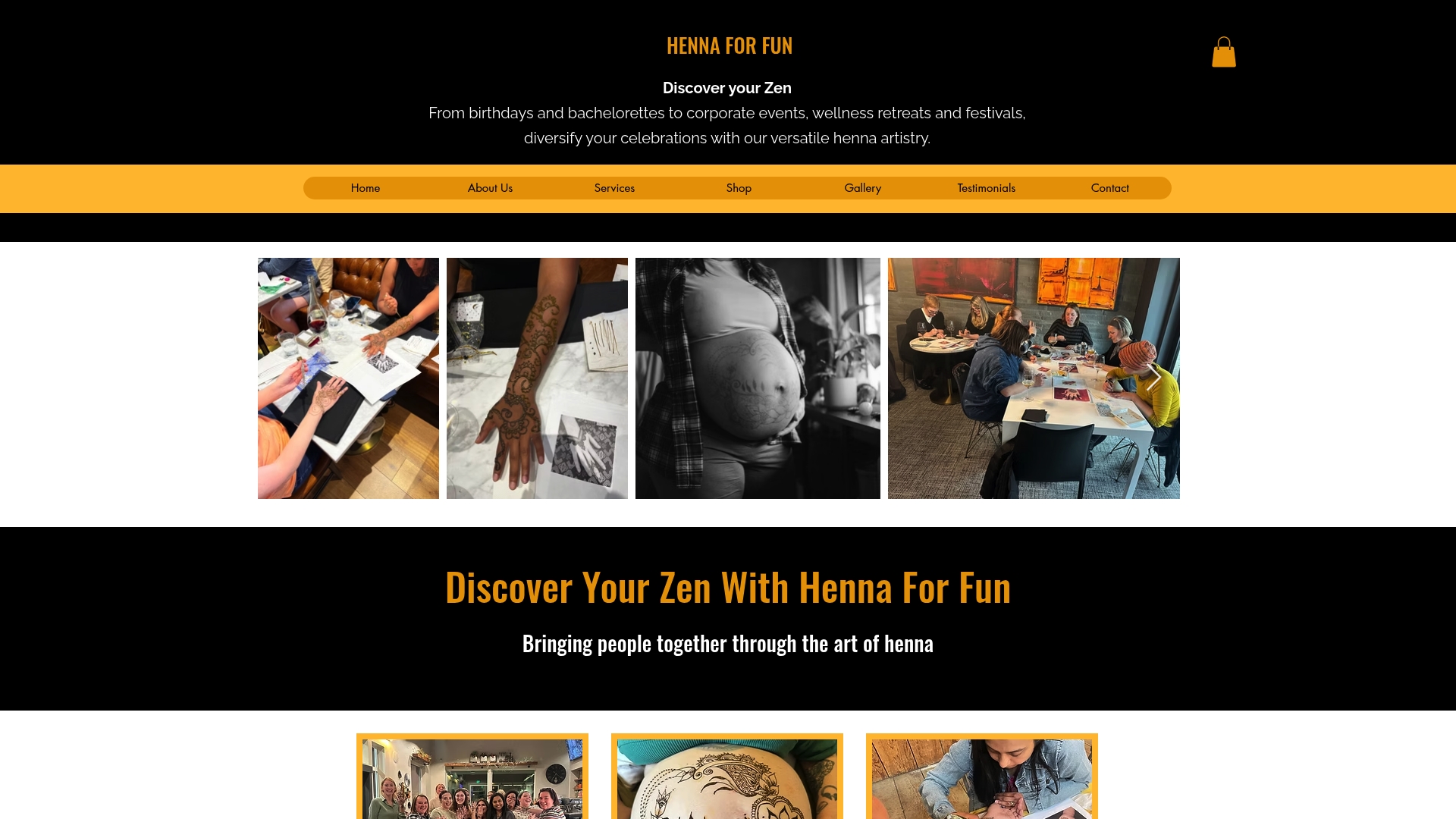
The lineup includes couple appointments, Whenna Events at wineries and private homes, private lessons for couples who want to learn the art themselves, and DIY kits for anyone planning a coordinated look without hiring an artist. If you’re leaning toward the DIY route, a henna stencil or a handmade henna cone gets you most of the way there. Pair your henna appointment with a pre-event skin treatment so the canvas is ready, or add a personalized keepsake that echoes the motifs on your hands. Check the calendar for upcoming events or browse full service details to book a session that fits your timeline.
Sources
Recommended
Comments